The 5th Congress of the Polish Communication Association
“Media Power: People – Organisations – Technologies”
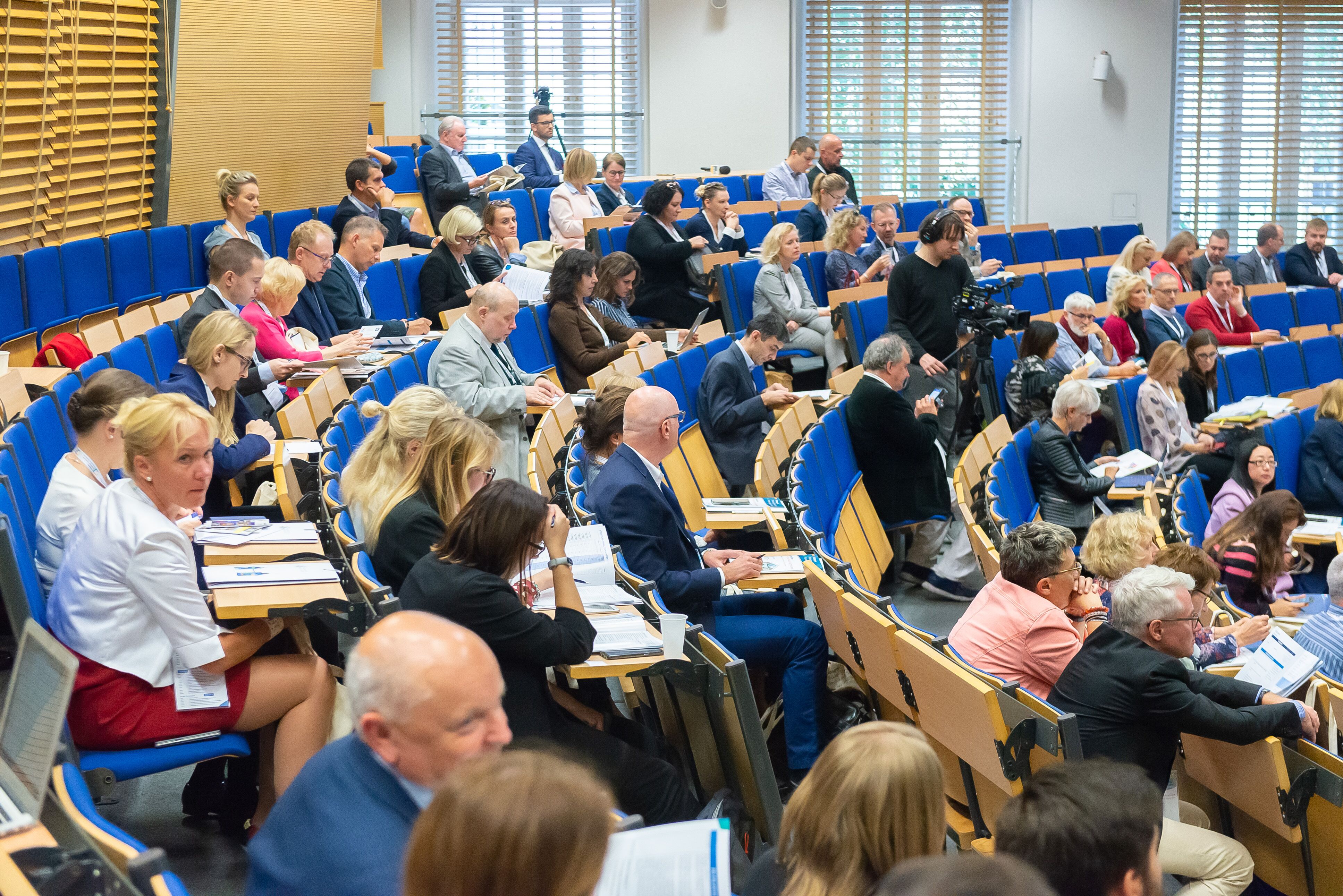
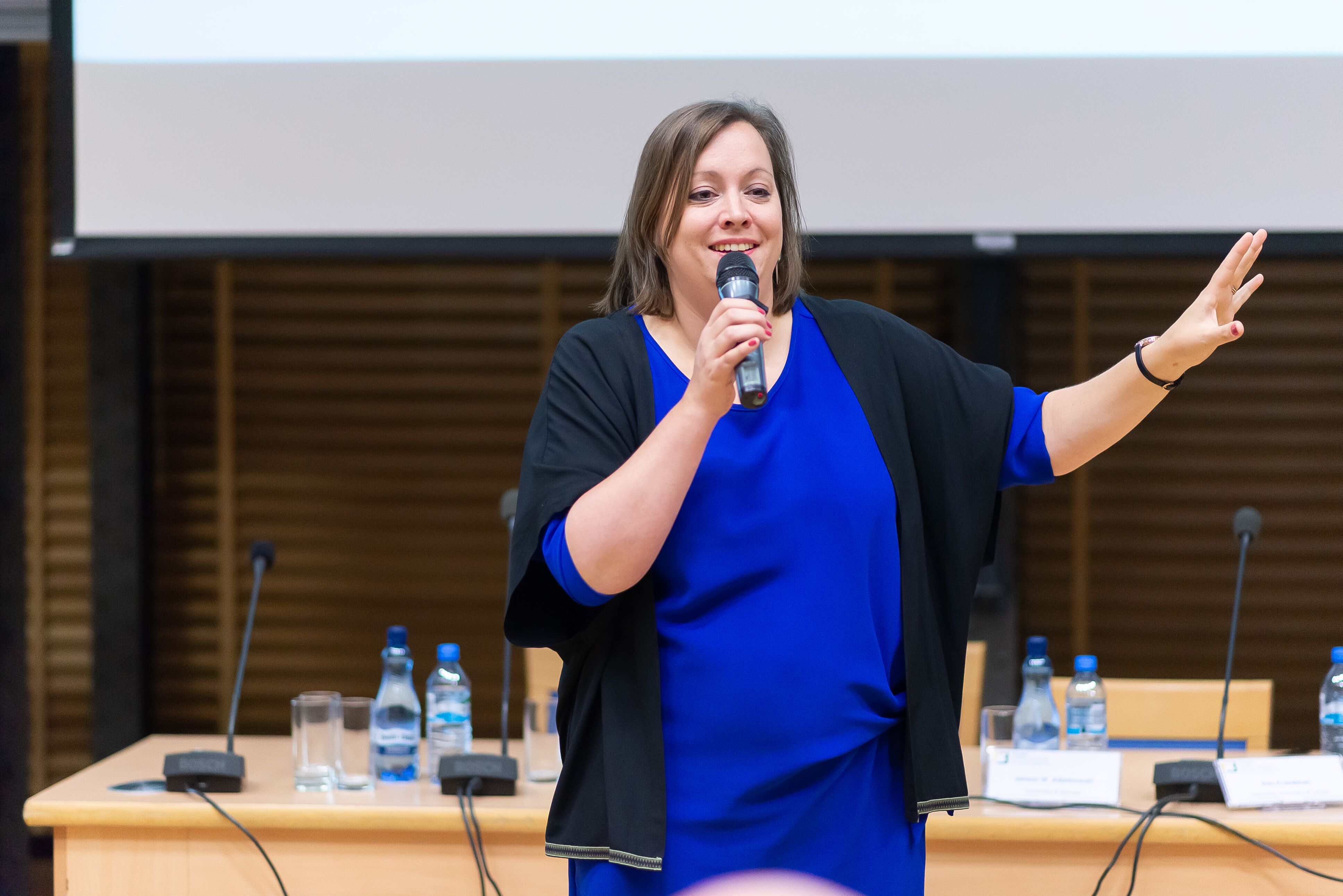
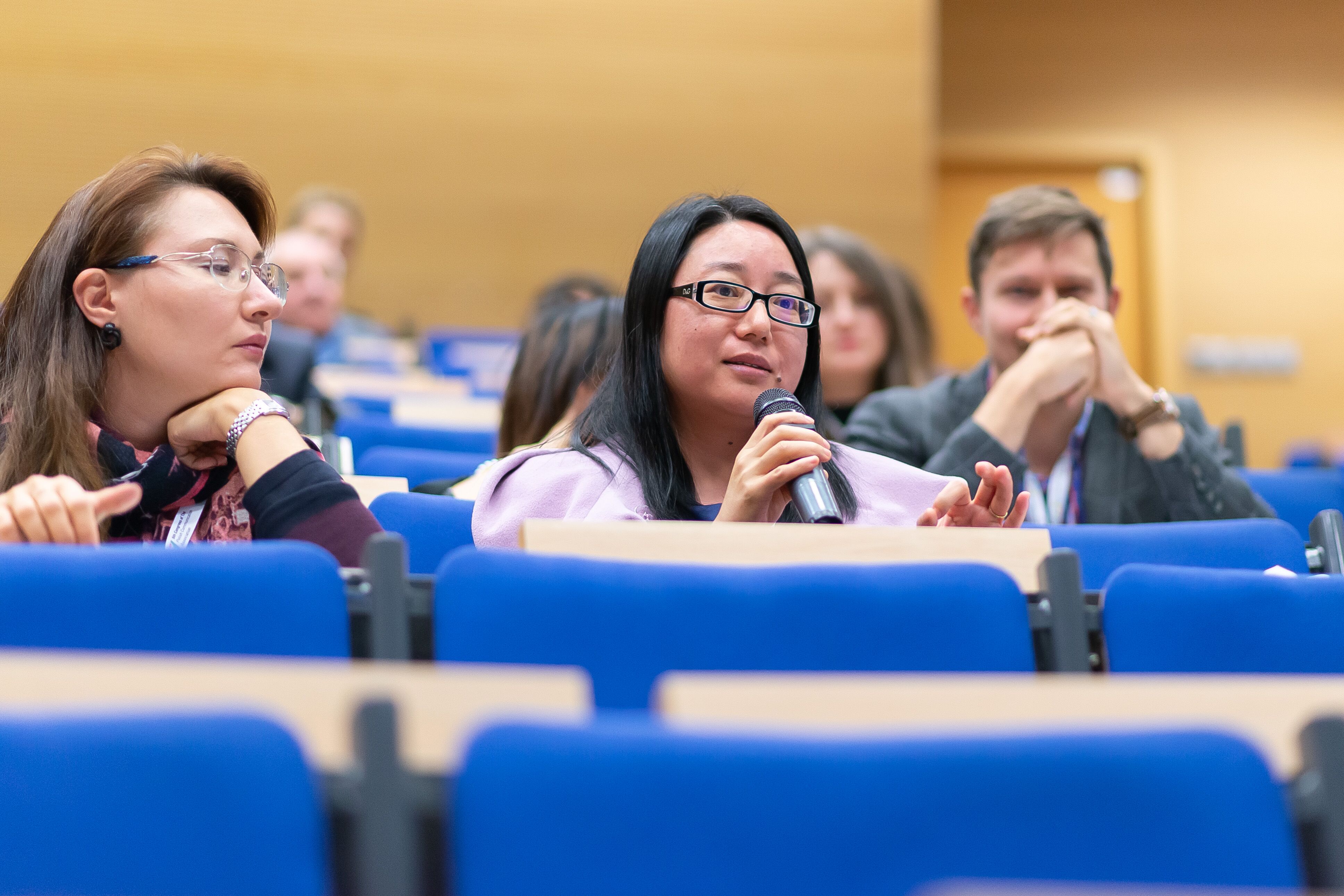
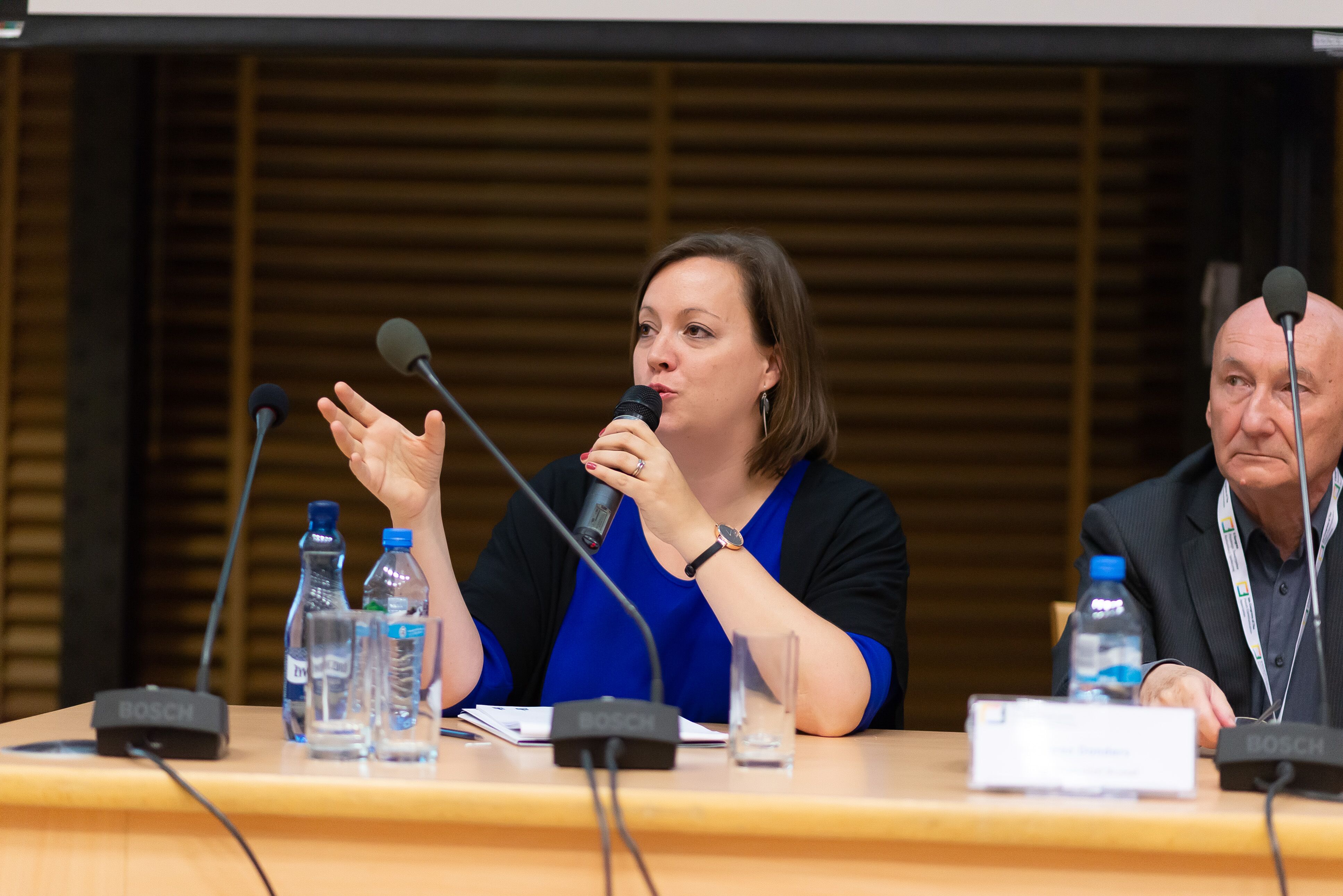
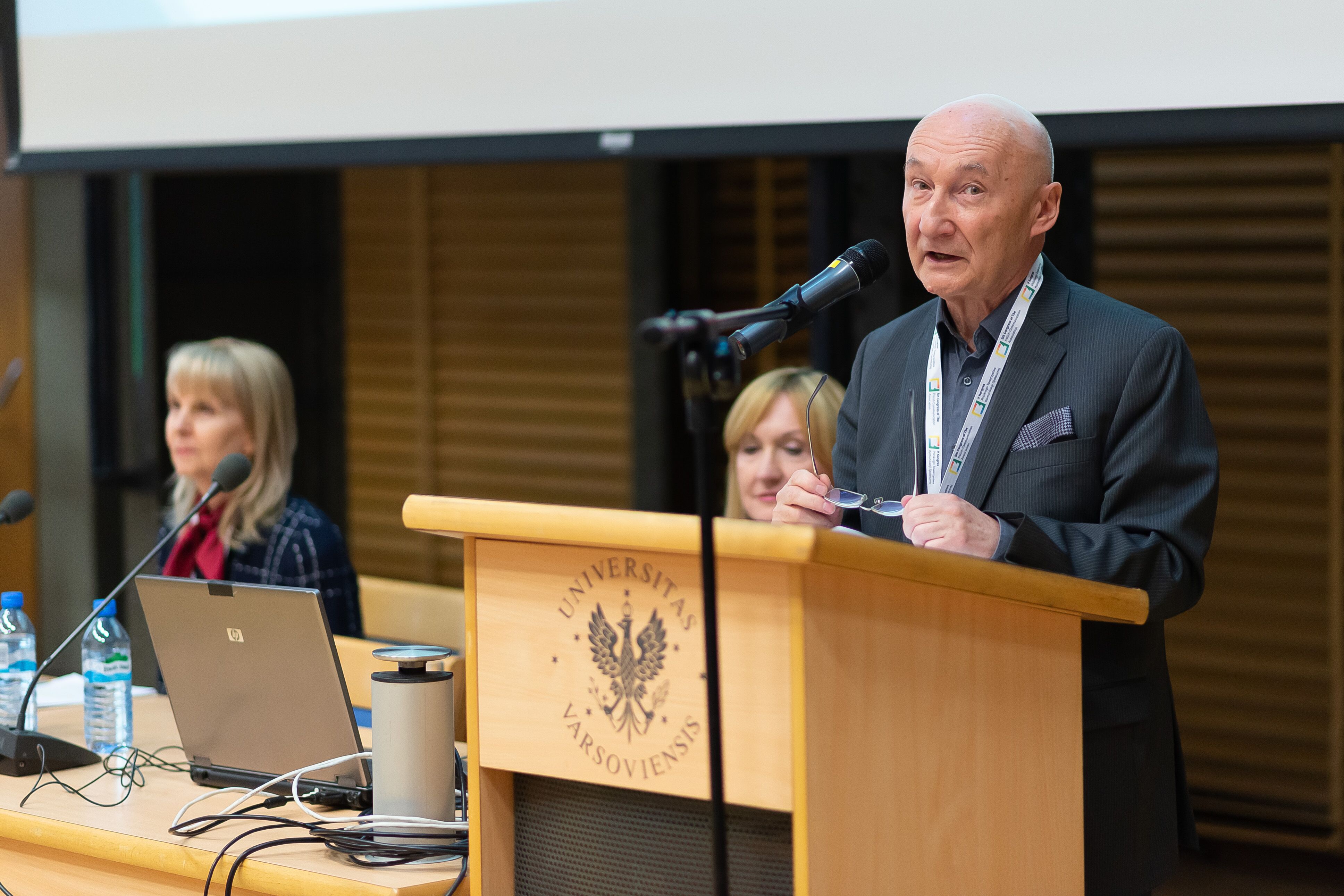
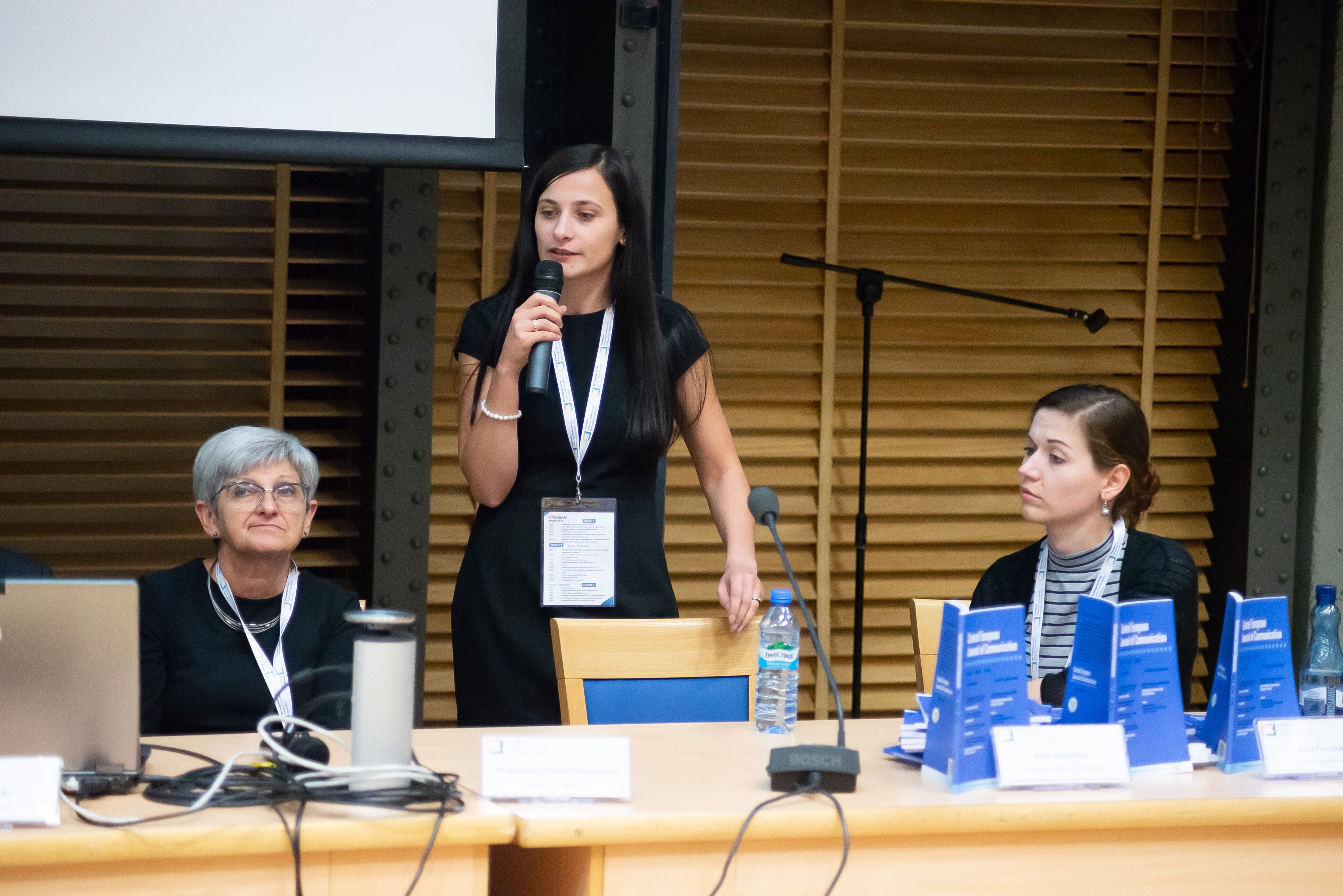
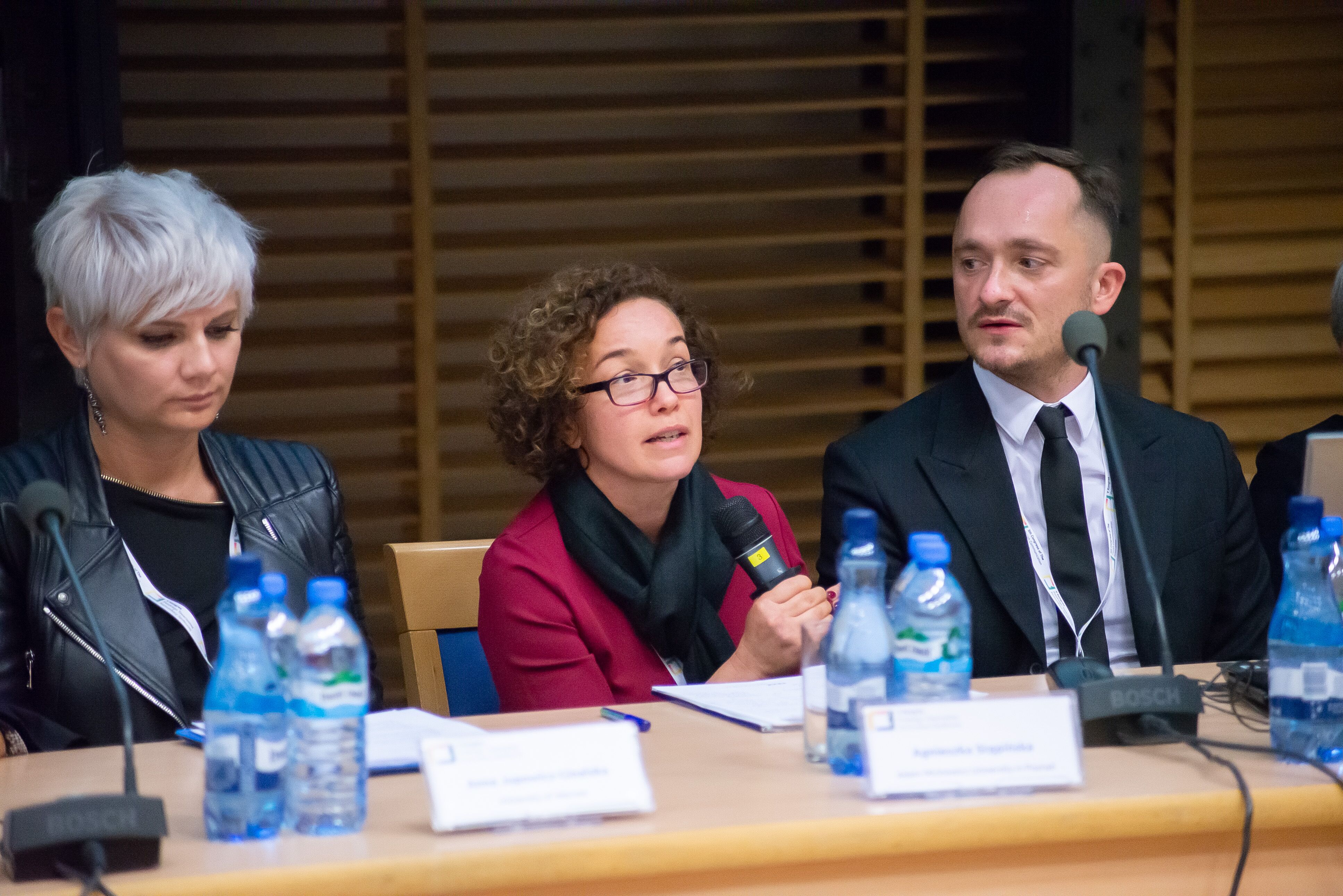
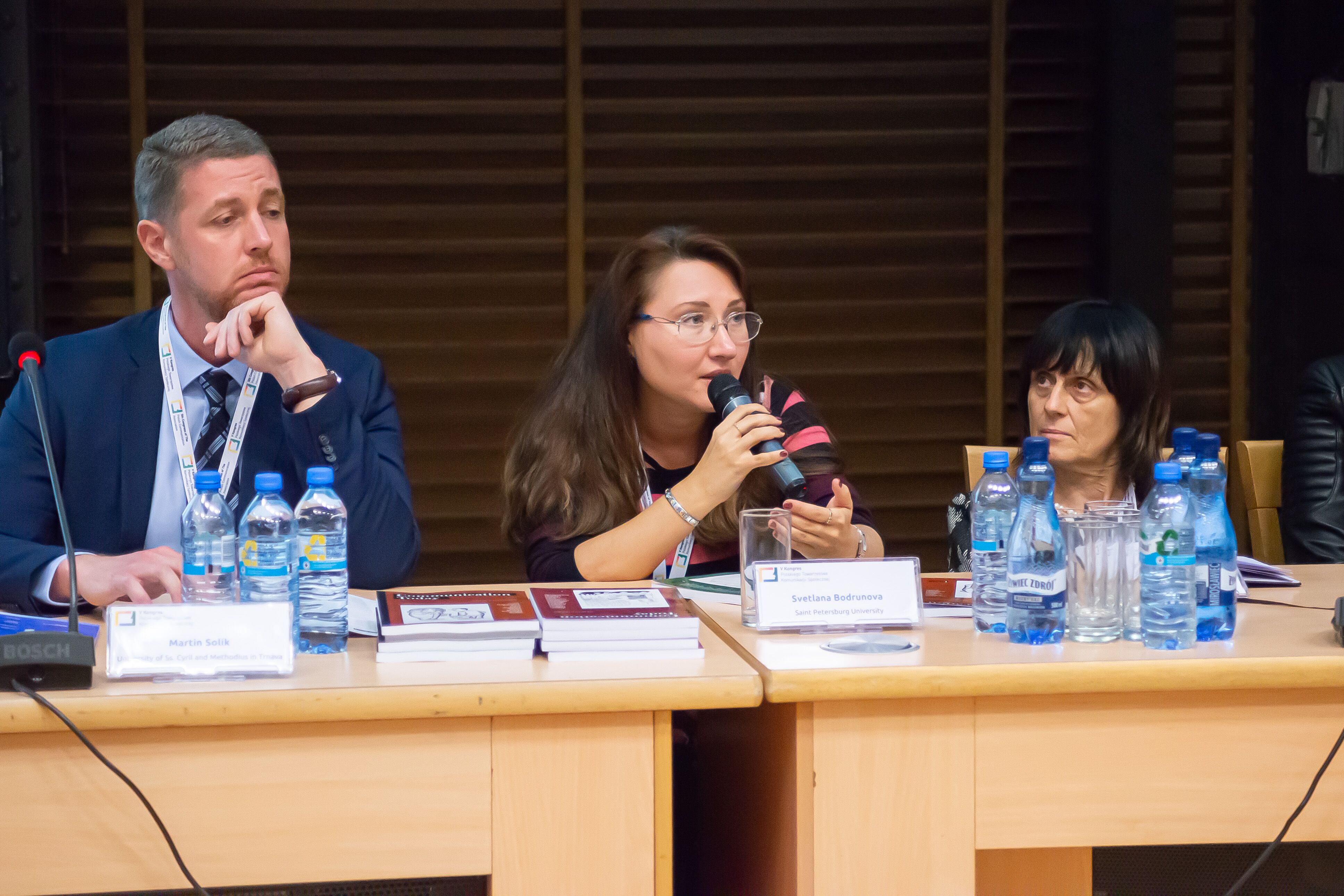
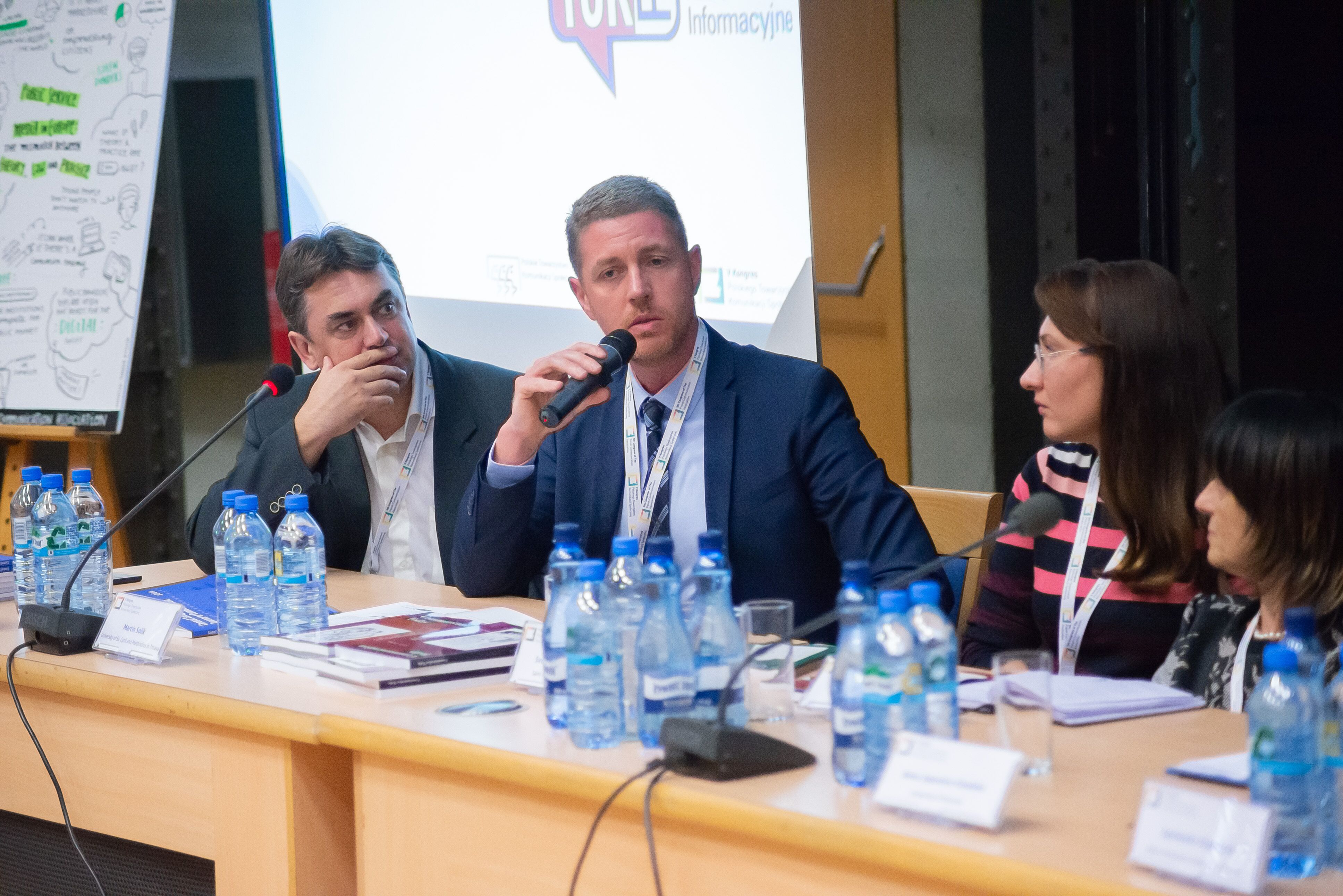
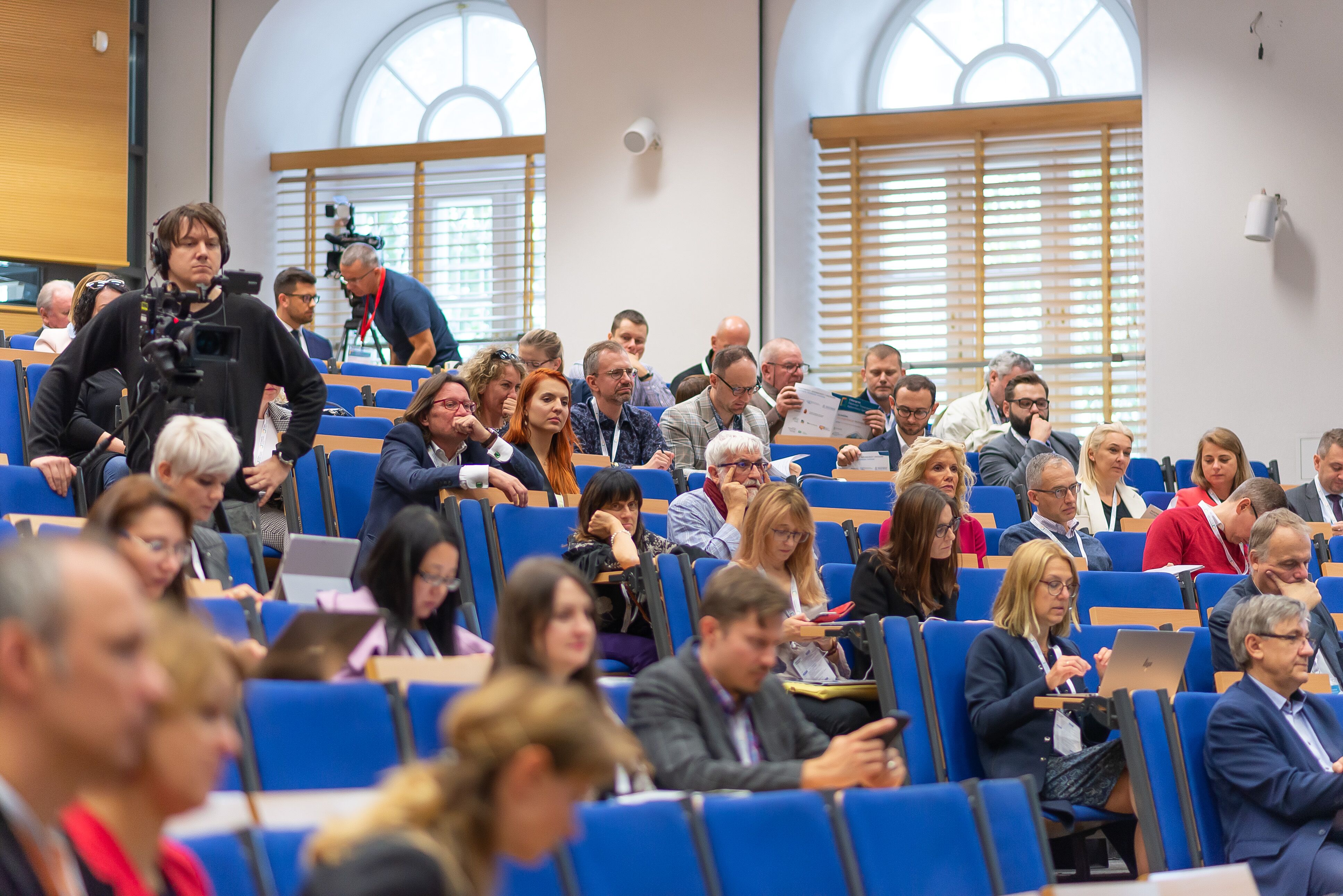
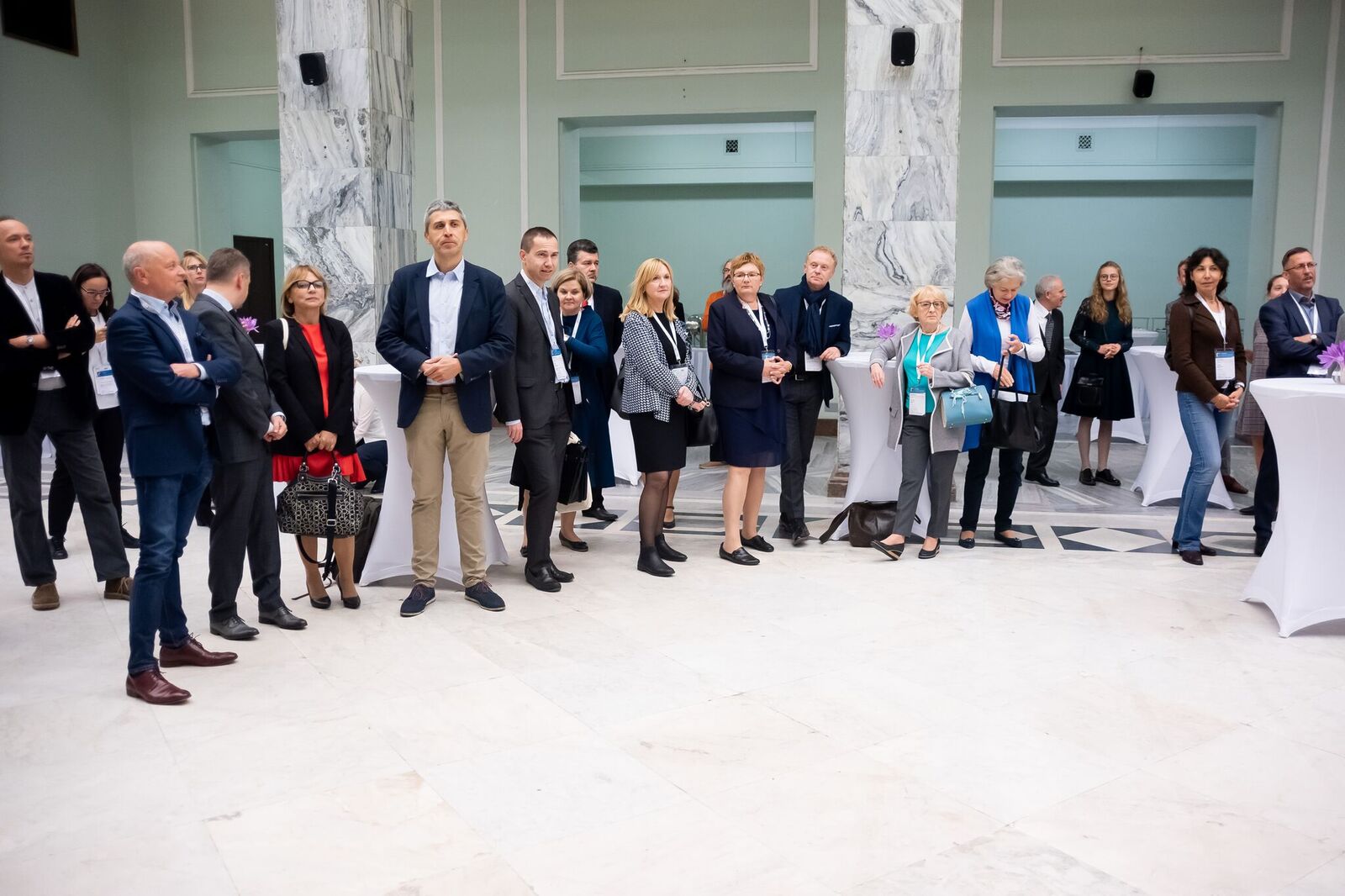
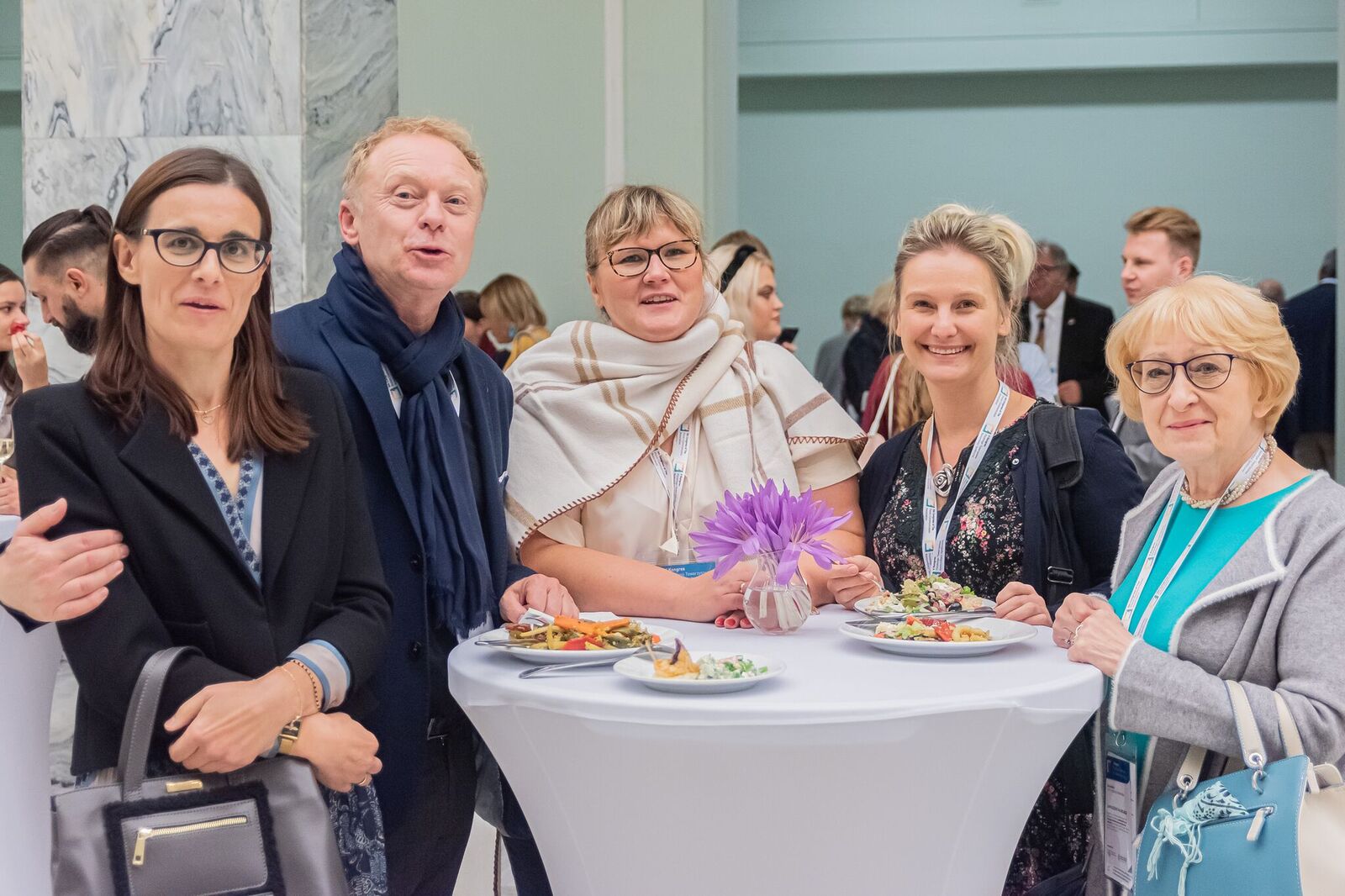
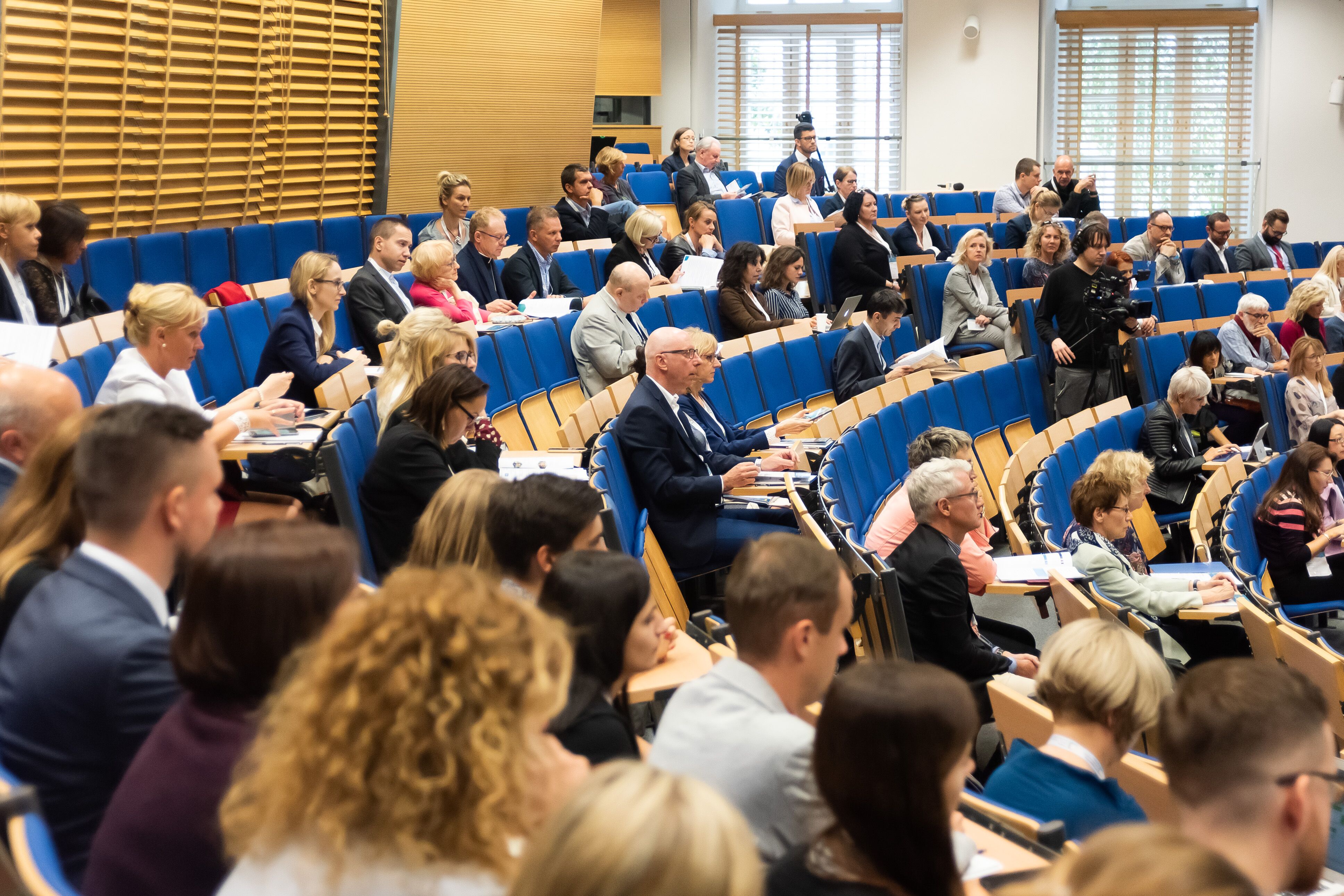
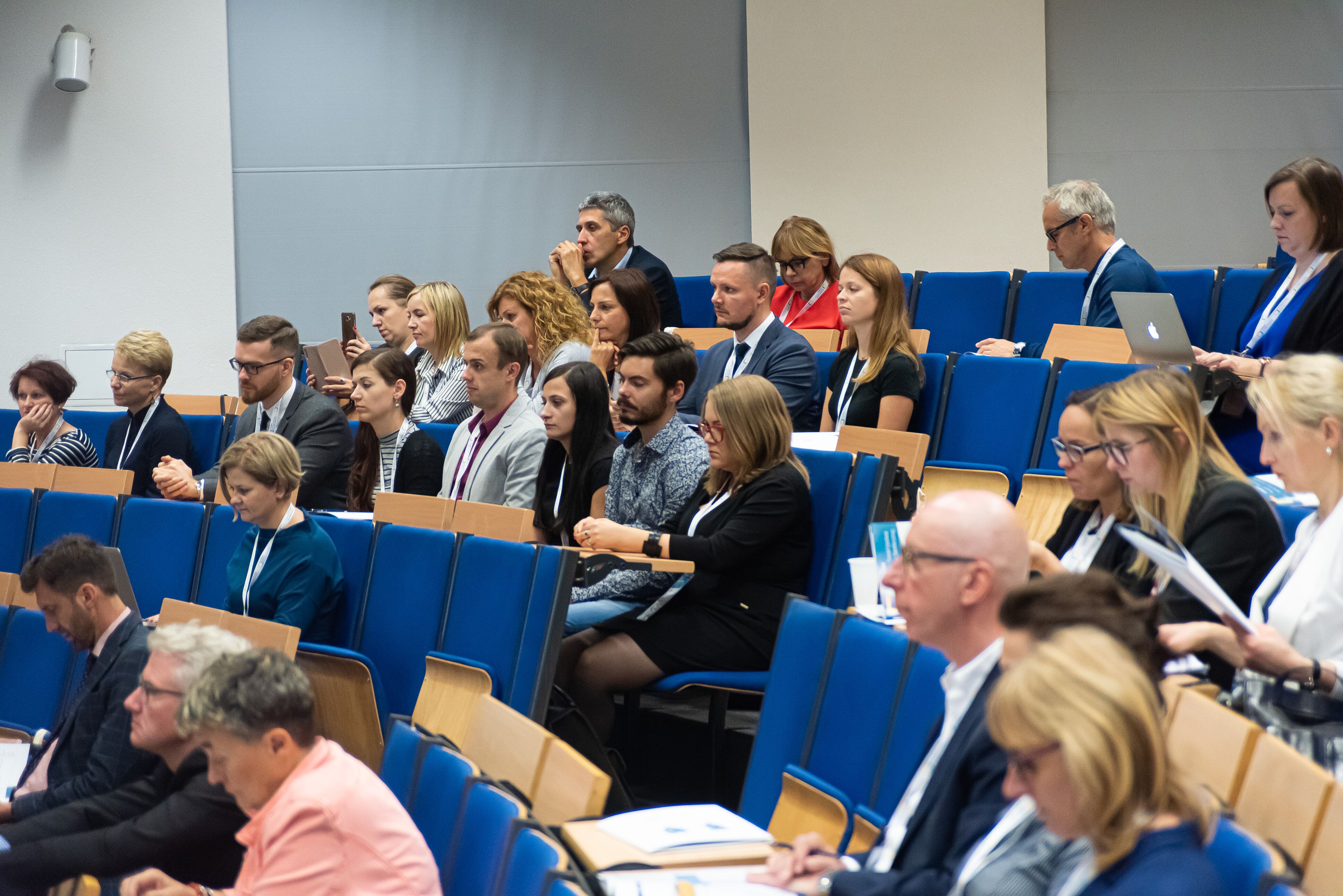
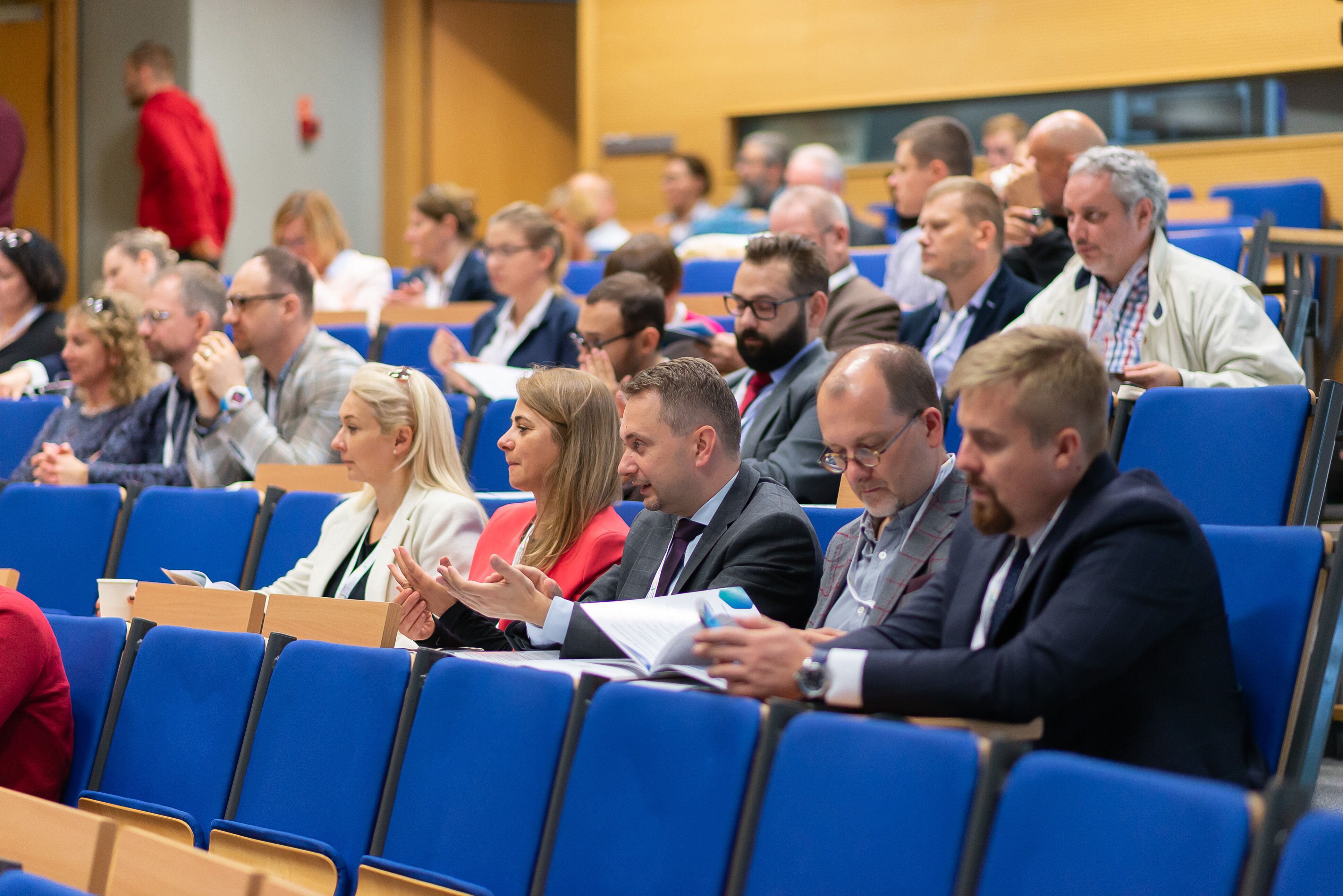
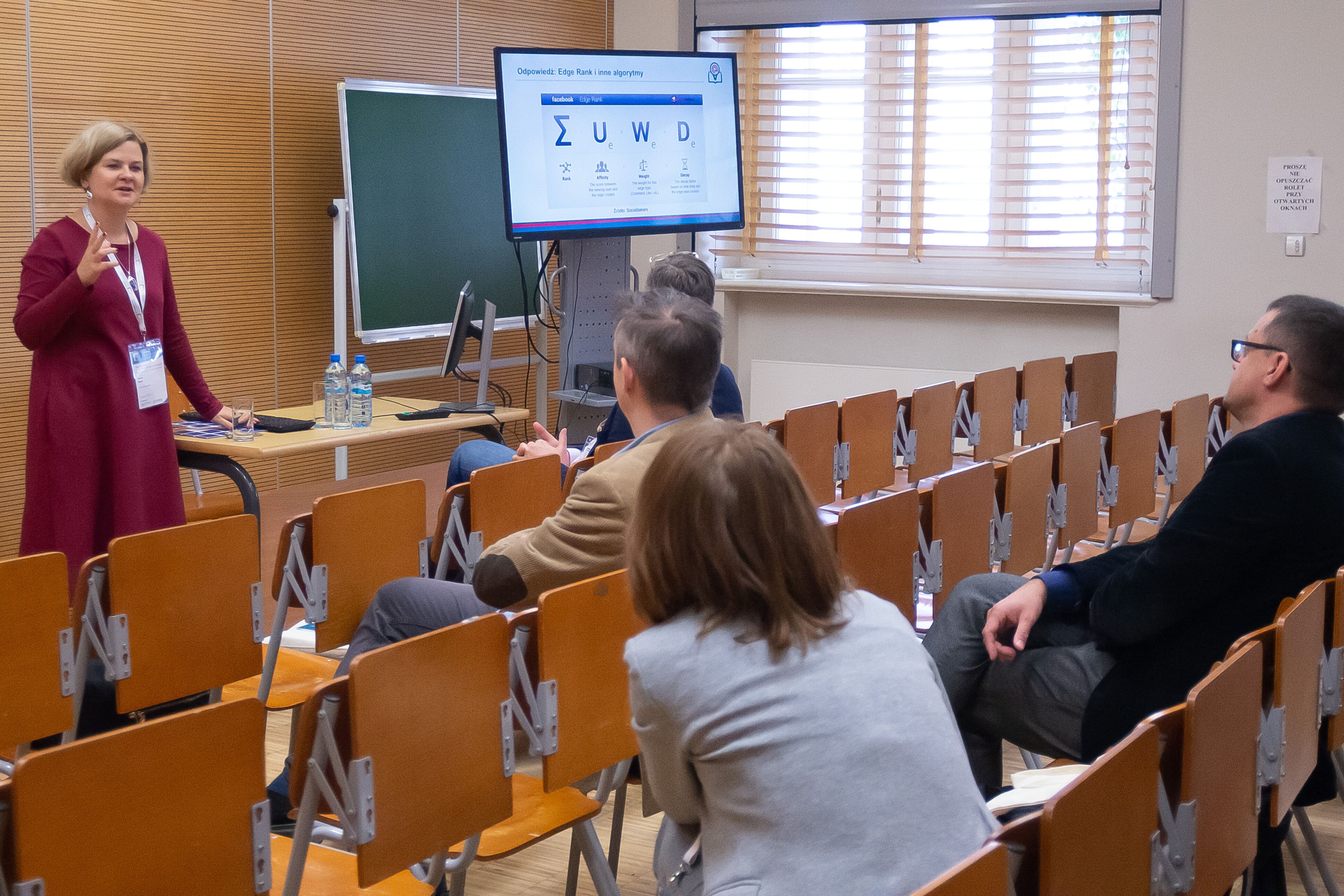
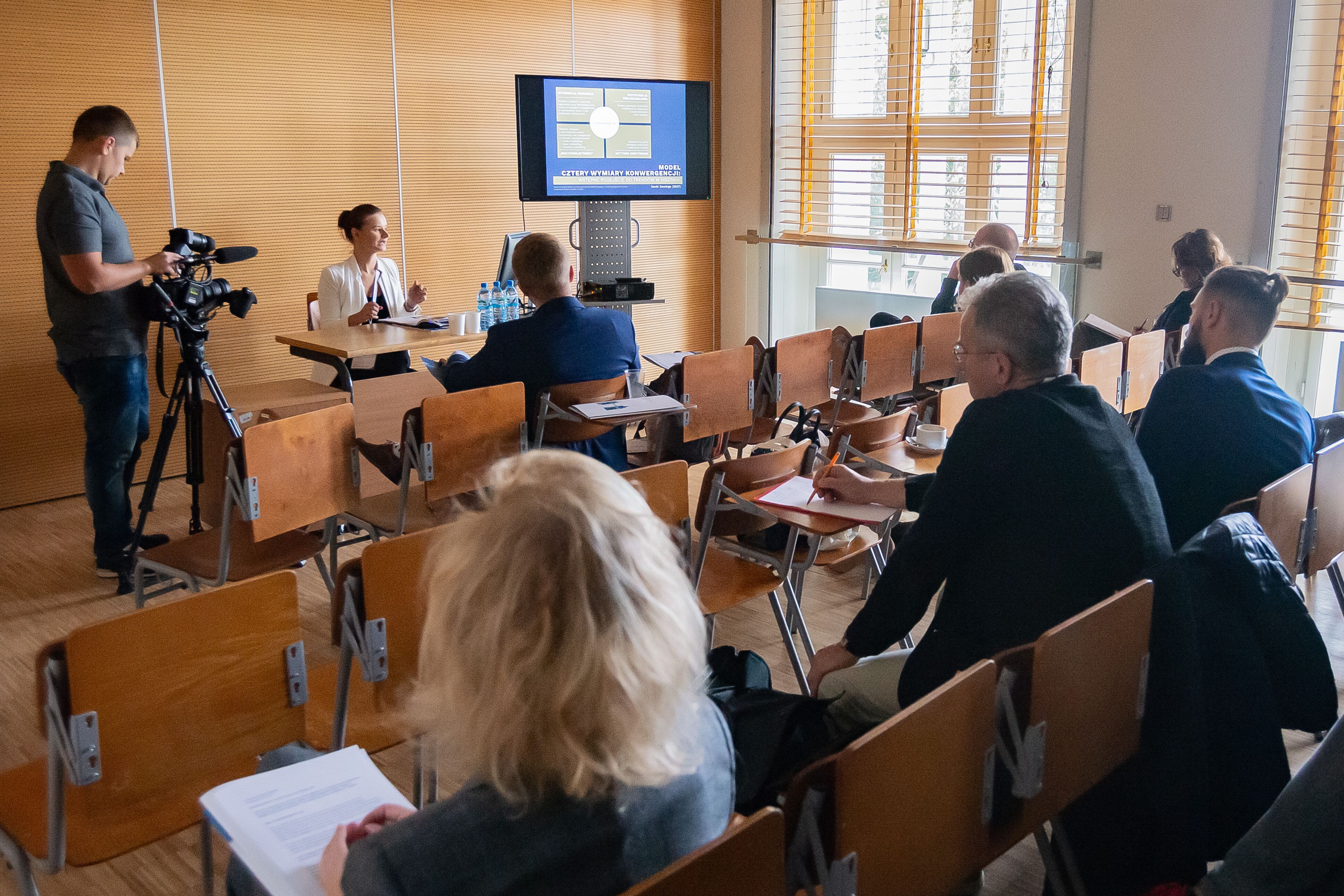
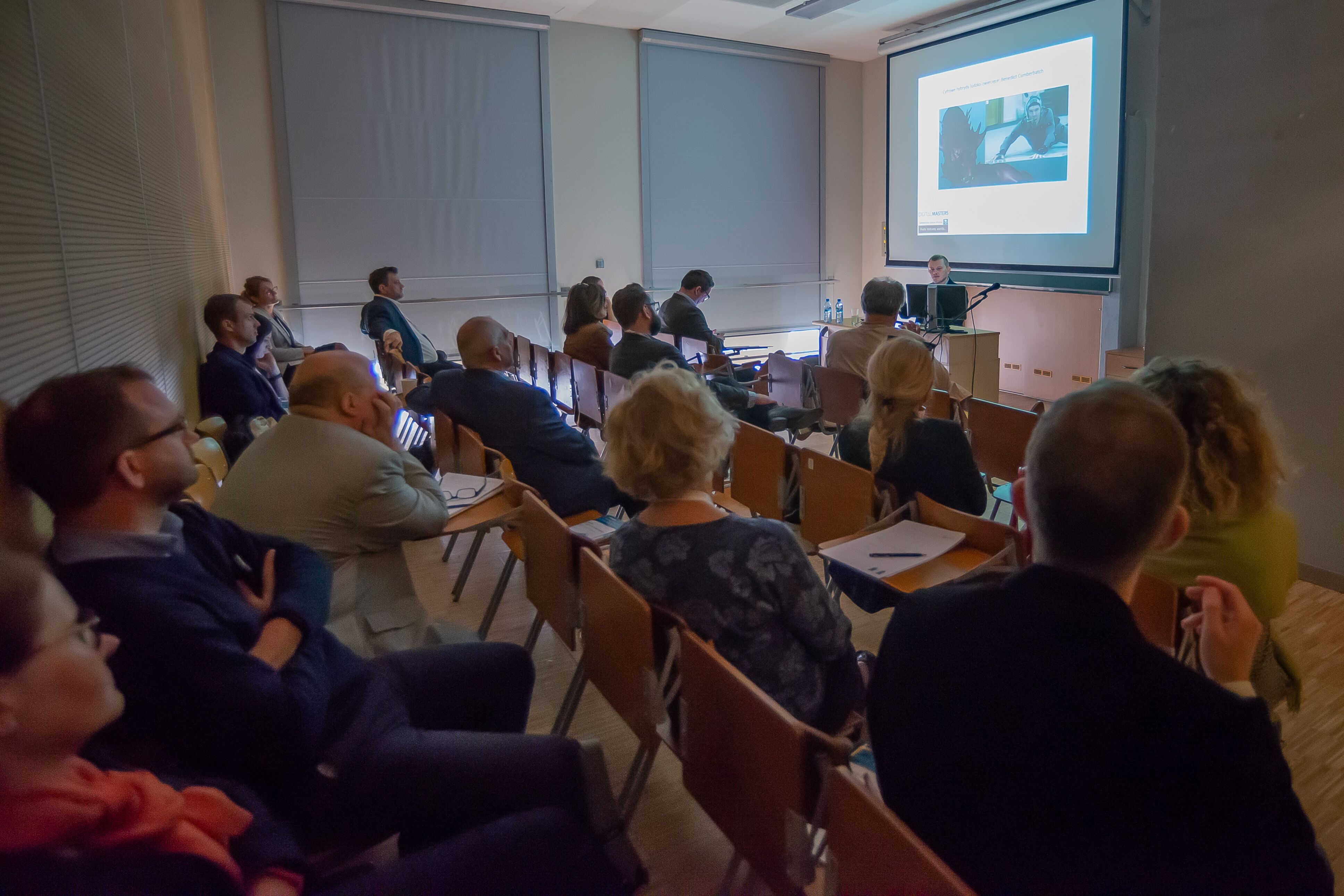
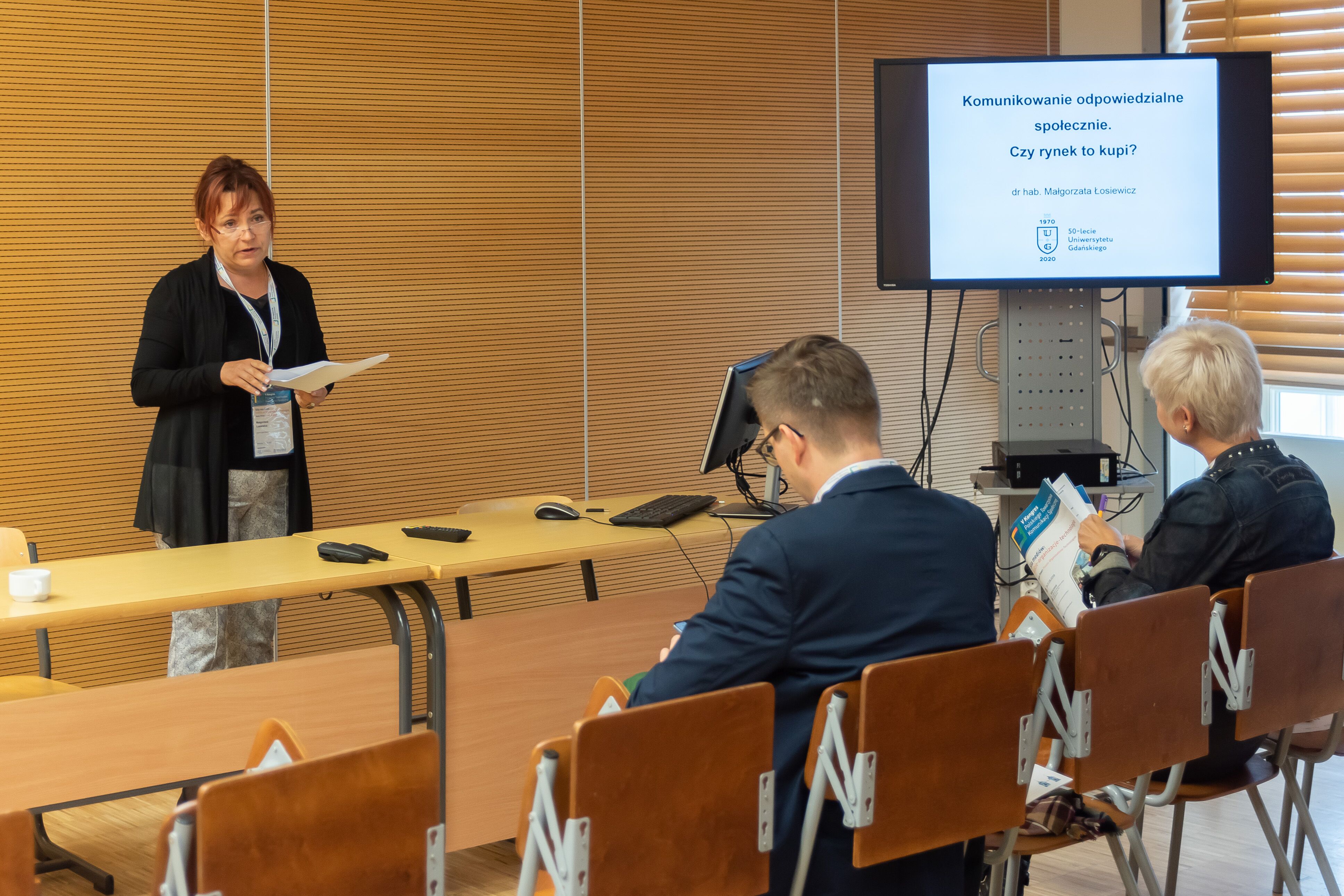
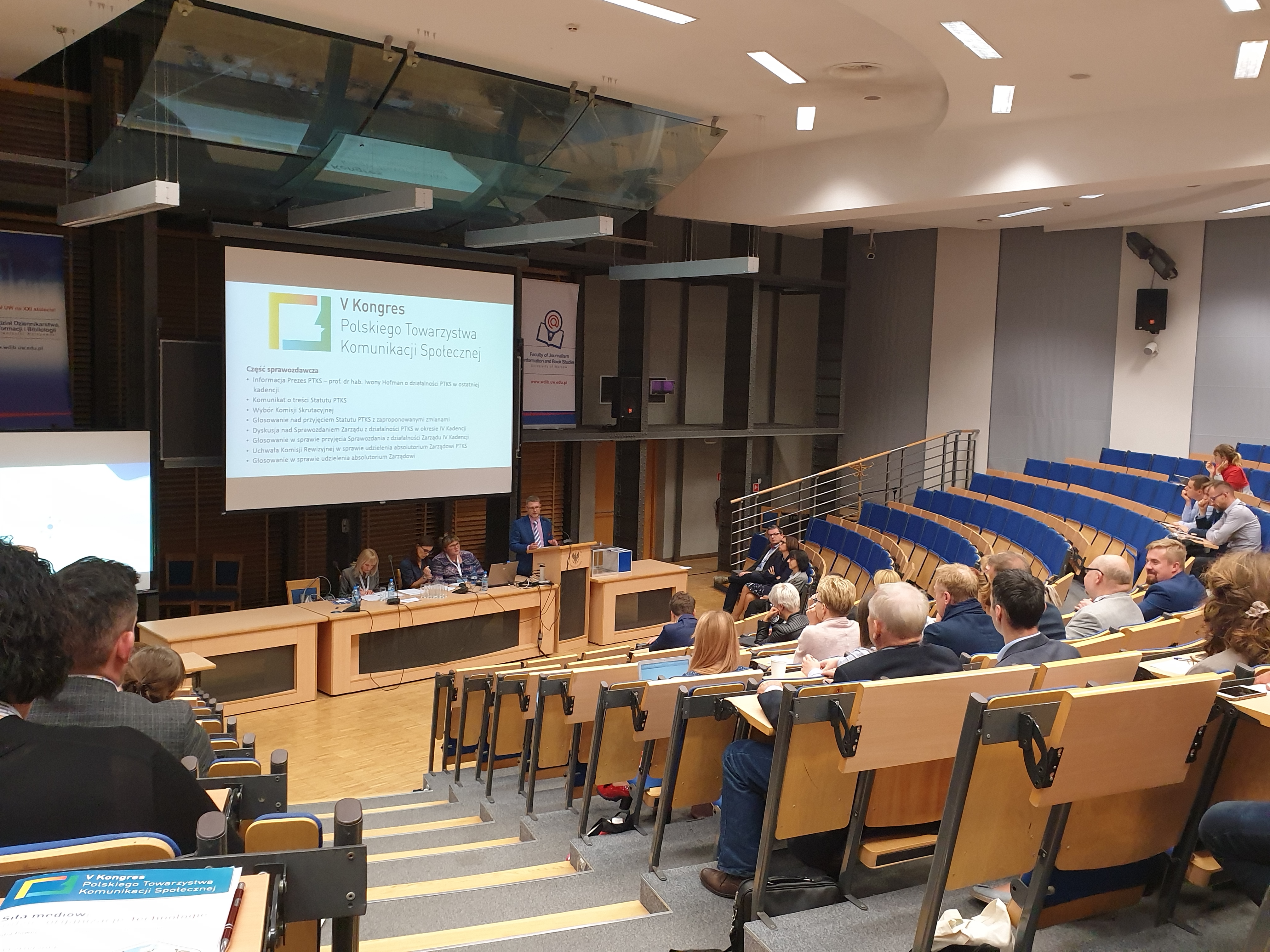
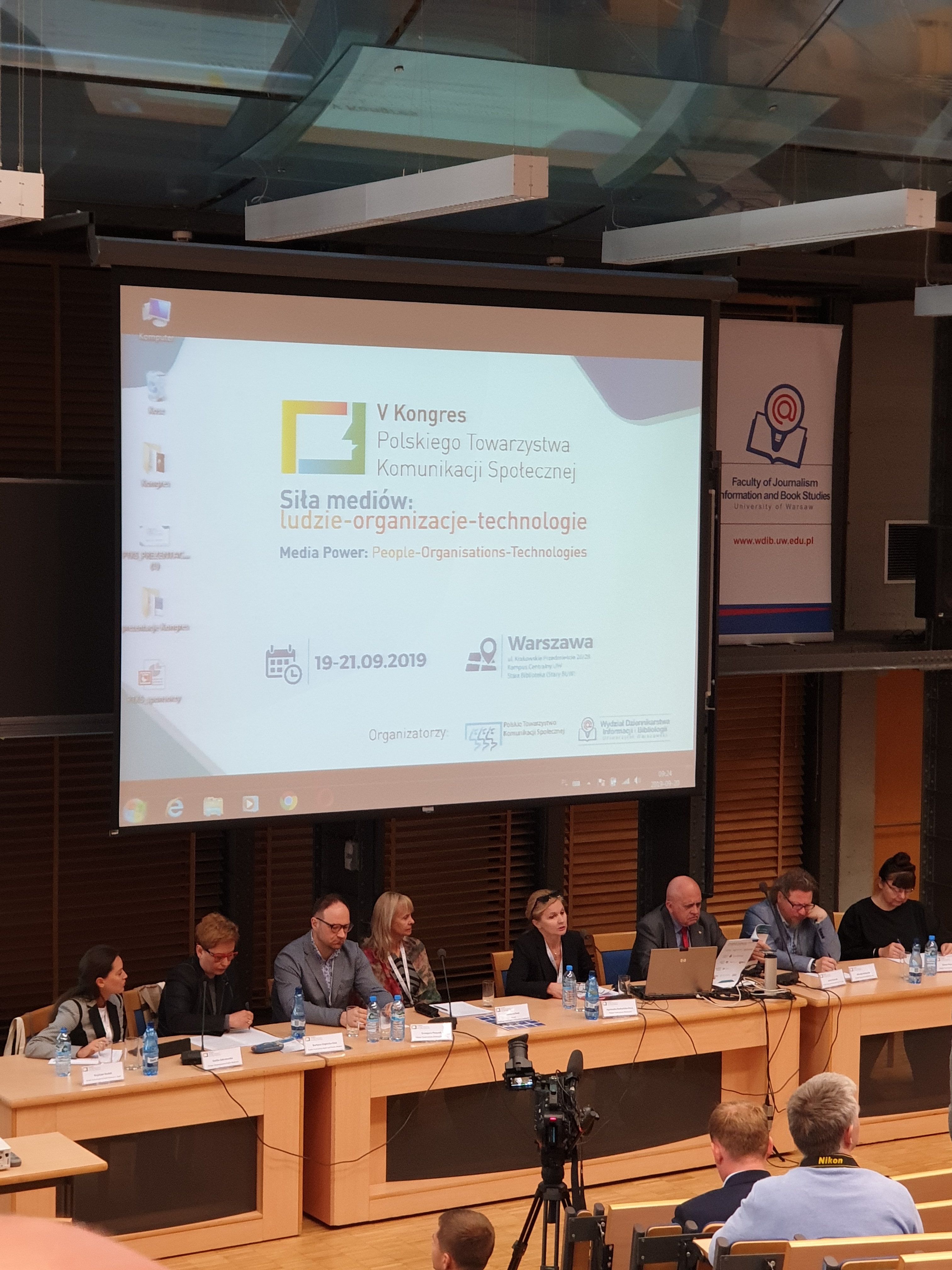
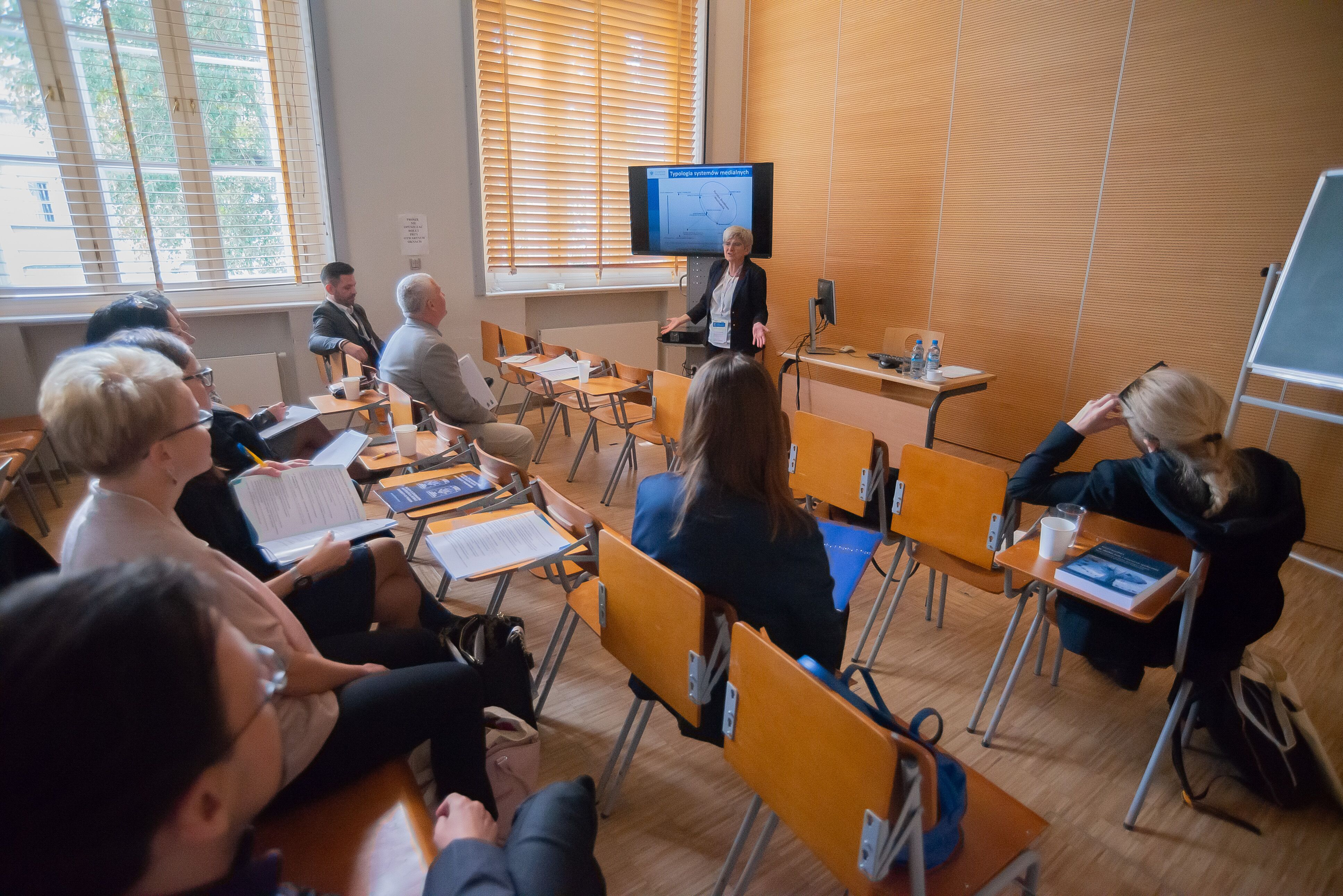
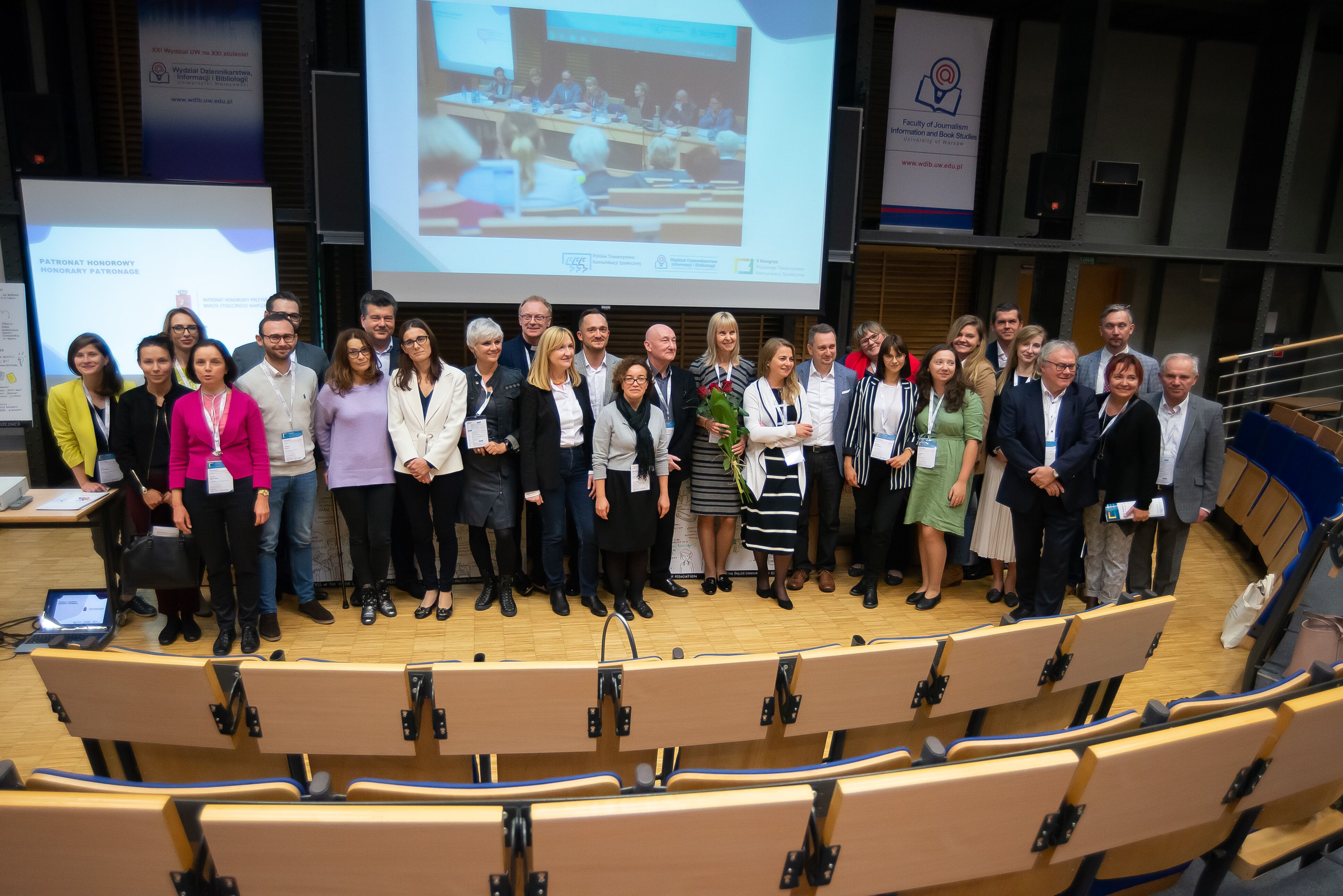
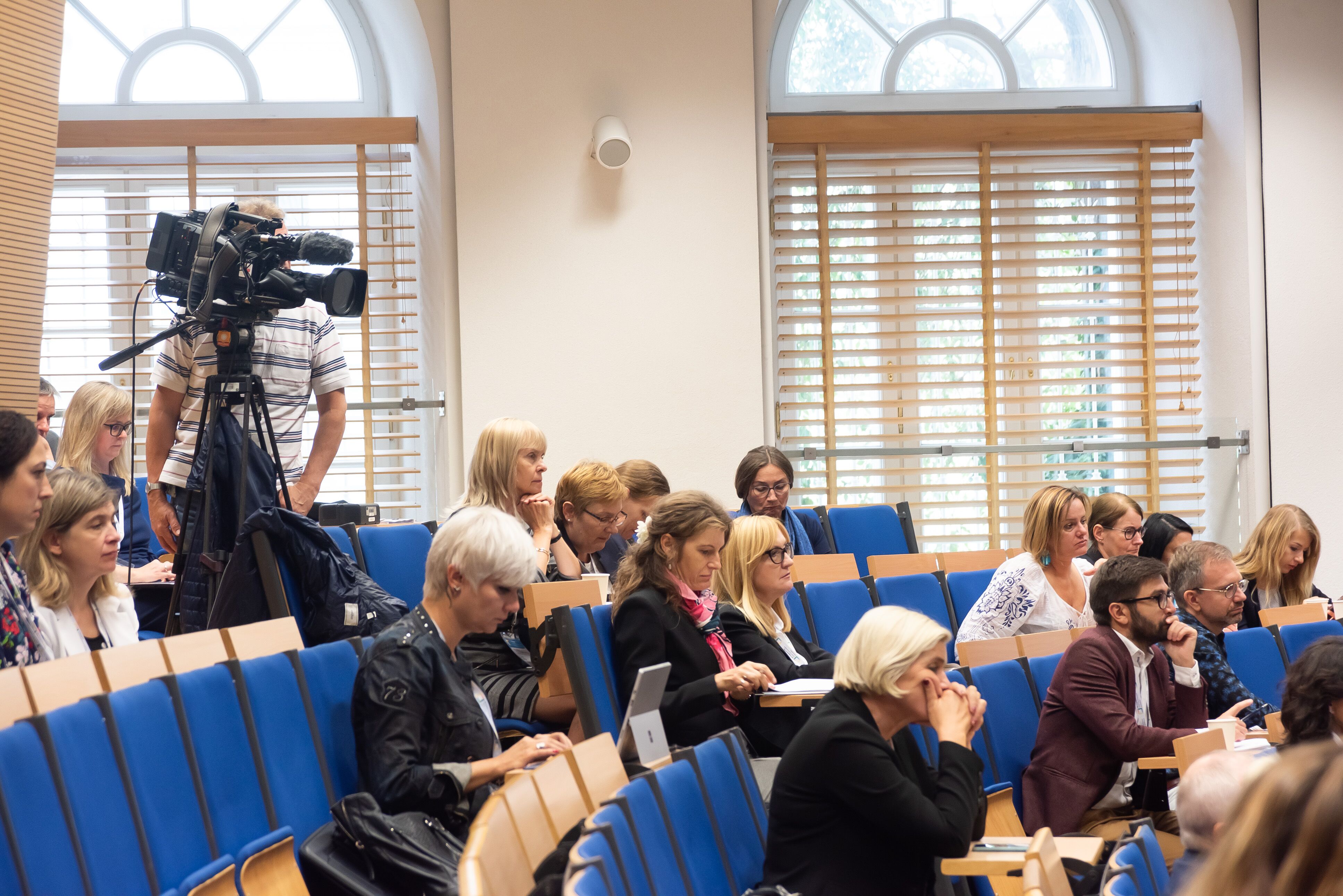
The Faculty of Journalism, Information and Book Studies, University of Warsaw hosted the 5th Congress of the Polish Communication Association. The event entitled: ‘Media Power: People–Organisations–Technologies’ was organised on September 19–21, 2019. Over 250 speakers from various research centres gathered in the city of Warsaw: the list of participants included representatives included scientists from Poland, Belgium, Bulgaria, Greece, The Netherlands, Russia, and the United Kingdom, as well as from the media industry. The Congress program consisted of over 50 thematic panels, two plenary sessions and three roundtable discussions
During the three days of the meeting, the participants dealt with the media and key thematic areas. The analysis of ‘people’ included media values and functions in the digital age, media accountability and transparency, societal and political polarisation, as well as studies on journalism culture. The ‘organisations’ section looked at media ownership and management, organisational cultures and structures, models of media systems, the interplay between the media and politics, as well as business model and new media strategies. The ‘technology‘ area focused on information and communication technologies, multimedia platforms, social media and user-generated content, visual communication, Big Data, as well as new forms of PR and advertising.
Day 1: Media Power
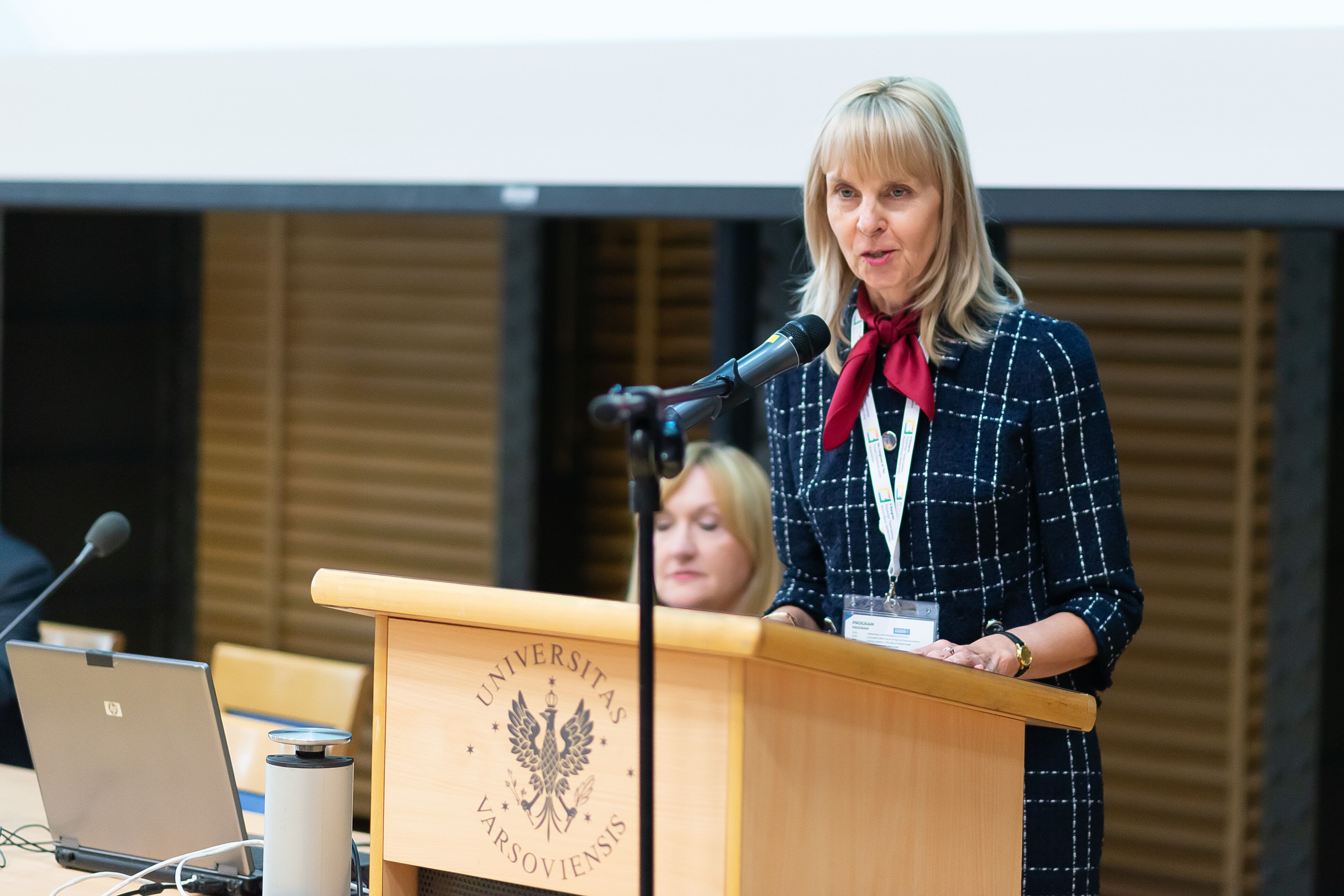
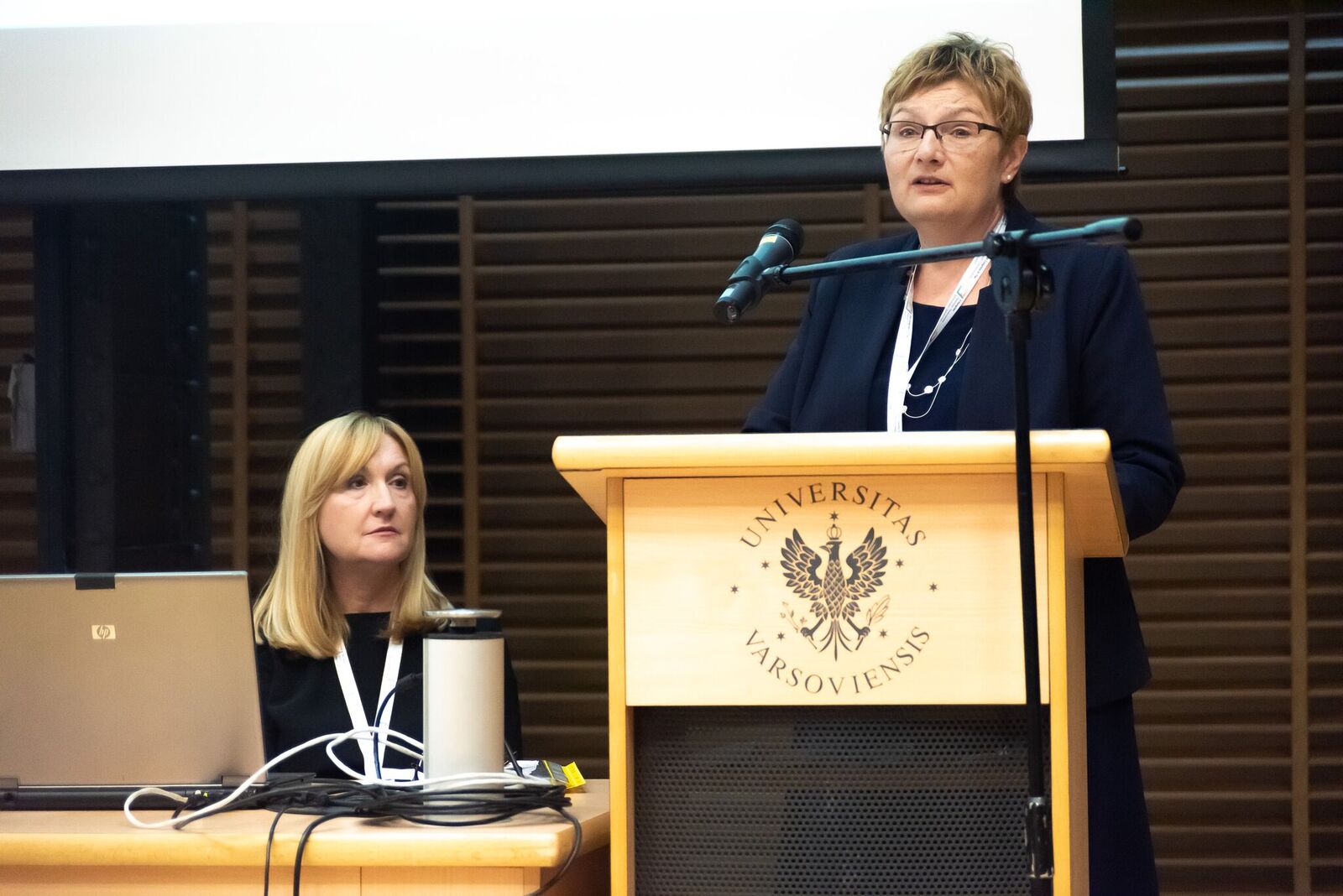
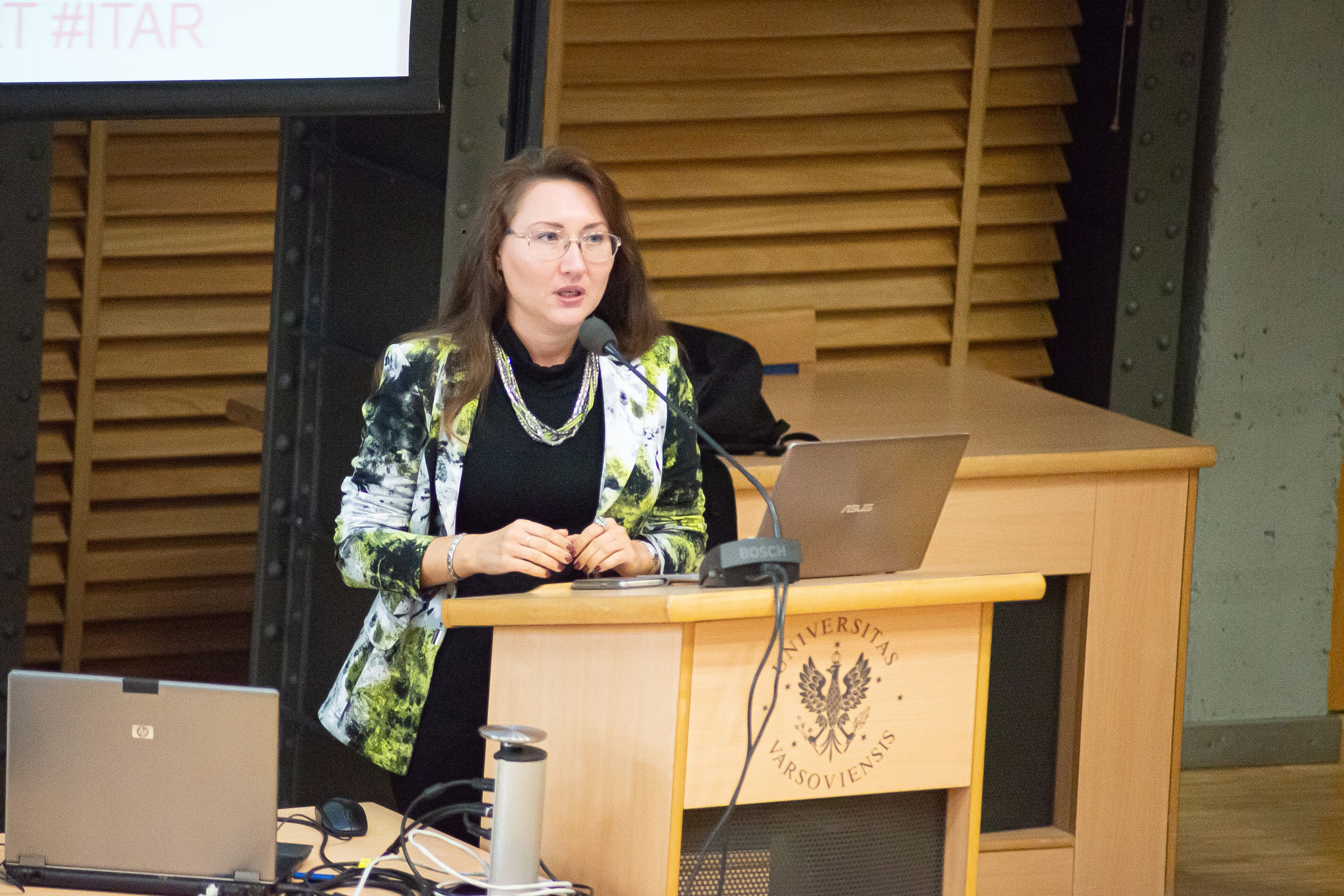
The opening of the V Congress of the PCA took place in the hall of the Old Library building, located on the Main Campus of the University of Warsaw. The welcoming speeches were given by the event organisers: Janusz W. Adamowski (Dean of the Faculty of Journalism, Information and Book Studies, University of Warsaw), Iwona Hofman (President of the Executive Committee of the Polish Communication Association), and Alicja Jaskiernia (University of Warsaw).
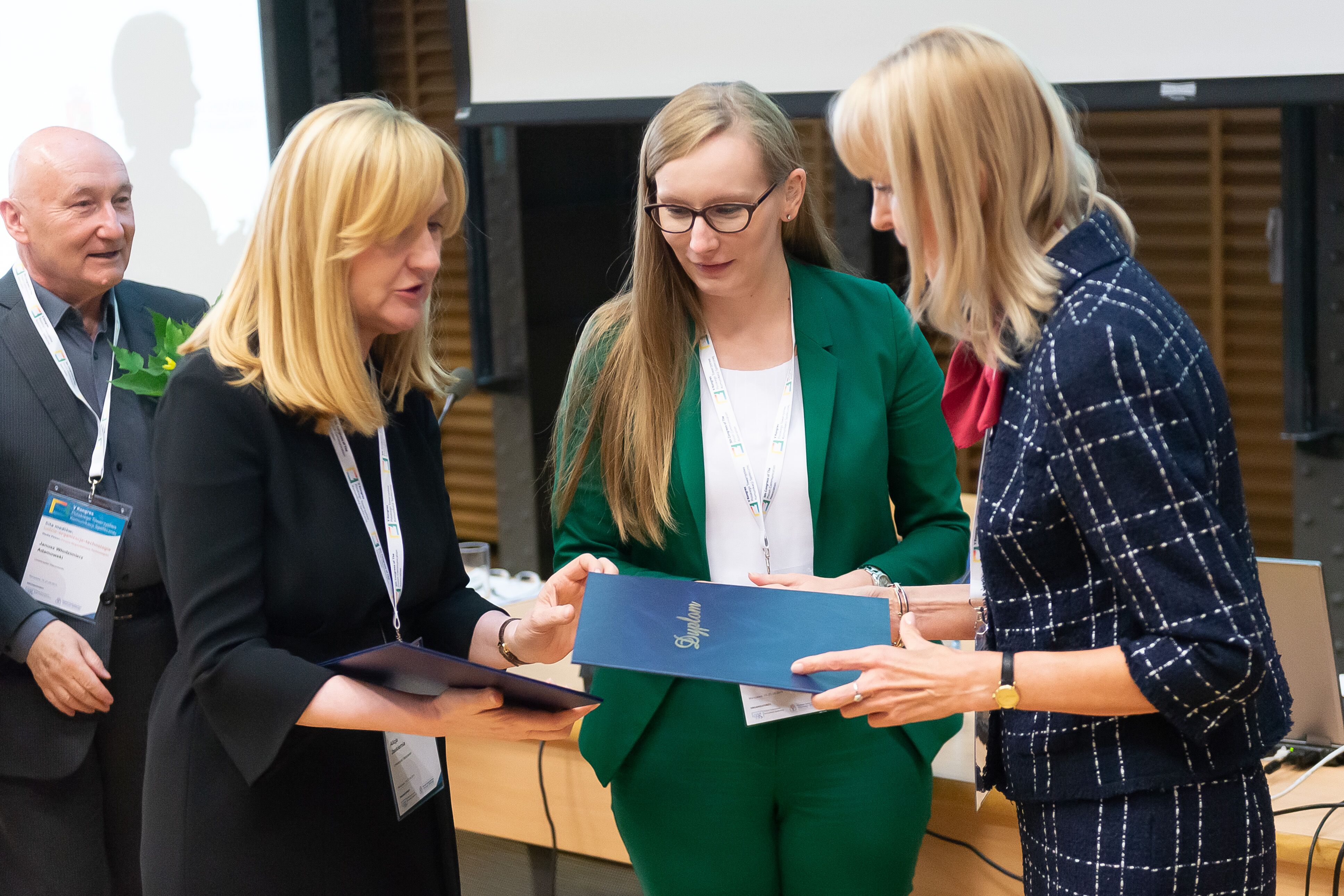
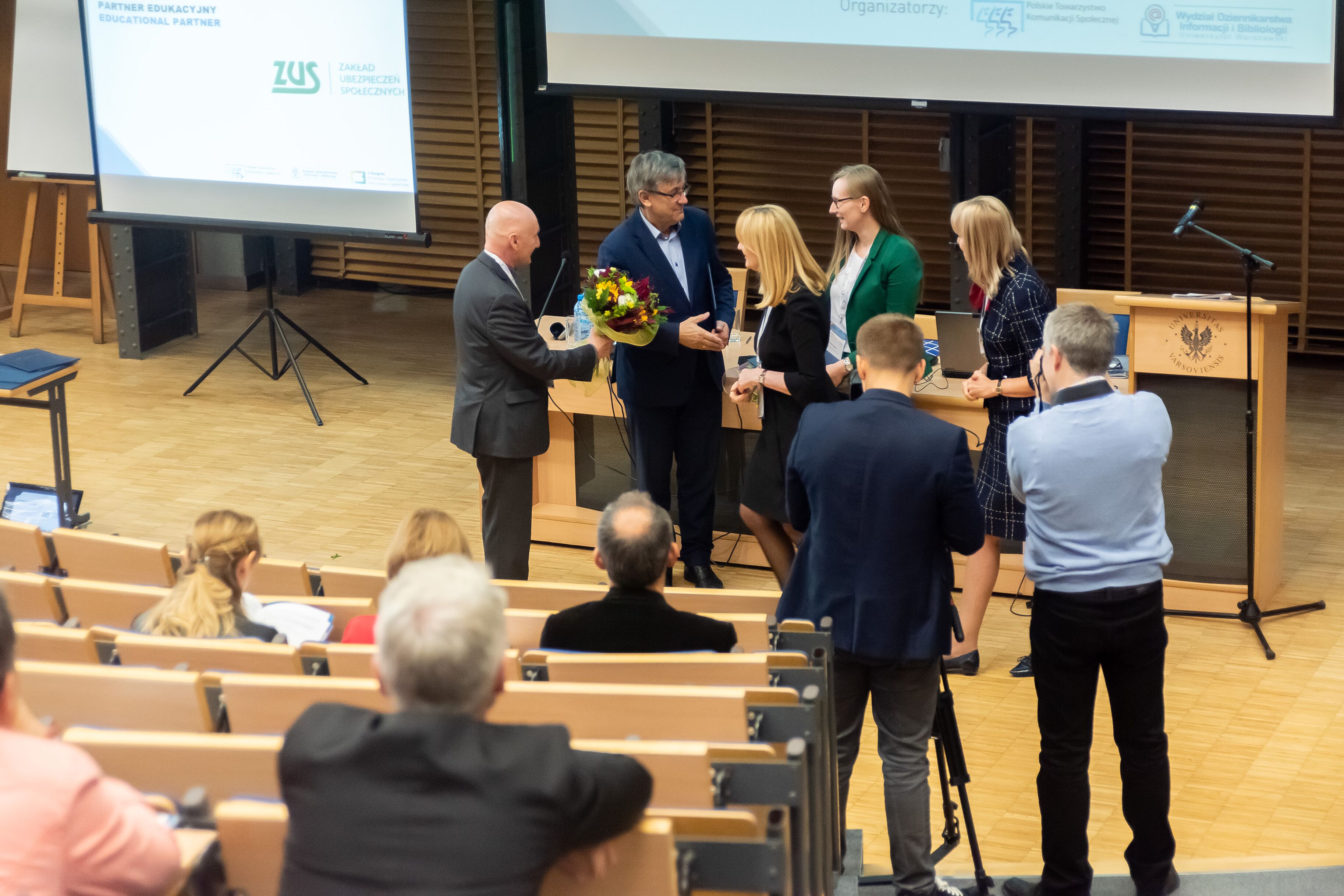
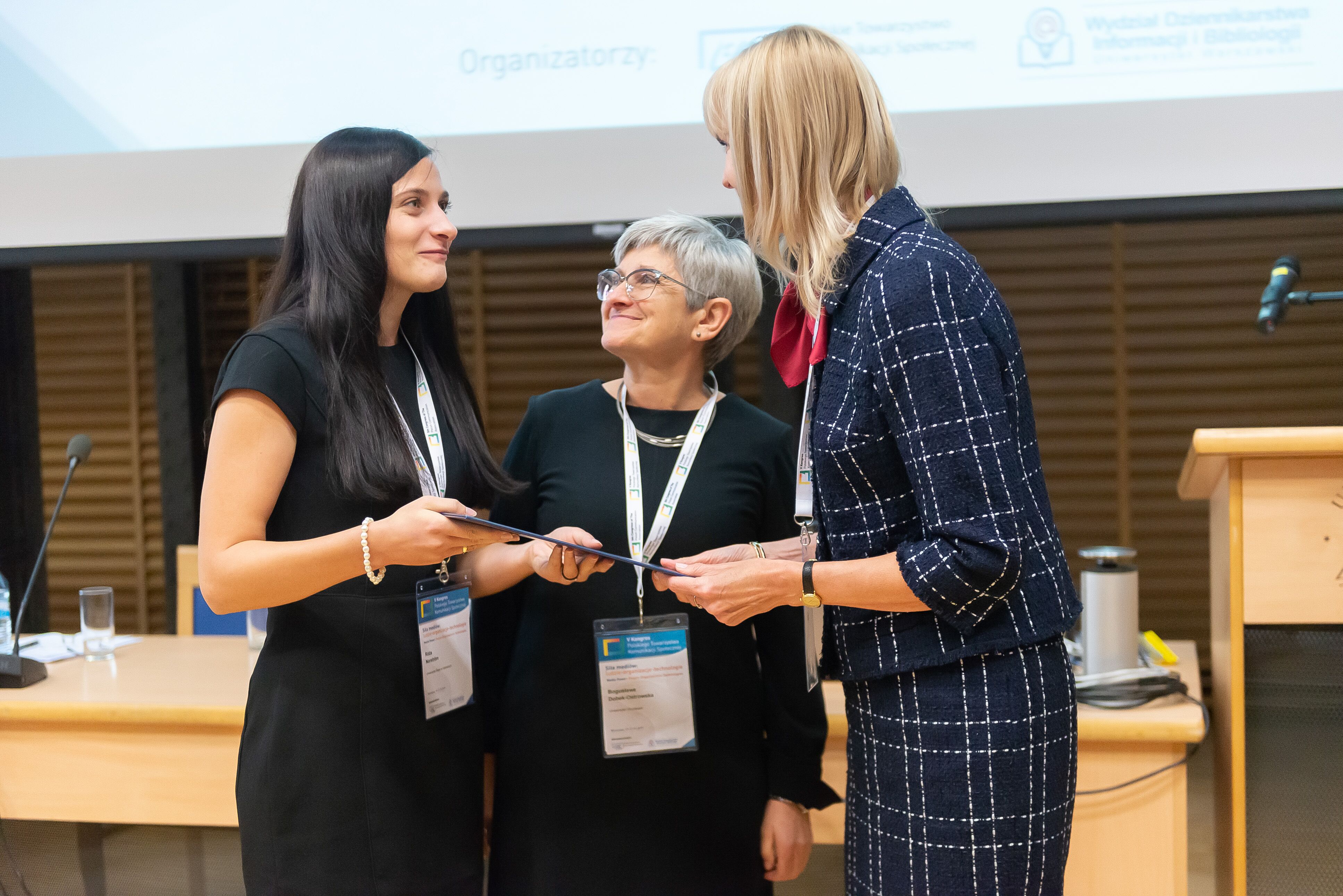
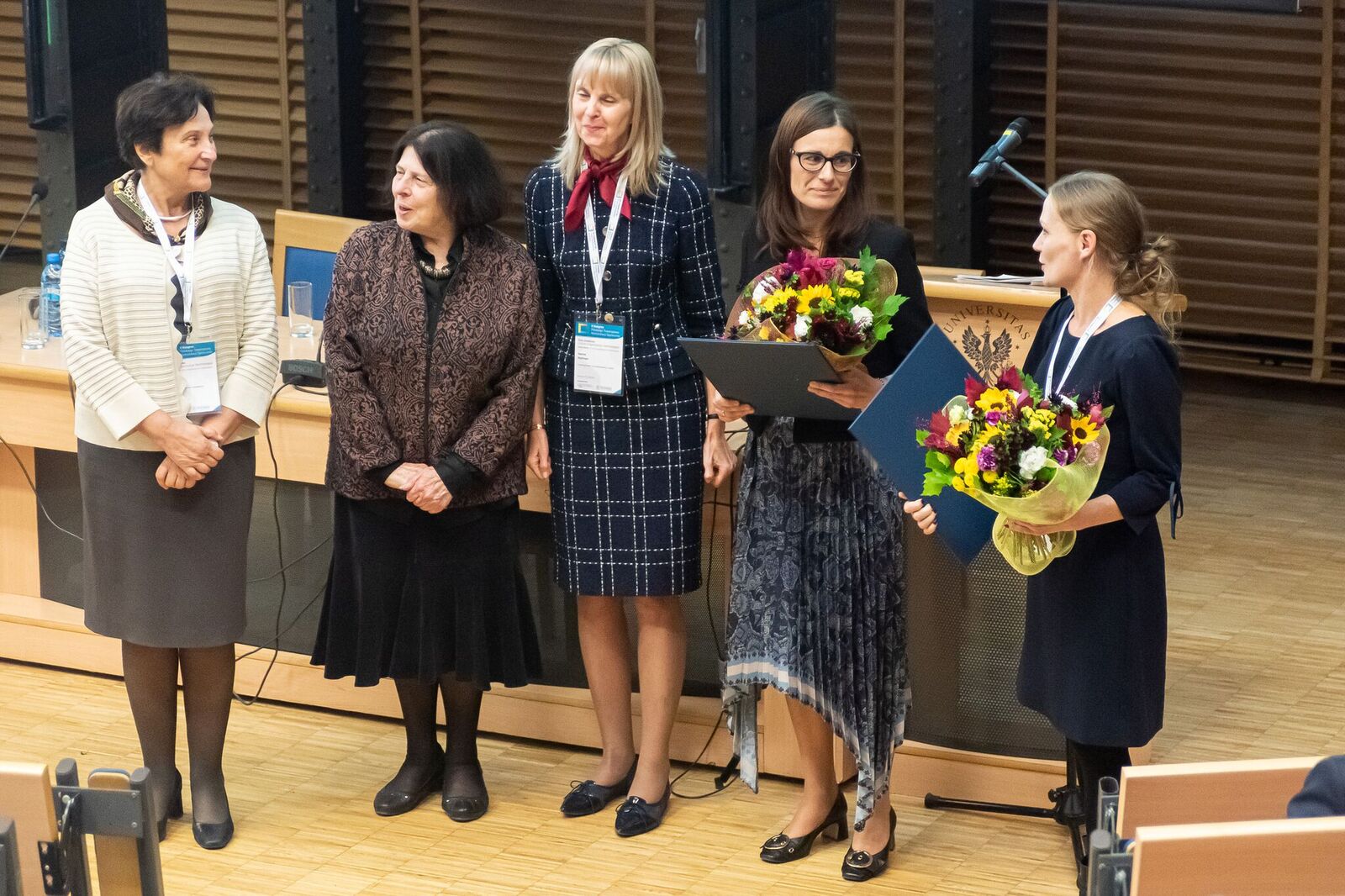
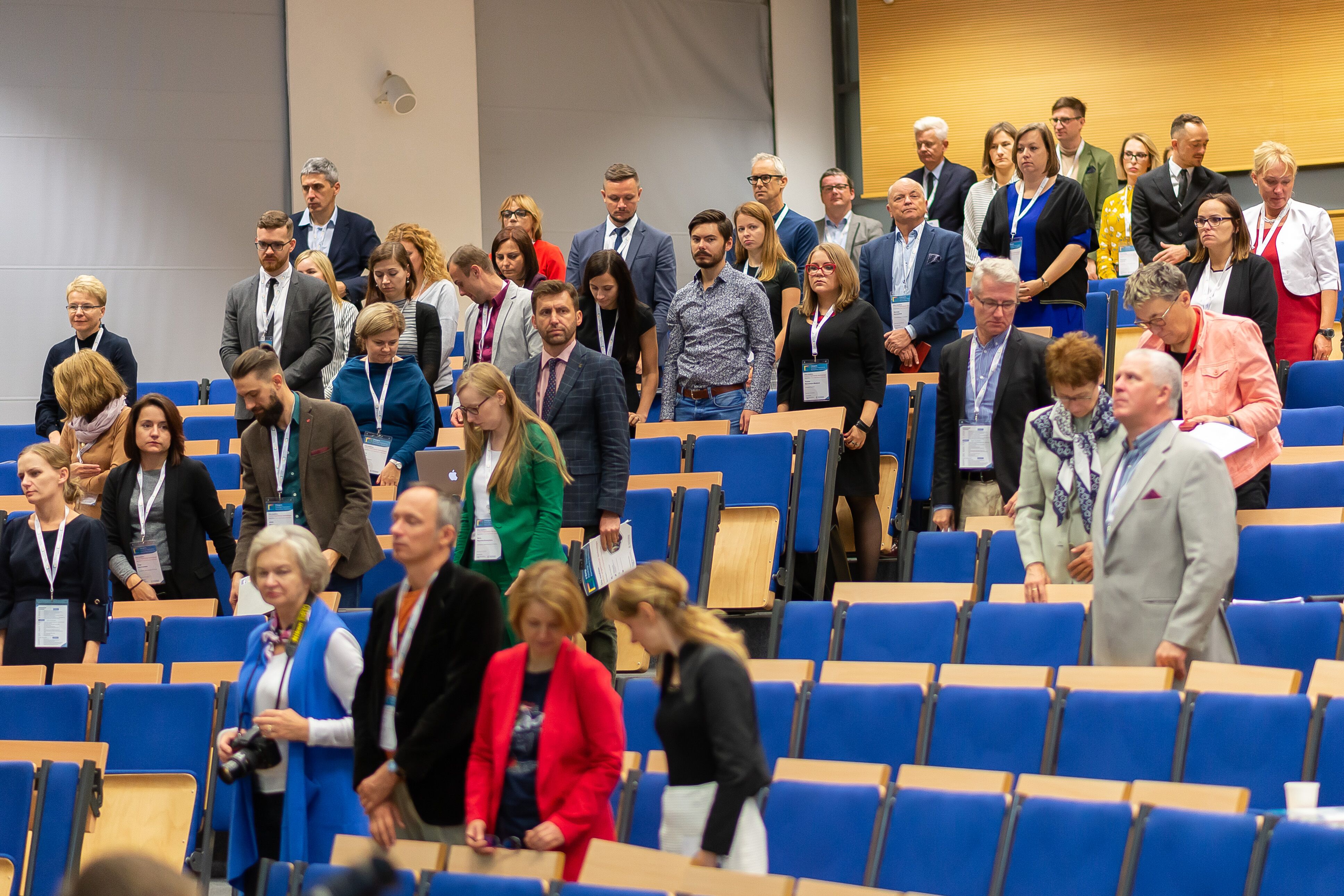
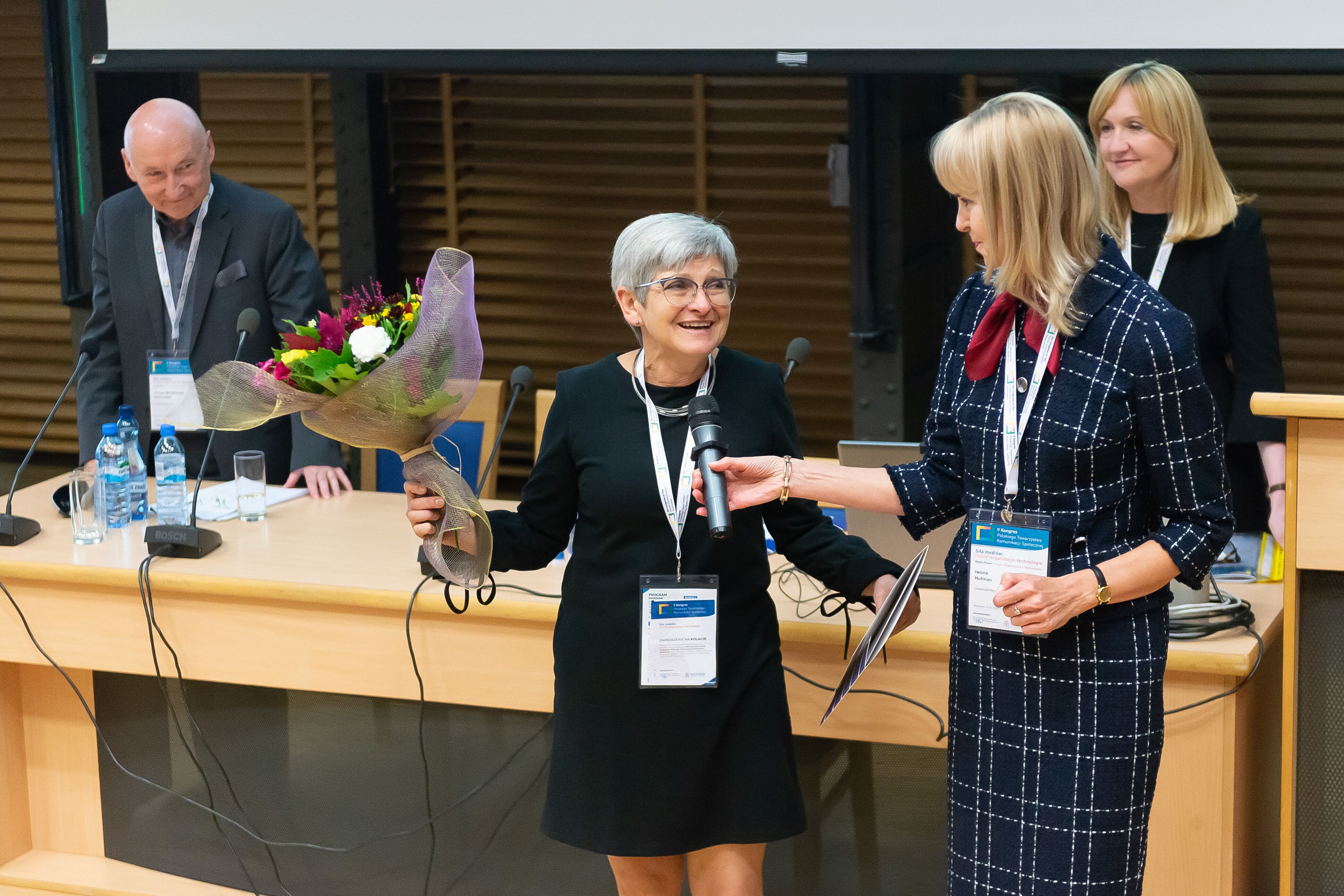
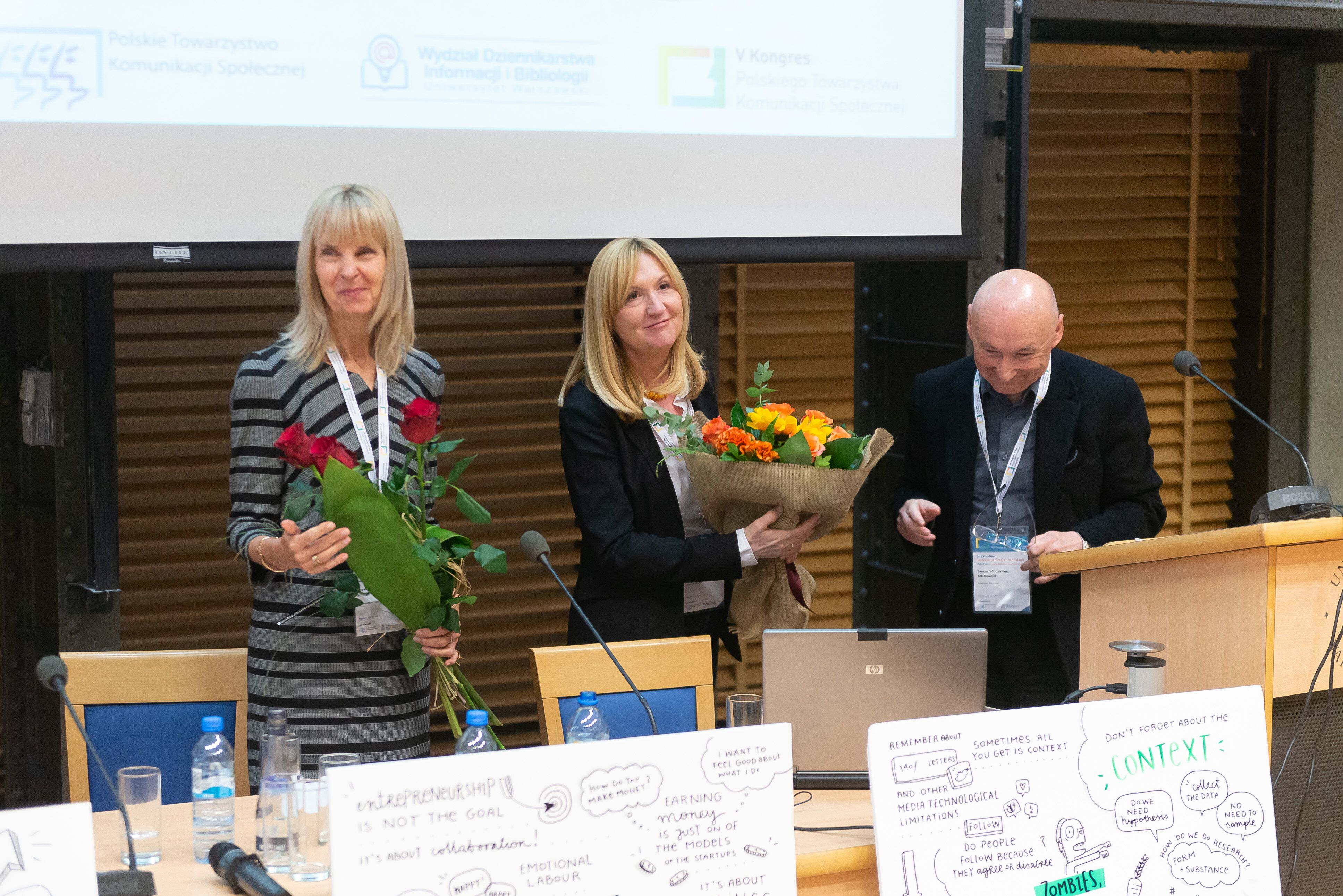
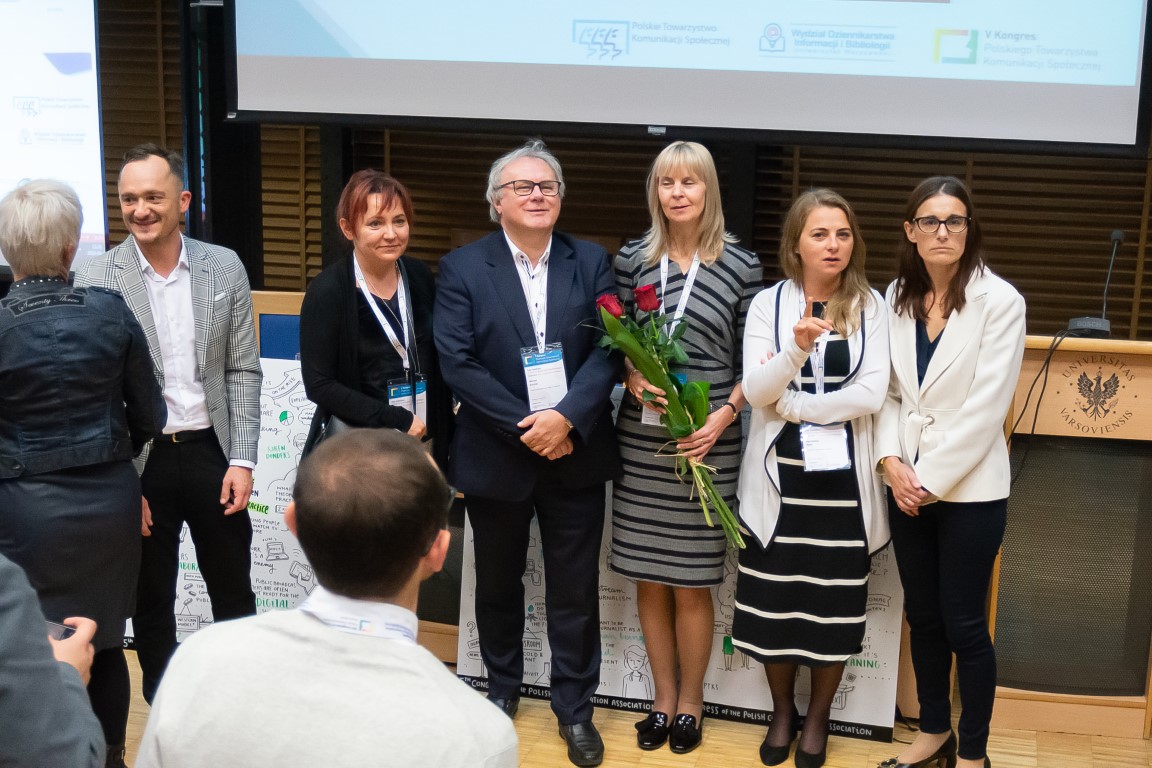
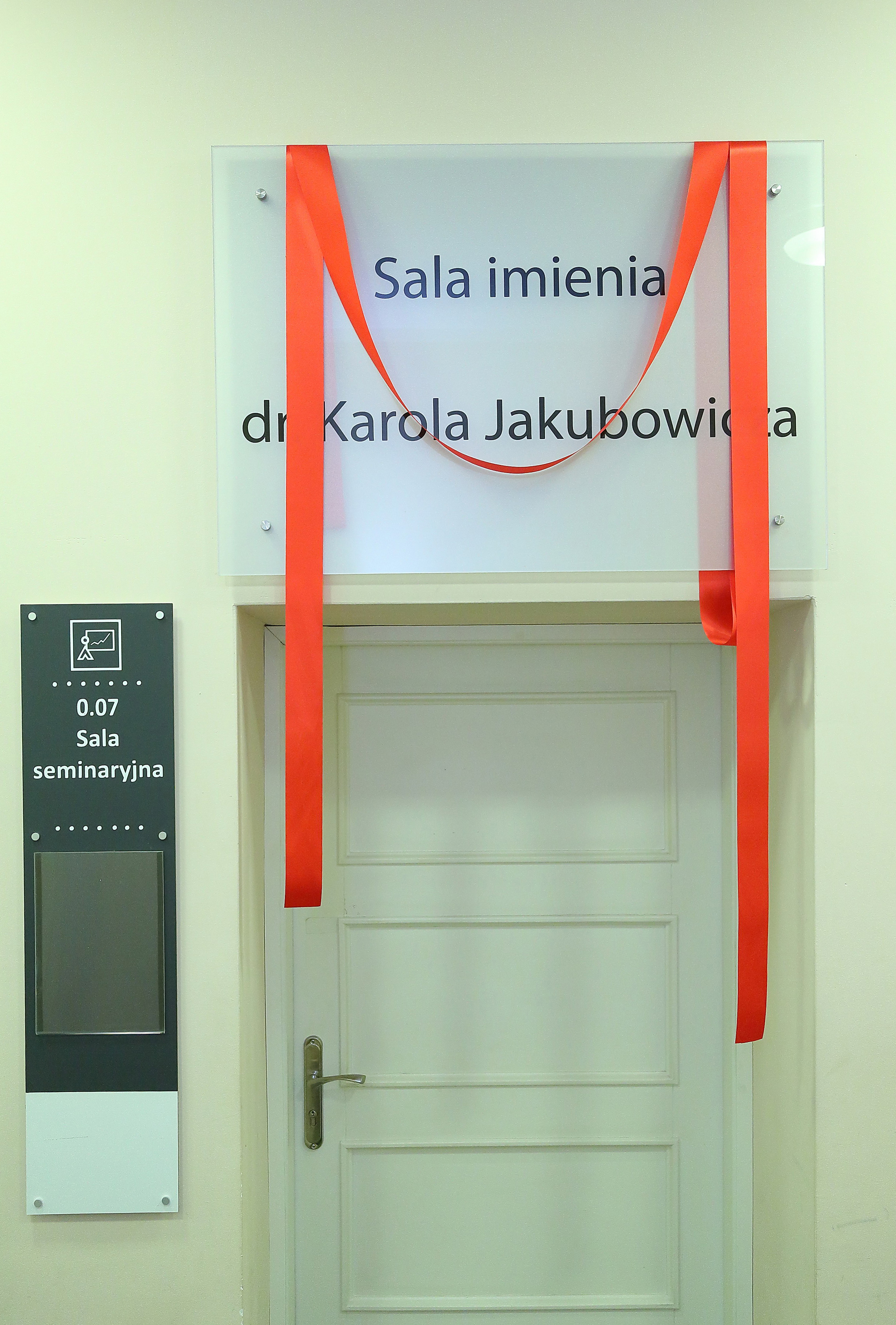
During the opening session of the Congress, awards of the PCA were presented. The Ph. D. Dissertation Award in 2018 was given to Maria Wąsicka-Sroczyńska (Adam Mickiewicz University in Poznań), and the honourable mention was awarded to Róża Norström (University of Wrocław, University of Silesia in Katowice). In the same session, Małgorzata Adamik-Szysiak (Maria Curie-Skłodowska University in Lublin) and Maria Łoszewska-Ołowska (University of Warsaw) became laureates of the Media and Democracy Karol Jakubowicz Award for the best monographs published in 2019 in the Human Rights, Media Accountability, Public Service Media, and Media Policies area. During the opening session, Honorary Membership of the PCA was granted to Bogusława Dobek-Ostrowska (University of Wrocław) and Zbigniew Oniszczuk (University of Silesia in Katowice). In addition, the in-memoriam speech dedicated to the late Walery Pisarek, an outstanding linguist and press expert, founding member and first Honorary Member of PCA, was given by Katarzyna Pokorna-Ignatowicz (Andrzej Frycz Modrzewski Krakow University).
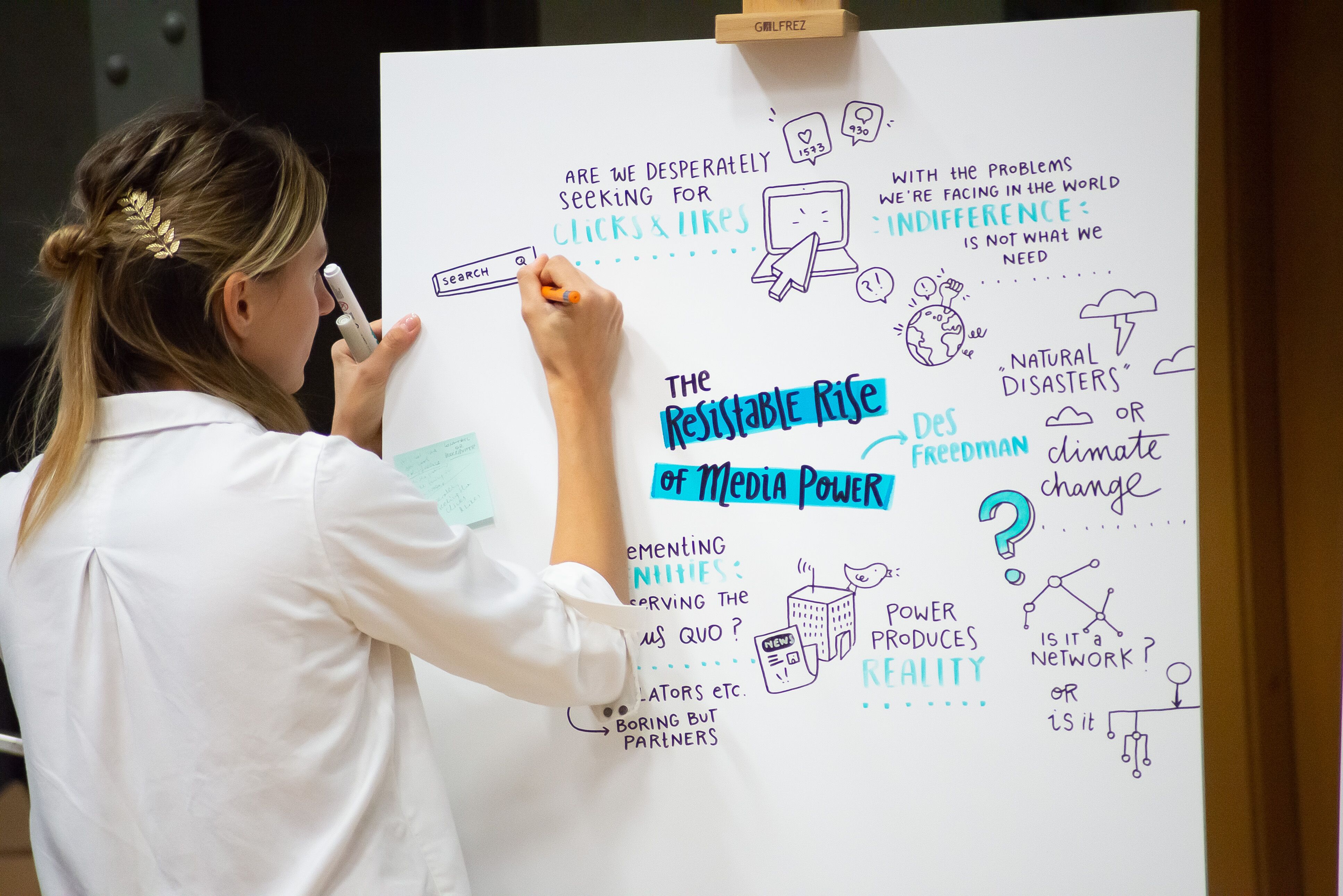
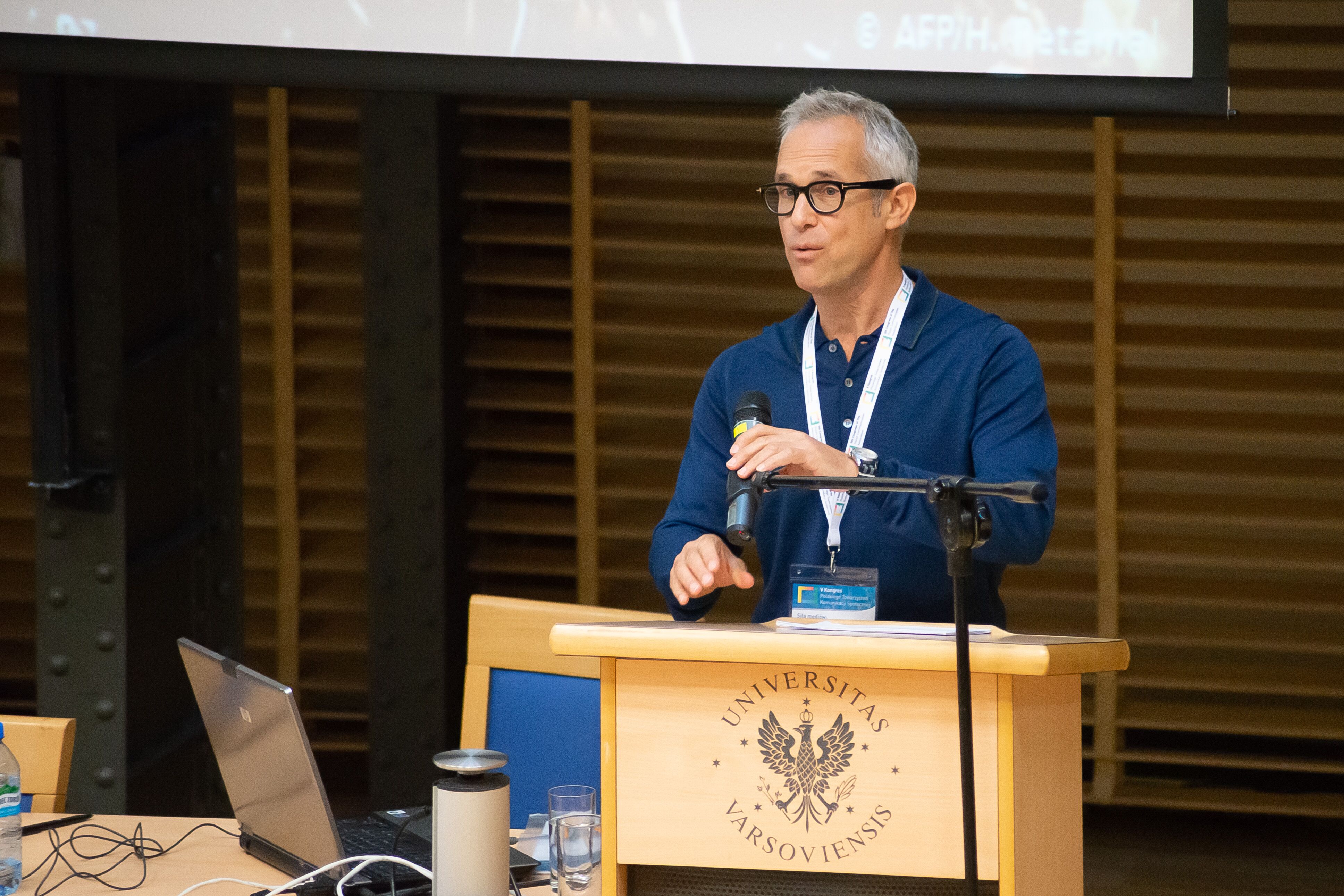
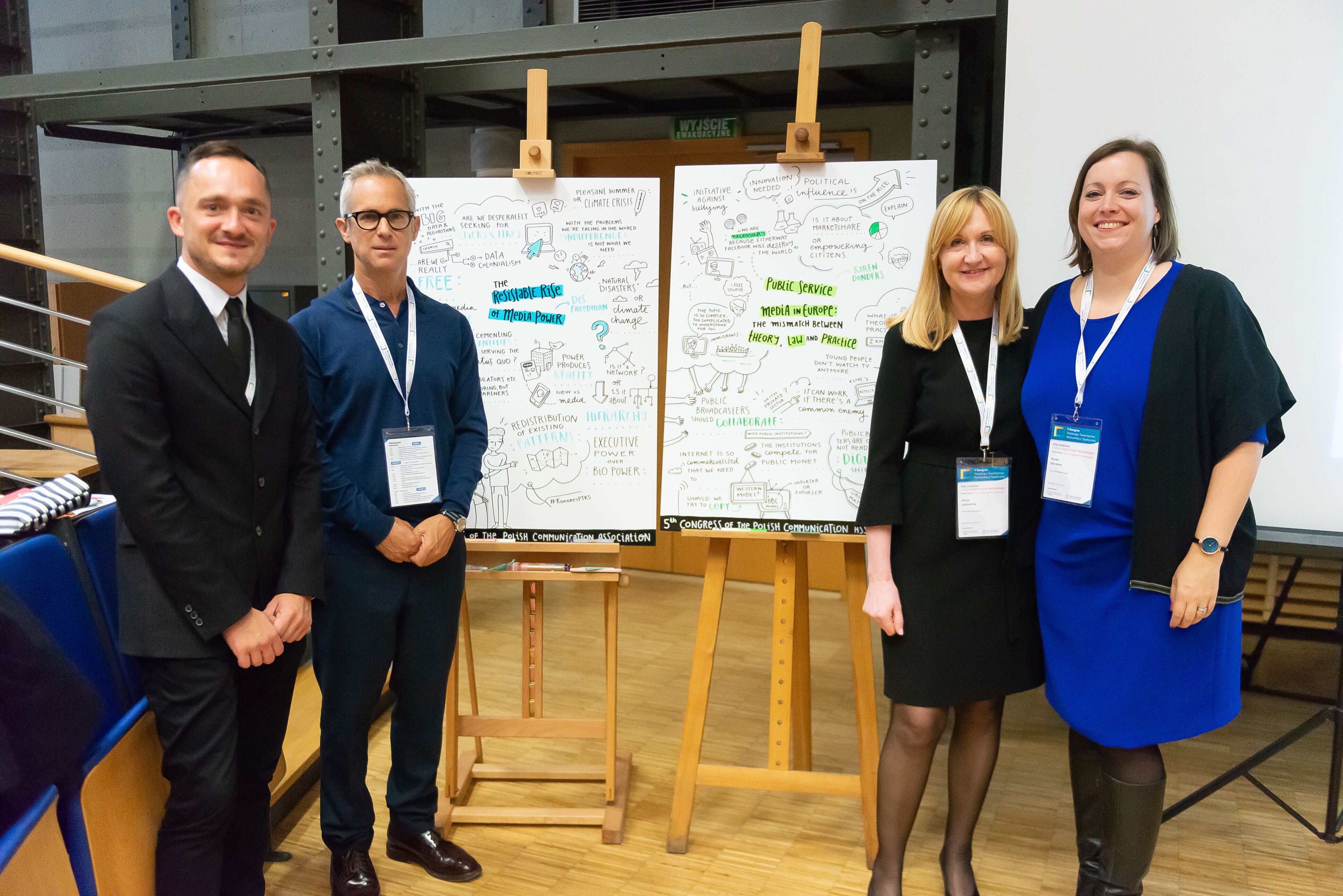
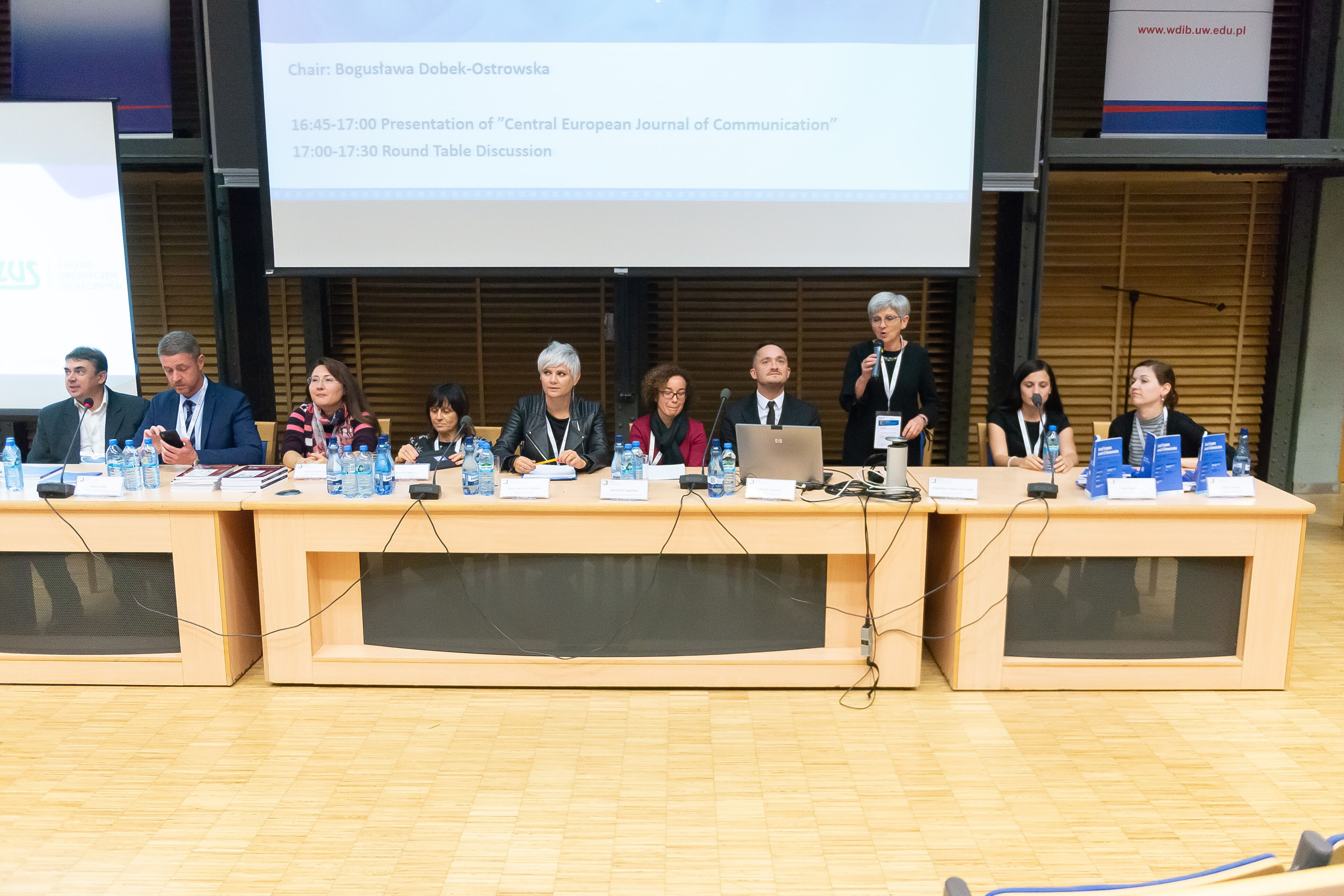
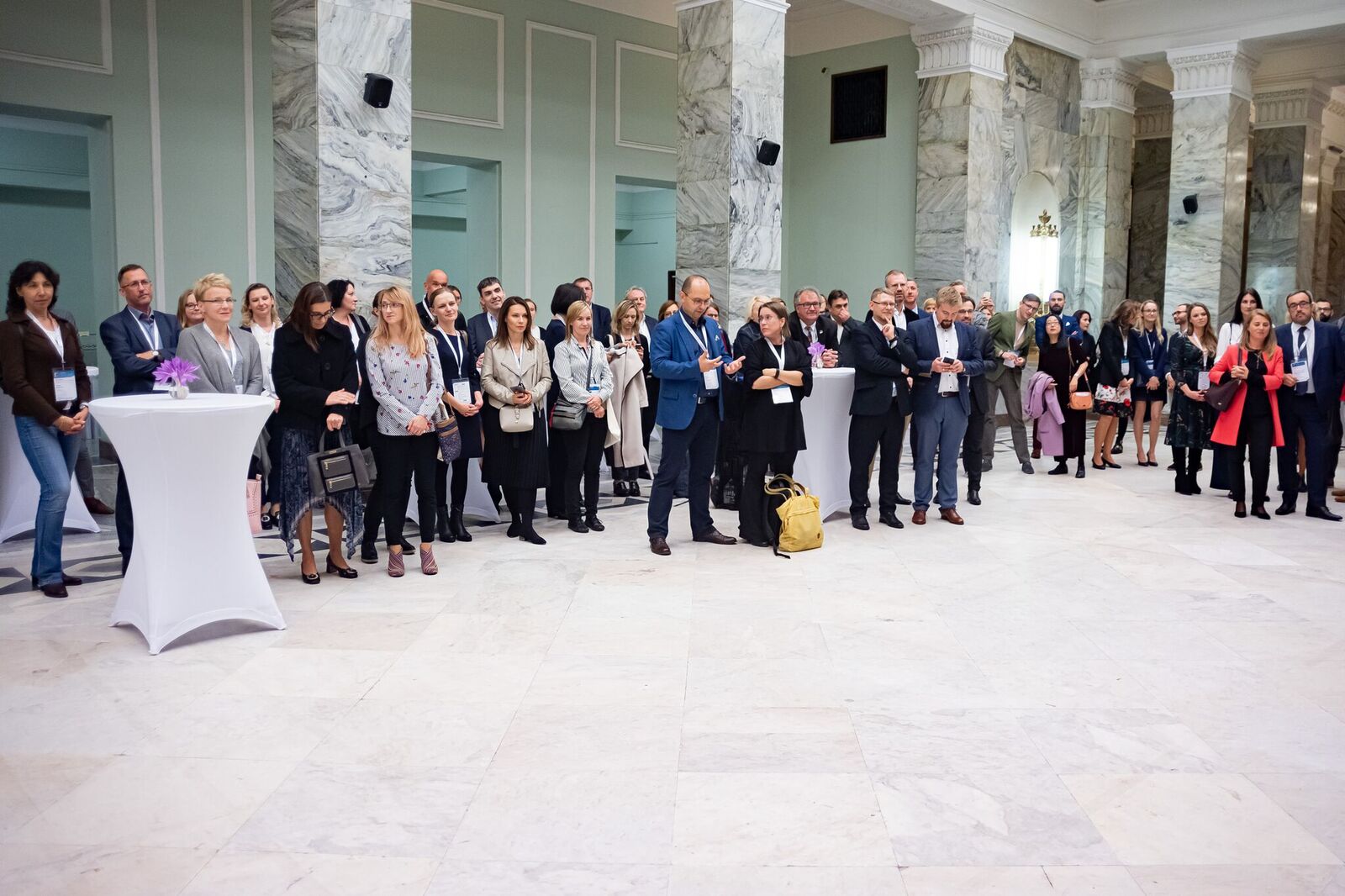
The first plenary session, entitled ‘The Rise of Media Power’, was chaired by Janusz W. Adamowski. It included two keynote speeches given by Des Freedman (Goldsmiths, University of London) and Karen Donders (Vrije Universiteit Brussel). Later on, the first roundtable discussion took place: its main focus was the landscape of scientific magazines from Central and Eastern Europe focused on media and communication and it was chaired by Bogusława Dobek-Ostrowska. The first day of the Congress ended with a dinner at the Marble Hall of the Palace of Culture and Science, hosted by the Mayor of the City of Warsaw.
Day 2: Media Context
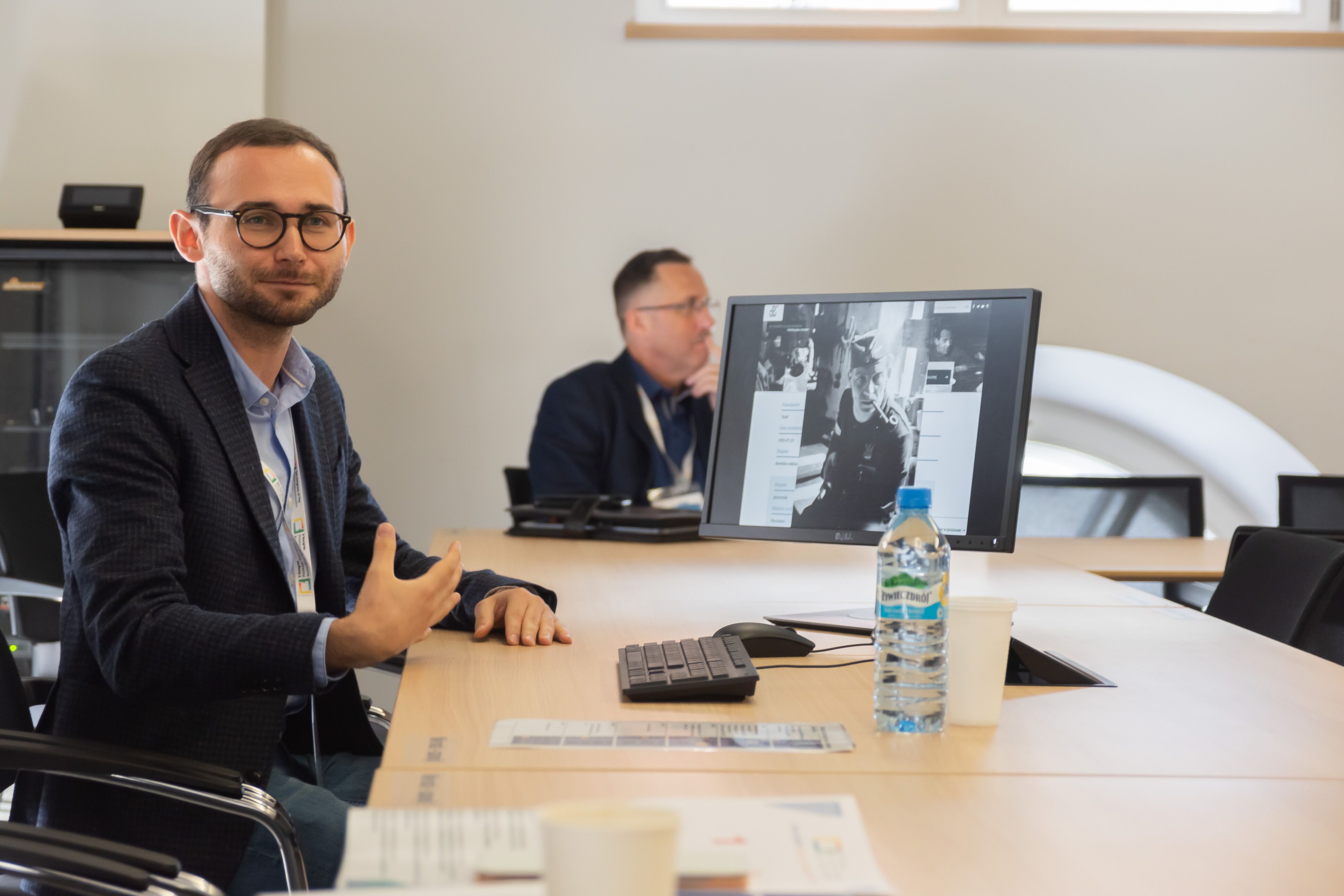
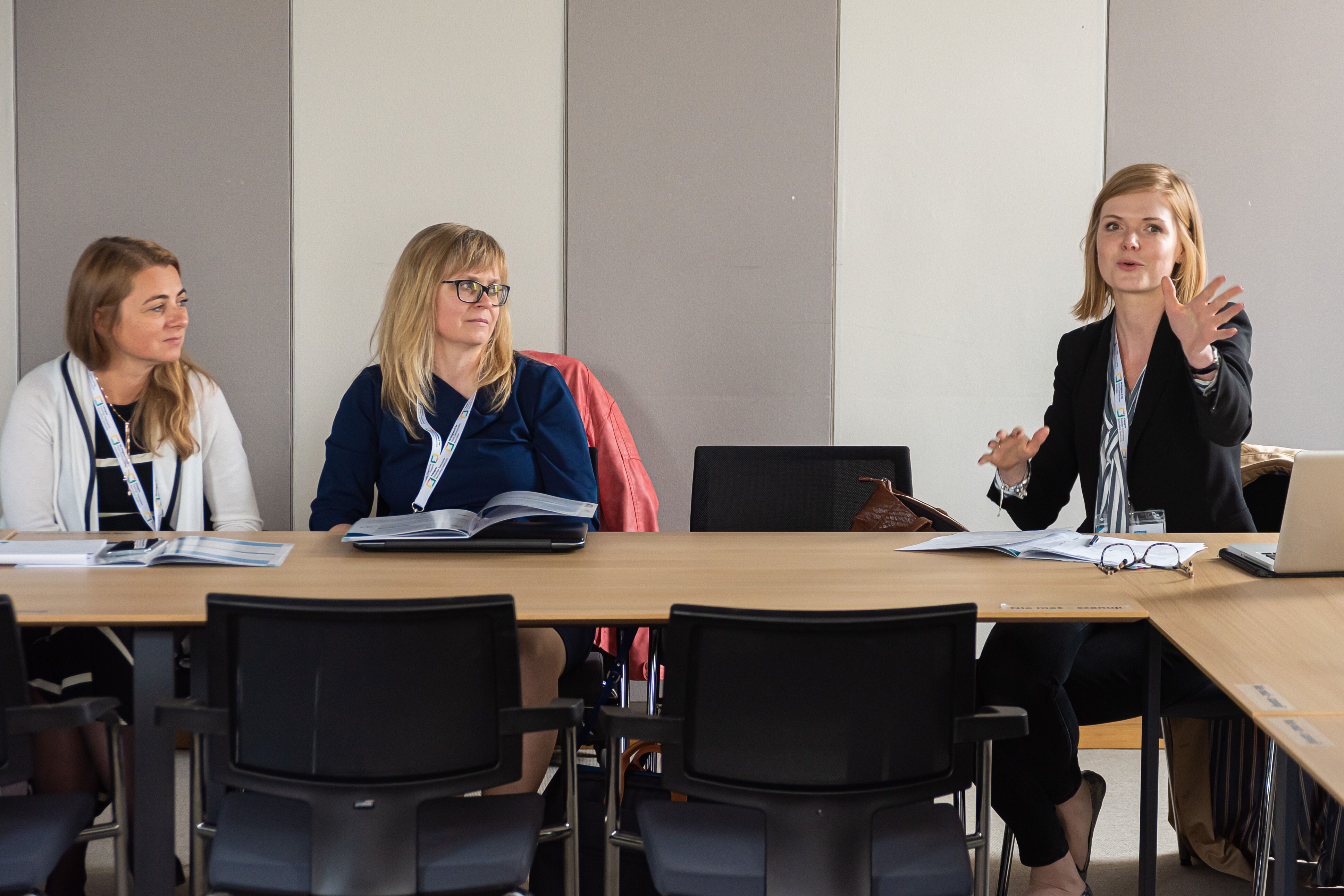
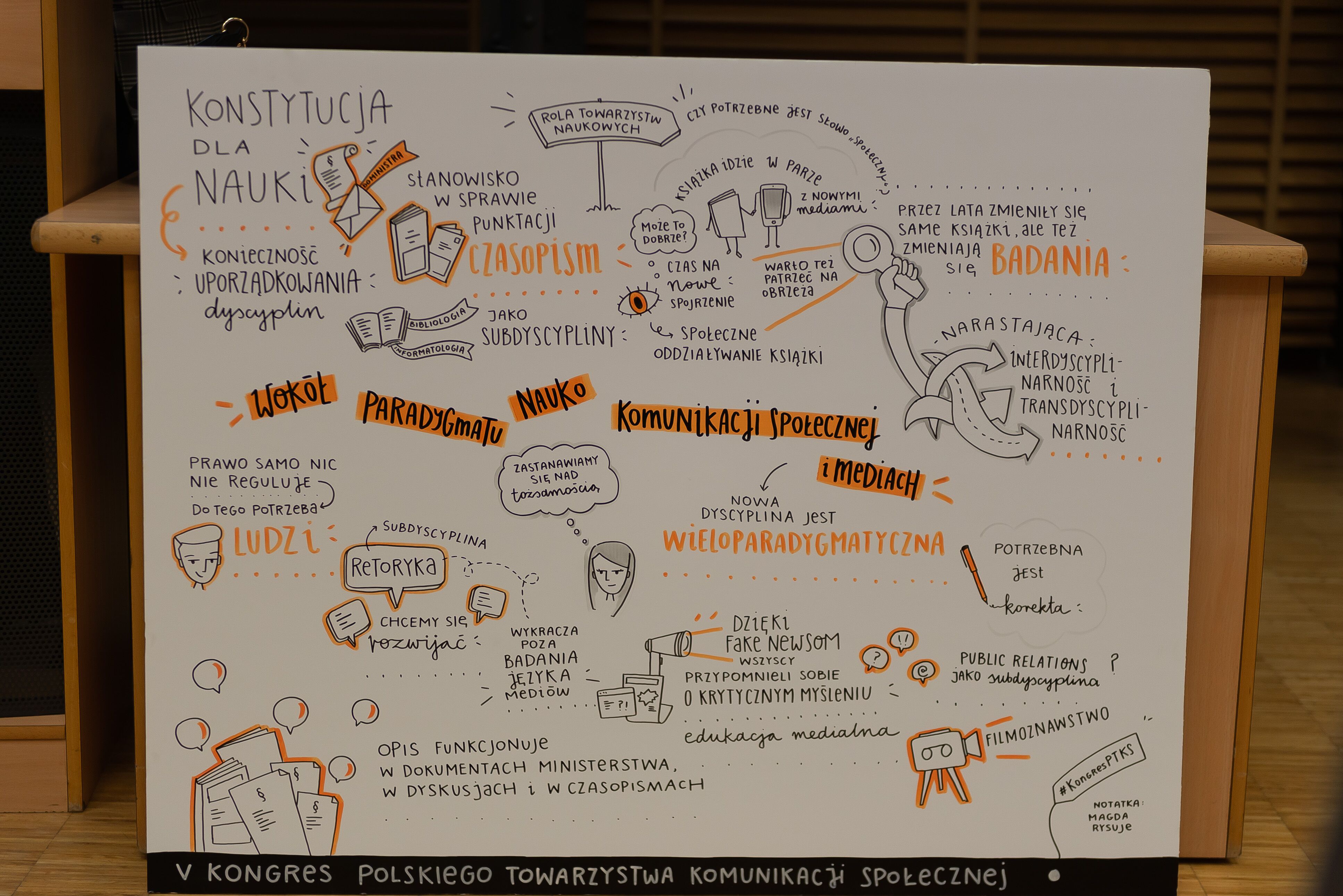
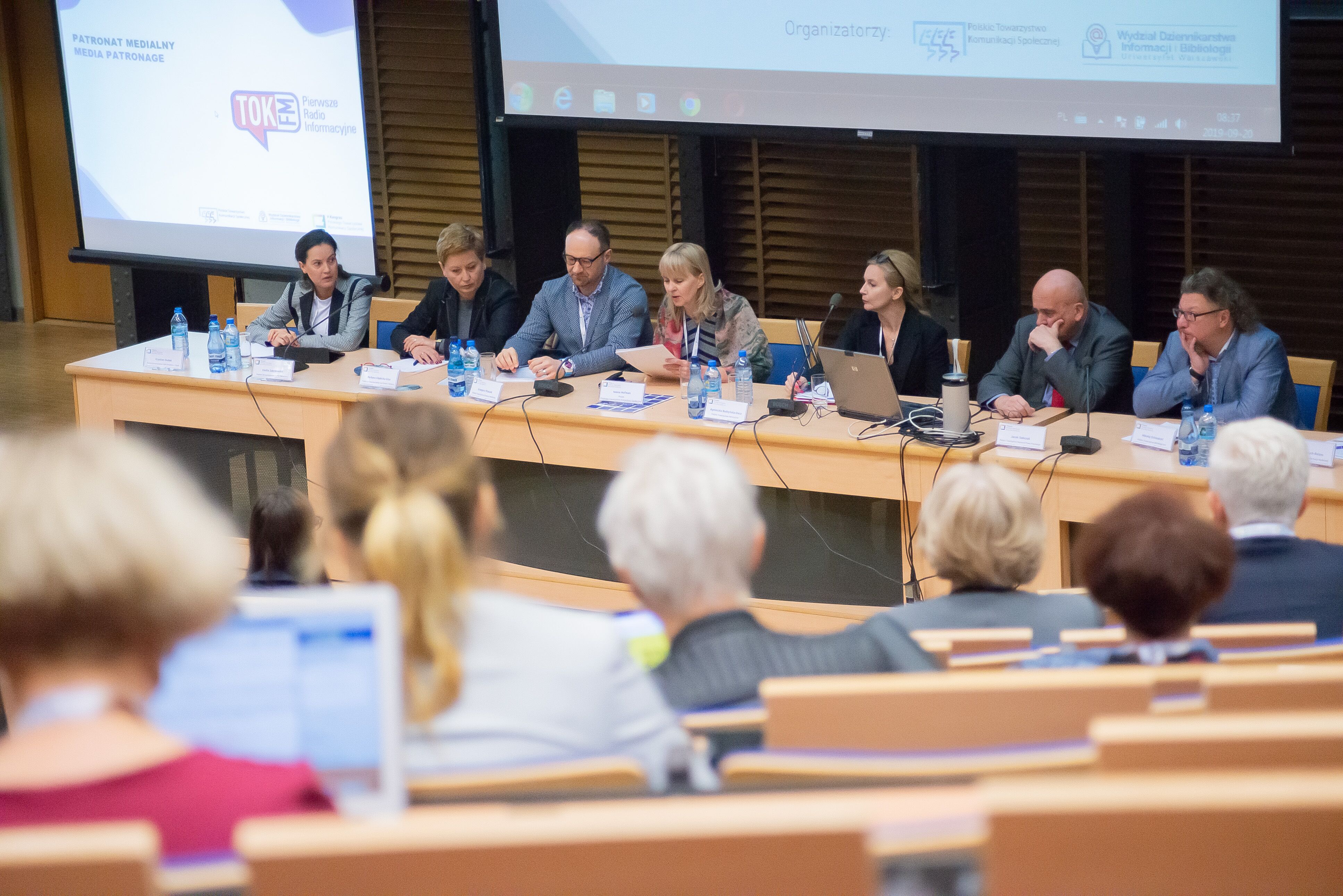
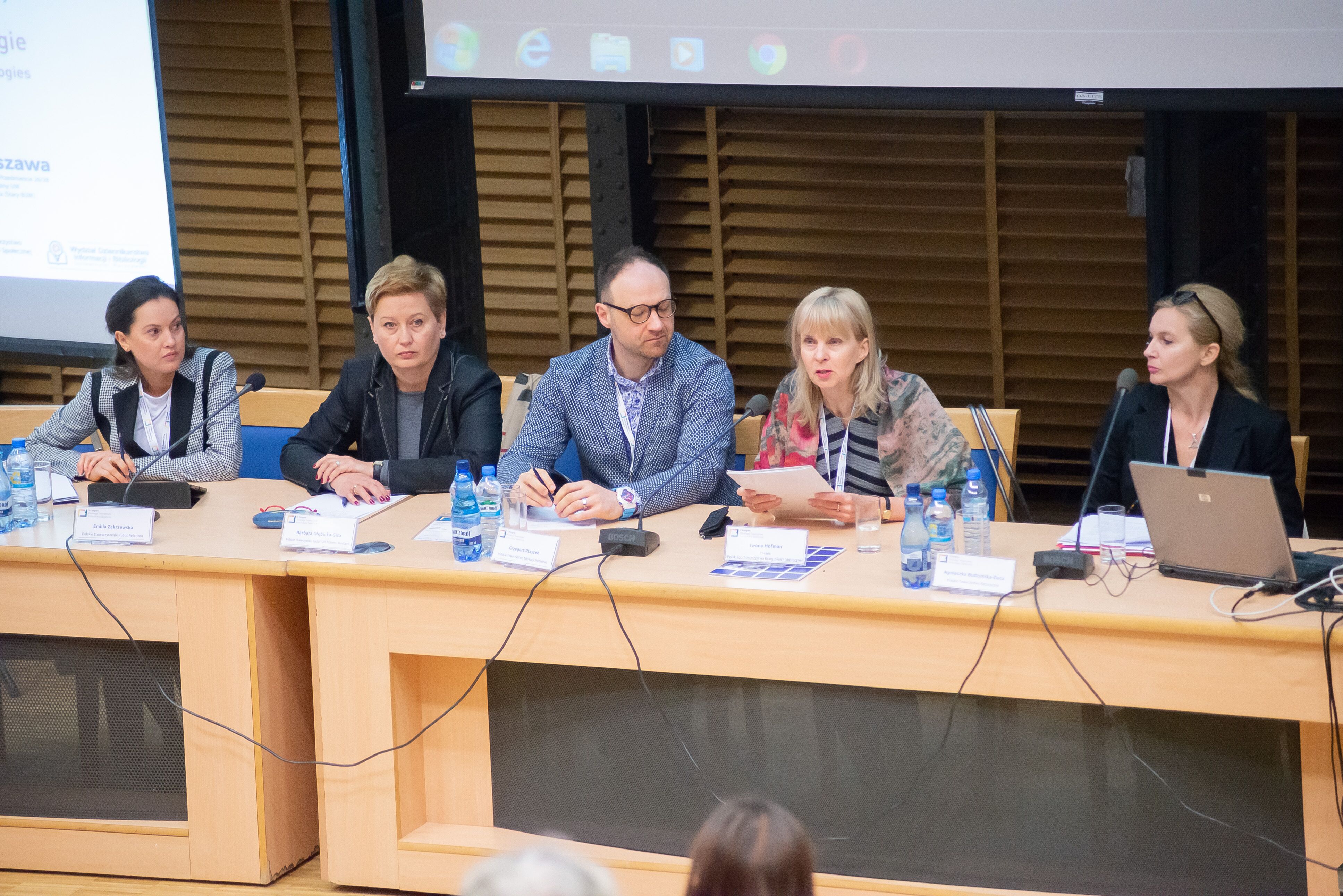
The second day of the Congress began with the roundtable discussion entitled ‘In Search of the Paradigm of Social Communication and Media Studies’, attended by representatives of scientific associations: Agnieszka Budzyńska-Daca (University of Warsaw, Polish Rhetorical Society), Krystian Dudek (University of Silesia in Katowice, Polish Public Relations Association), Barbara Głębicka-Giza (of the SWPS University of Social Sciences and Humanities, Polish Society for Film and Media Studies), Mikołaj Ochmański (University of Warsaw, Polish Bibliological Association), Grzegorz Ptaszek (AGH University of Science and Technology, Polish Media Education Association), Diana Pietruch-Reizes (Jagiellonian University, Polish Society for Information Science), Jacek Sobczak (Adam Mickiewicz University in Poznań, Polish Press Law Association) and Emilia Zakrzewska (Polish Public Relations Association). The meeting was chaired by Iwona Hofman.
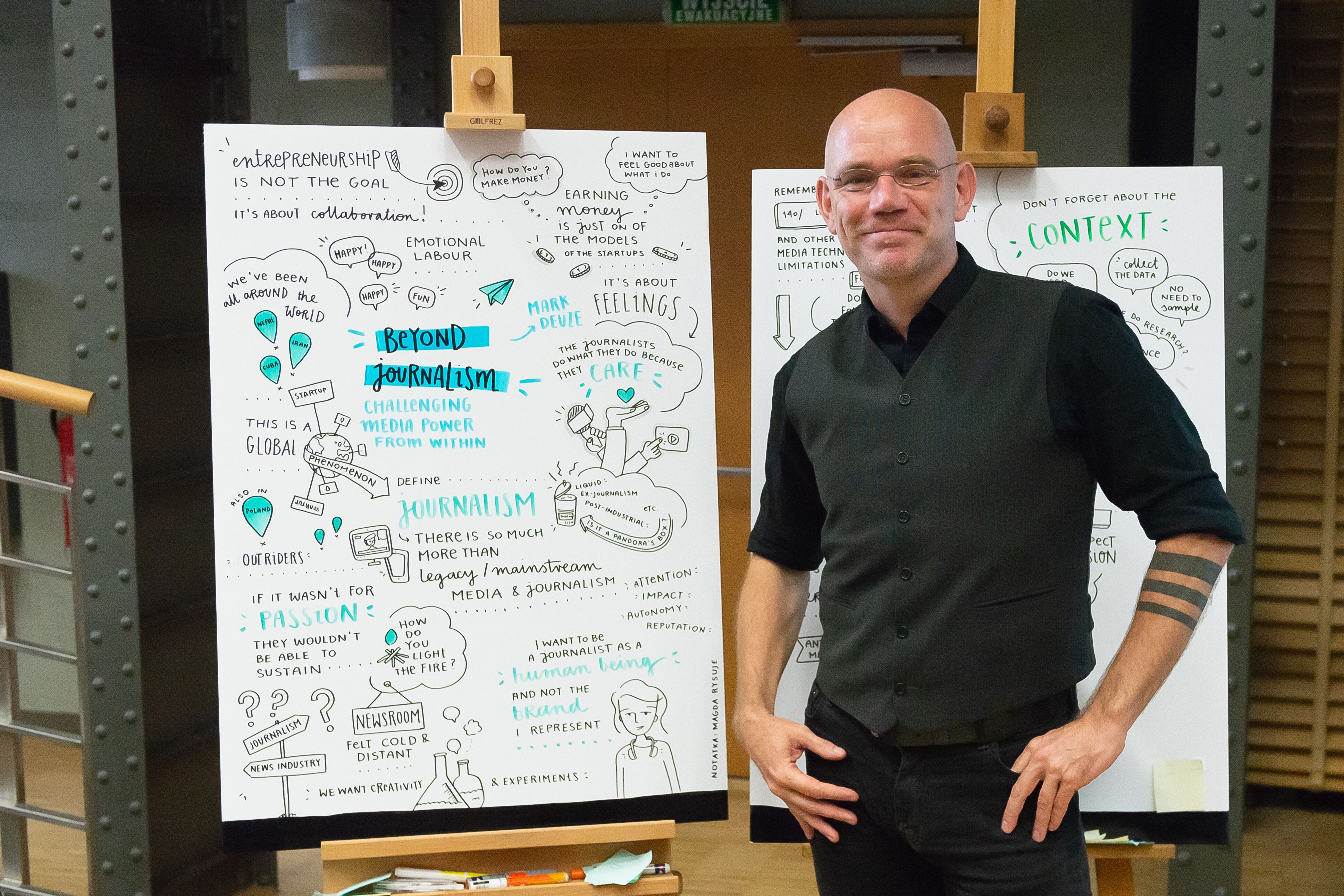
The second plenary session entitled ‘The Power of Journalism and Media Context’ and chaired by Michał Głowacki (University of Warsaw) followed. It included two keynote speeches given by Mark Deuze (University of Amsterdam) and Svetlana Bodrunova (St. Petersburg State University).
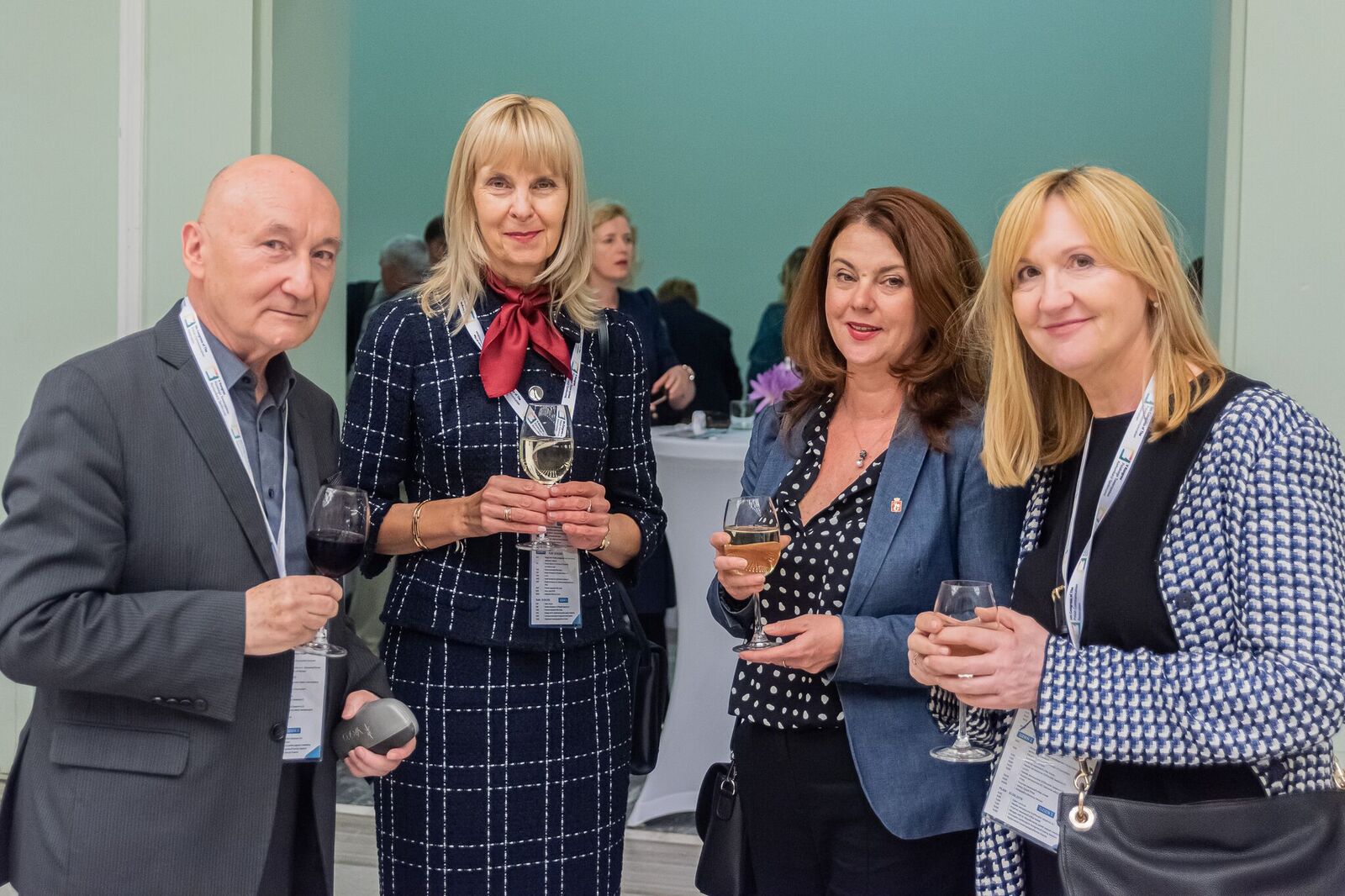
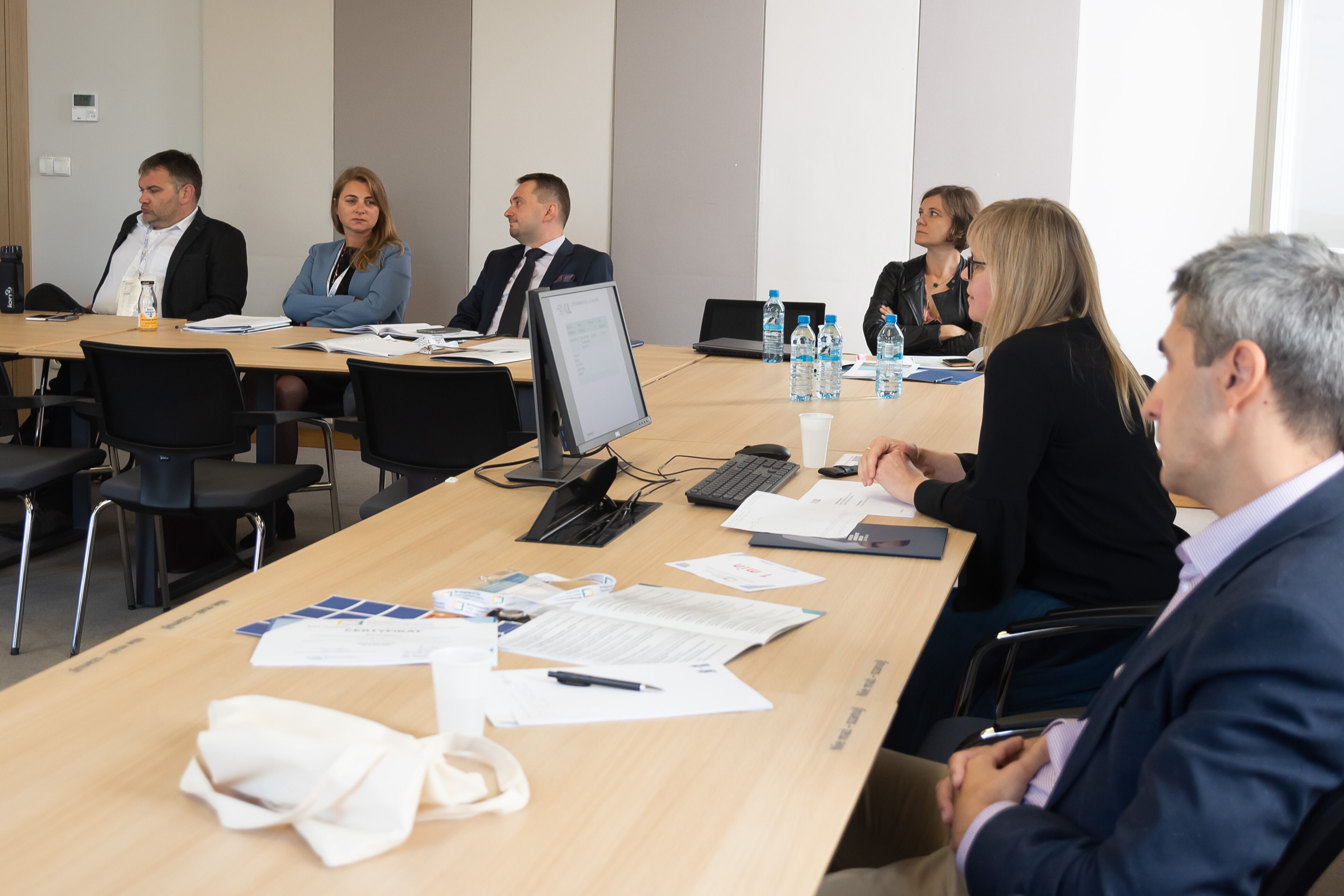
Parallel sessions launched after the second plenary focused on the issues related to media systems, the power of social media, methods of media research, media sociology, journalistic ethics, and the future of the press. In addition to this, conference participants were also able to discuss the research on media in culture, contemporary political discourse, and religious communication via social media. It was followed by meetings of nineteen research sections of the PCA, in which members of the Association took part. The second day of the Congress ended with a conference dinner at the Column Hall of the Faculty of History of the University of Warsaw, during which participants had an unusual opportunity to attend a concert of the University of Warsaw Choir.
Day 3: Media Practice
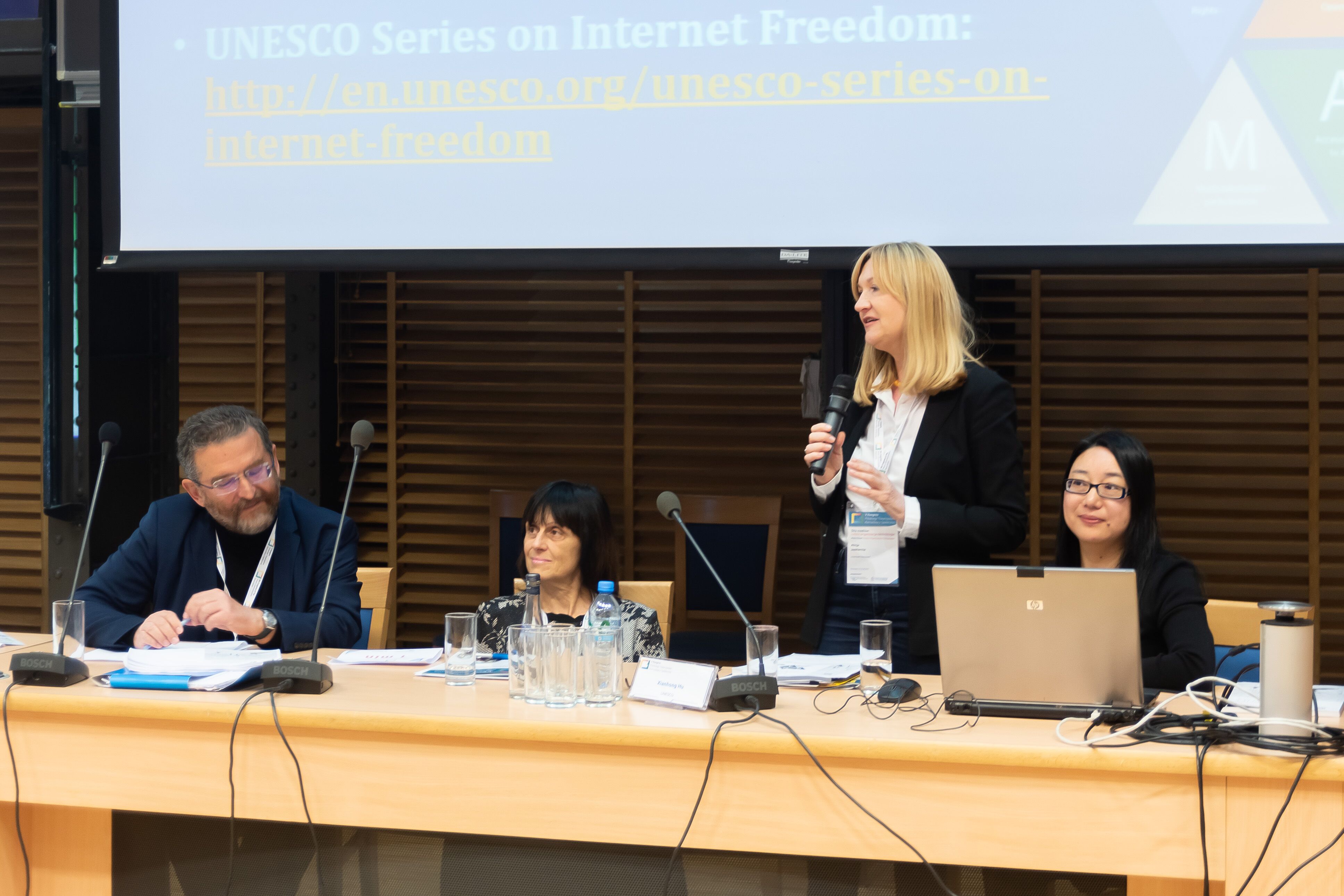
The last day of the Congress began with an open lecture given by Xianhong Hu (UNESCO) on ROAM-X indicators. The accompanying discussion was moderated by Alicja Jaskiernia and attended by Bissera Zankova (Media 21 Foundation) and Tomasz Komorowski (Polish National Commission for UNESCO). Participants of the Congress also took part in the last round of parallel sessions, during which the focus was on the matter of mass communication, media history, new media, and media language.
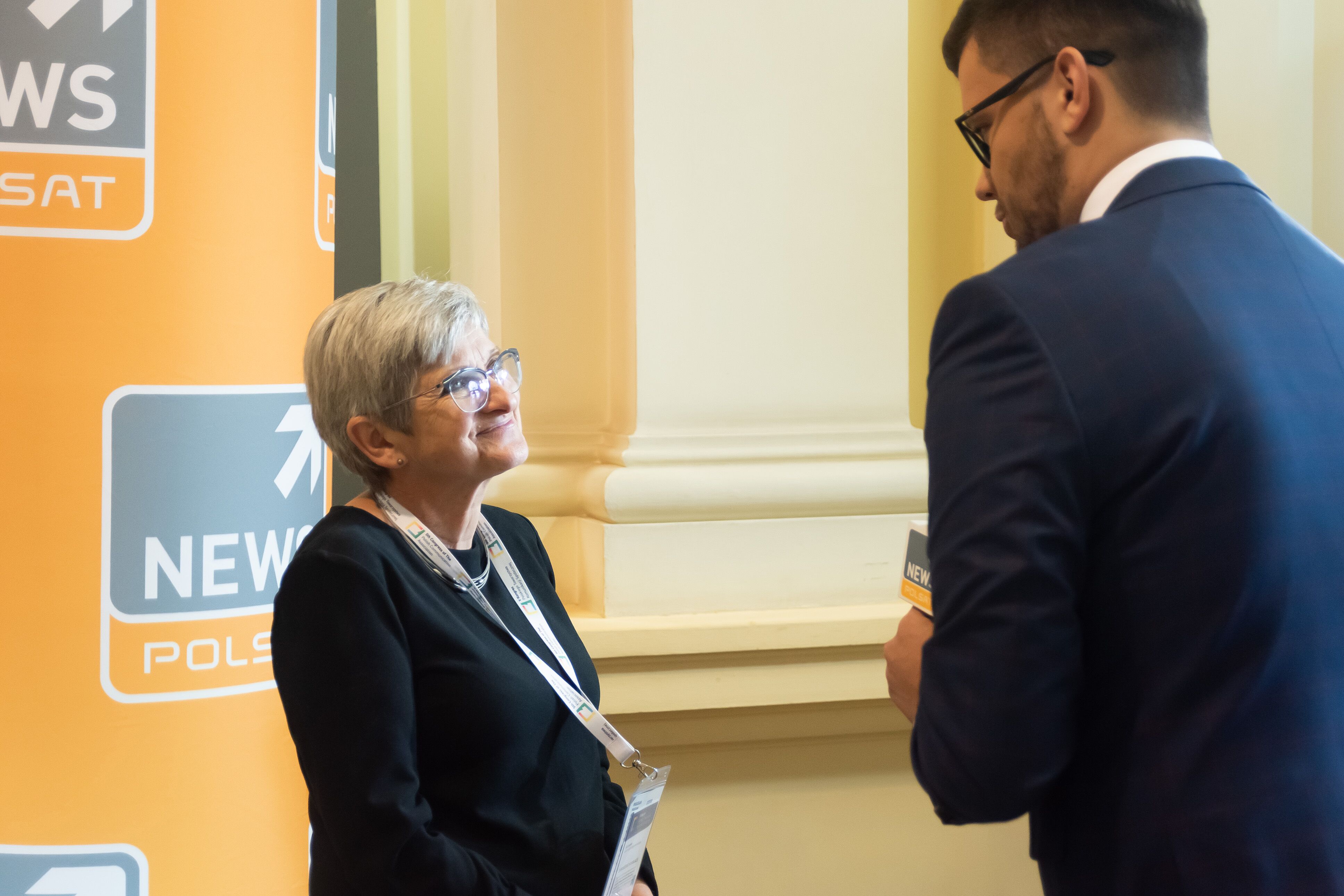
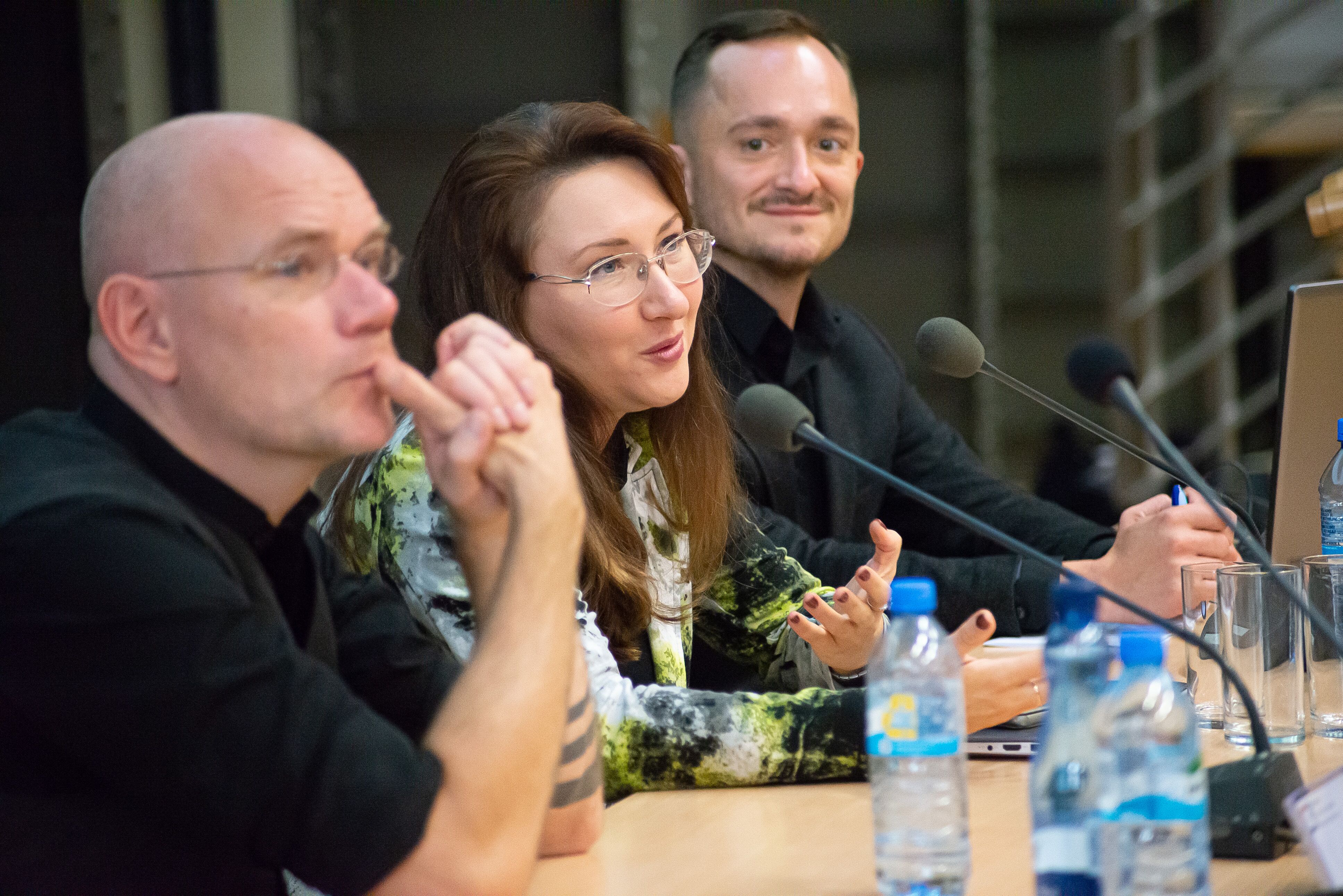
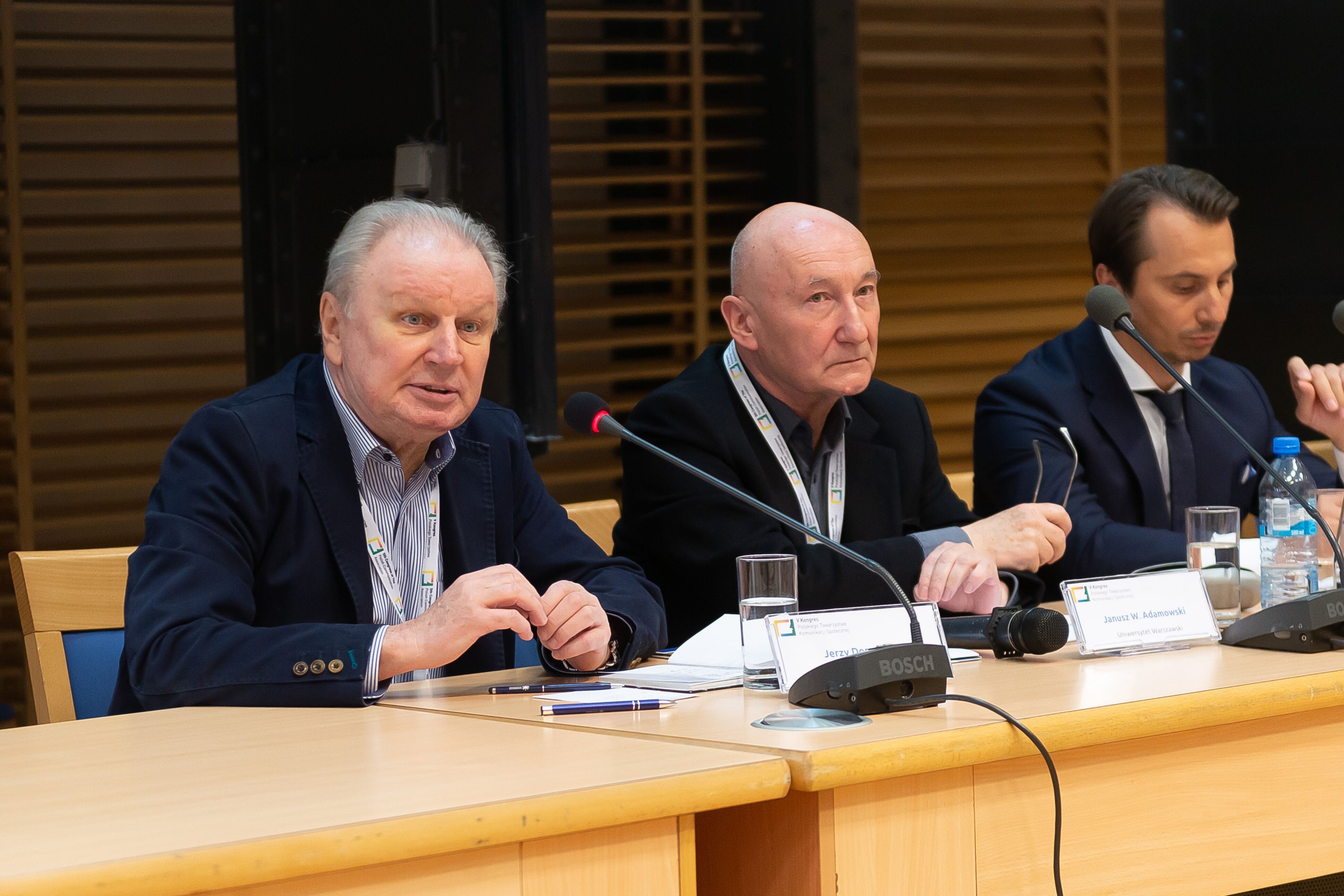
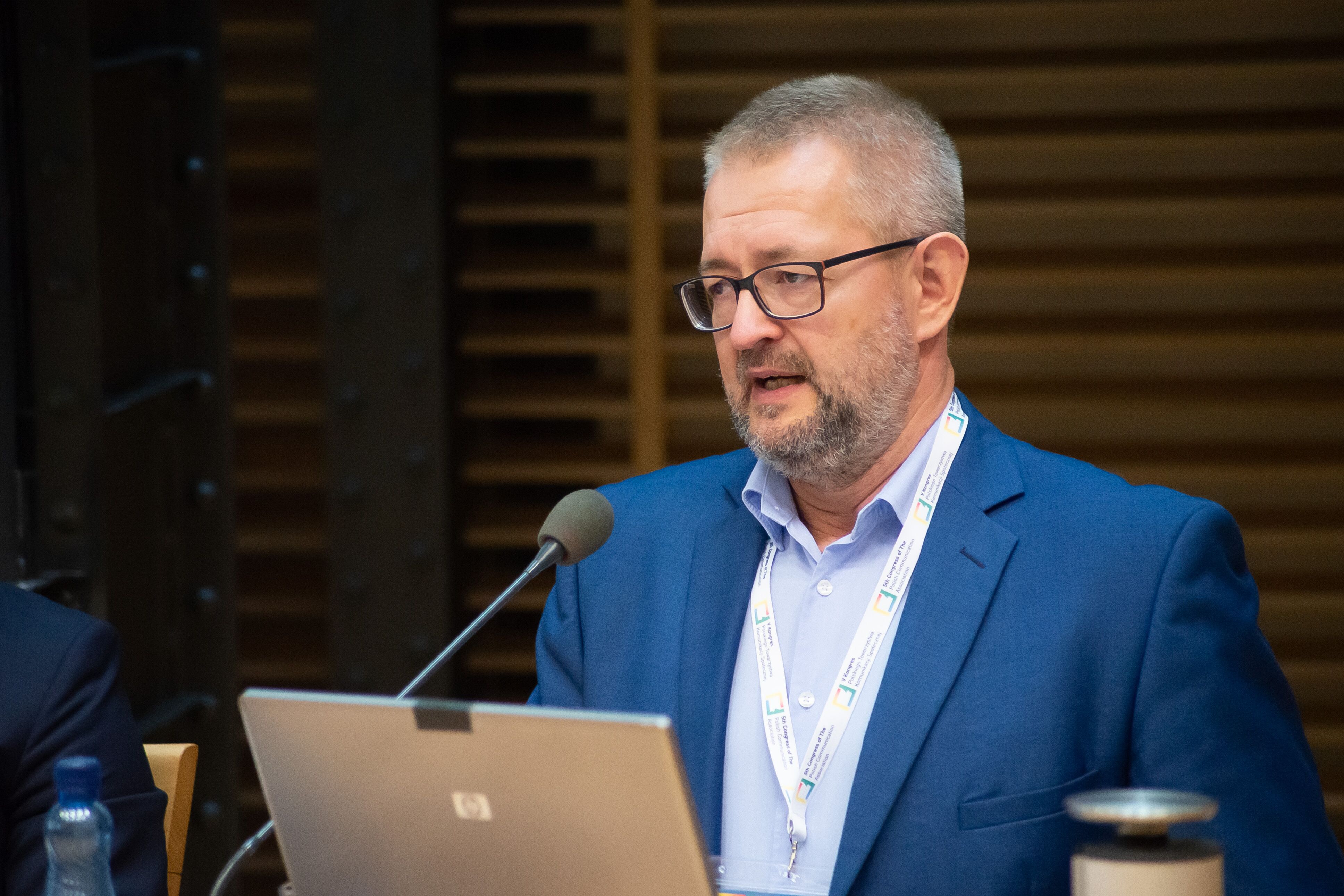
The roundtable discussion on the third day of the Congress was dedicated to the contemporary Polish media landscape. The debate moderated by Janusz W. Adamowski was attended by Dariusz Ociepa (Polsat News) and Rafał Ziemkiewicz ("Do Rzeczy").
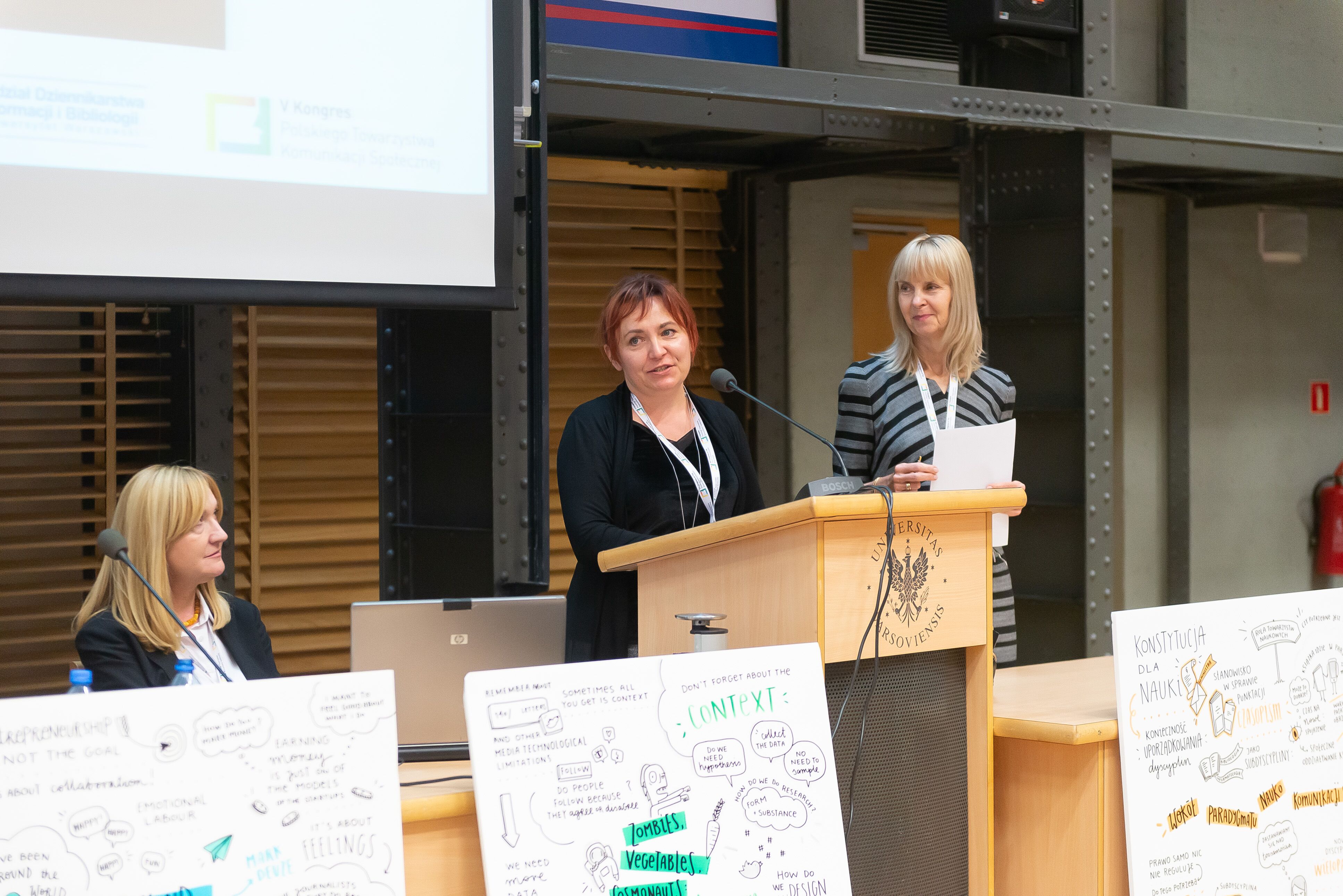
The closing ceremony of the Congress was led by Alicja Jaskiernia; Michał Głowacki and Anna Jupowicz-Ginalska (University of Warsaw) made a summary of the discussions over the three days. It was announced that the 6th Congress of the Polish Communication Association will be hosted by the University of Gdańsk and will take place in Gdańsk in 2022.
General Assembly of the PCA
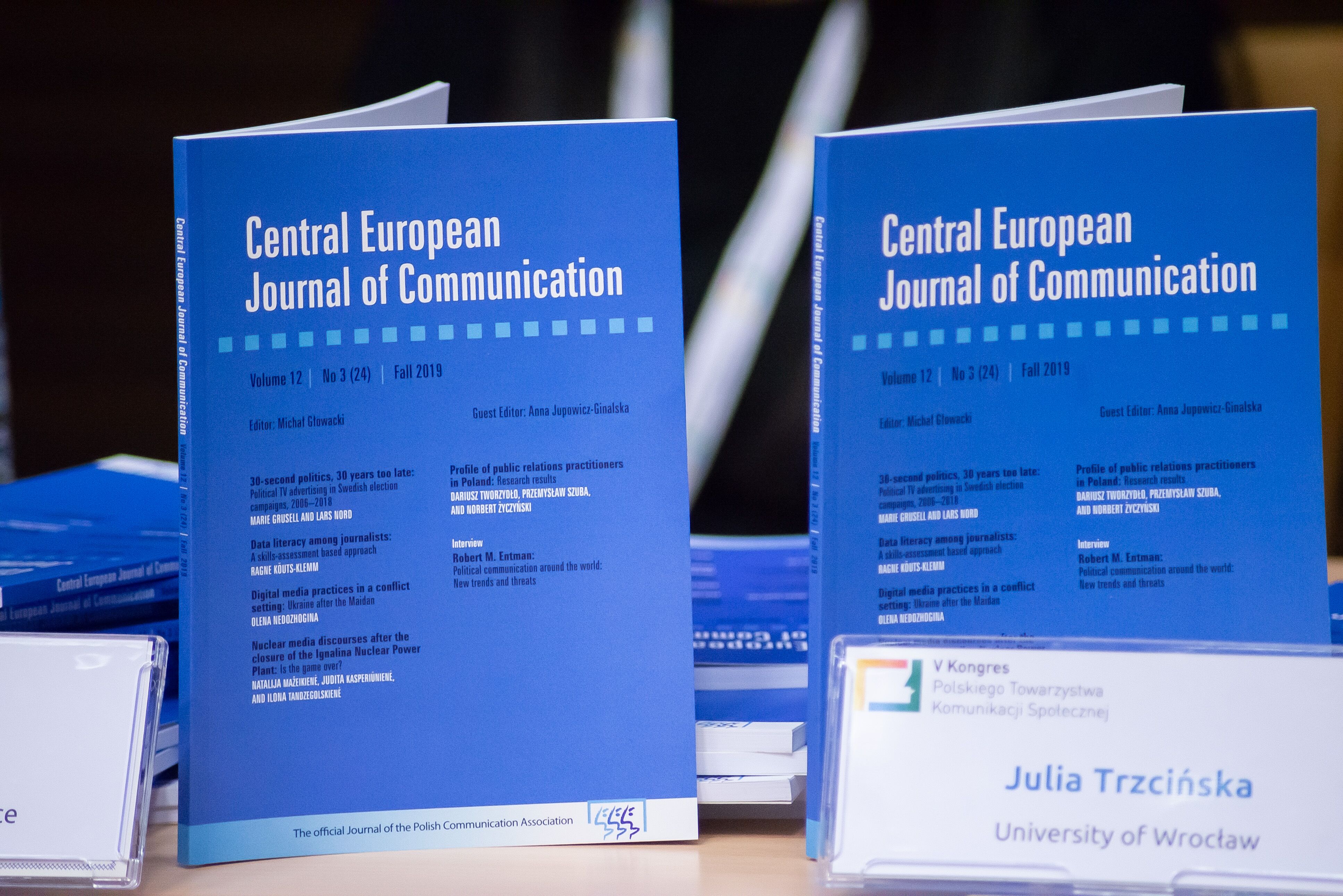
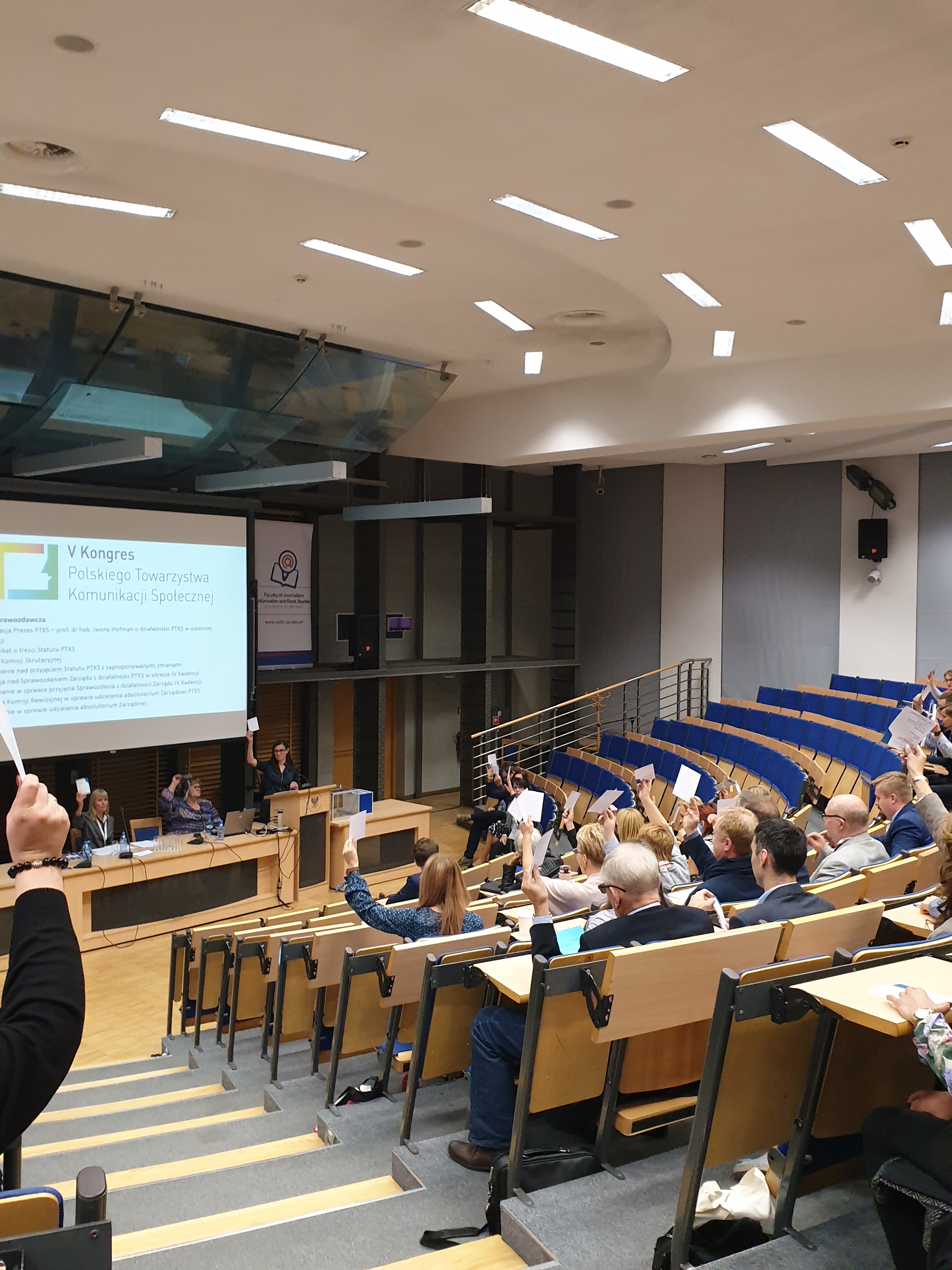
The General Assembly of the Polish Communication Association was organised during the second day of the conference. Members of the Polish Communication Association elected the authorities of the PCA. Iwona Hofman was re-elected the President of the Polish Communication Association. The following members of the Polish Communication Association were elected to join the PCA Executive Committee: Małgorzata Adamik-Szysiak (Maria Curie-Skłodowska University in Lublin), Michał Drożdż (The Pontifical University of John Paul II in Kraków), Agnieszka Hess (Jagiellonian University), Katarzyna Kopecka-Piech (University of Wrocław), Małgorzata Łosiewicz (University of Gdańsk), and Marek Mazur (University of Silesia in Katowice). Members of the Revision Committee were also elected. In addition, the General Assembly elected Michał Głowacki for the position of Editor-in-Chief of the Central European Journal of Communication, the journal published by the PCA. During the General Assembly, new activities of the society were also established.
Social Events
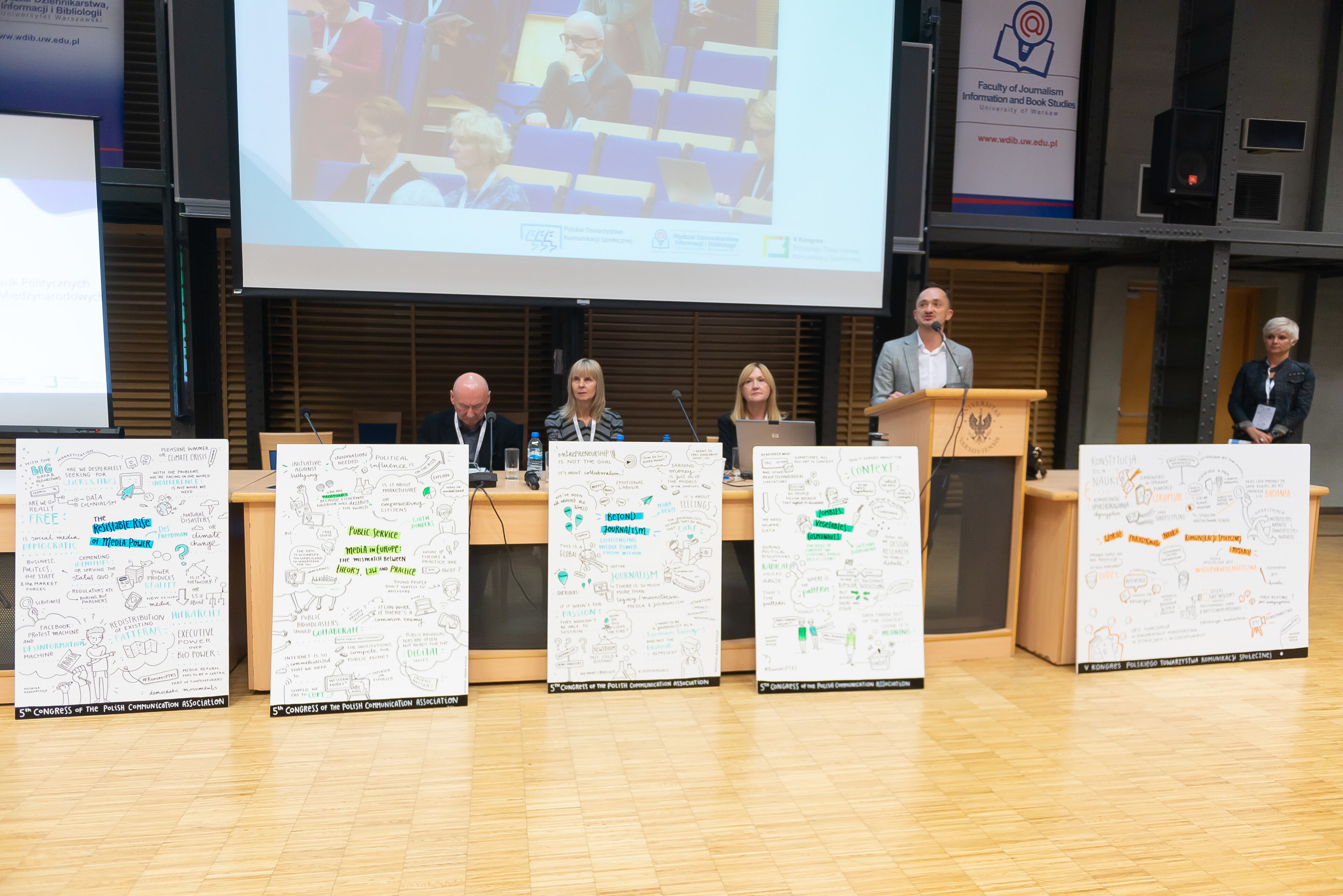
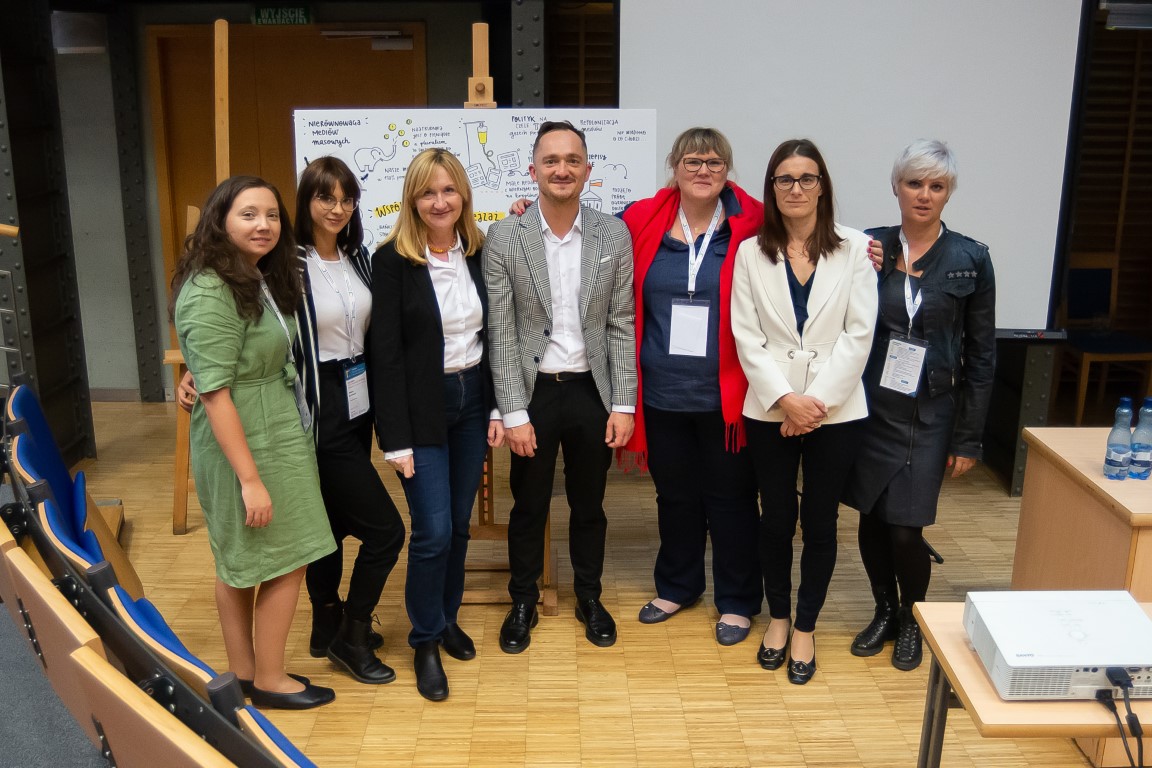
During the conference participants had a chance to visit the Laboratory of Media Studies of the University of Warsaw and take part in a guided tour of the Old Town of Warsaw. International researchers were invited to visit the POLIN Museum of the History of Polish Jews. Selected plenary sessions and roundtable discussions were illustrated by live graphic recorders: Magdalena Arażny and Dorota Kostkowska from the creative duo #THeINKERS.
Text: Dagmara Sidyk, Marlena Sztyber
Photos by: Anna Zapolska-Downar, Paweł Brzeziński, the Faculty of Journalism, Information and Book Studies, University of Warsaw
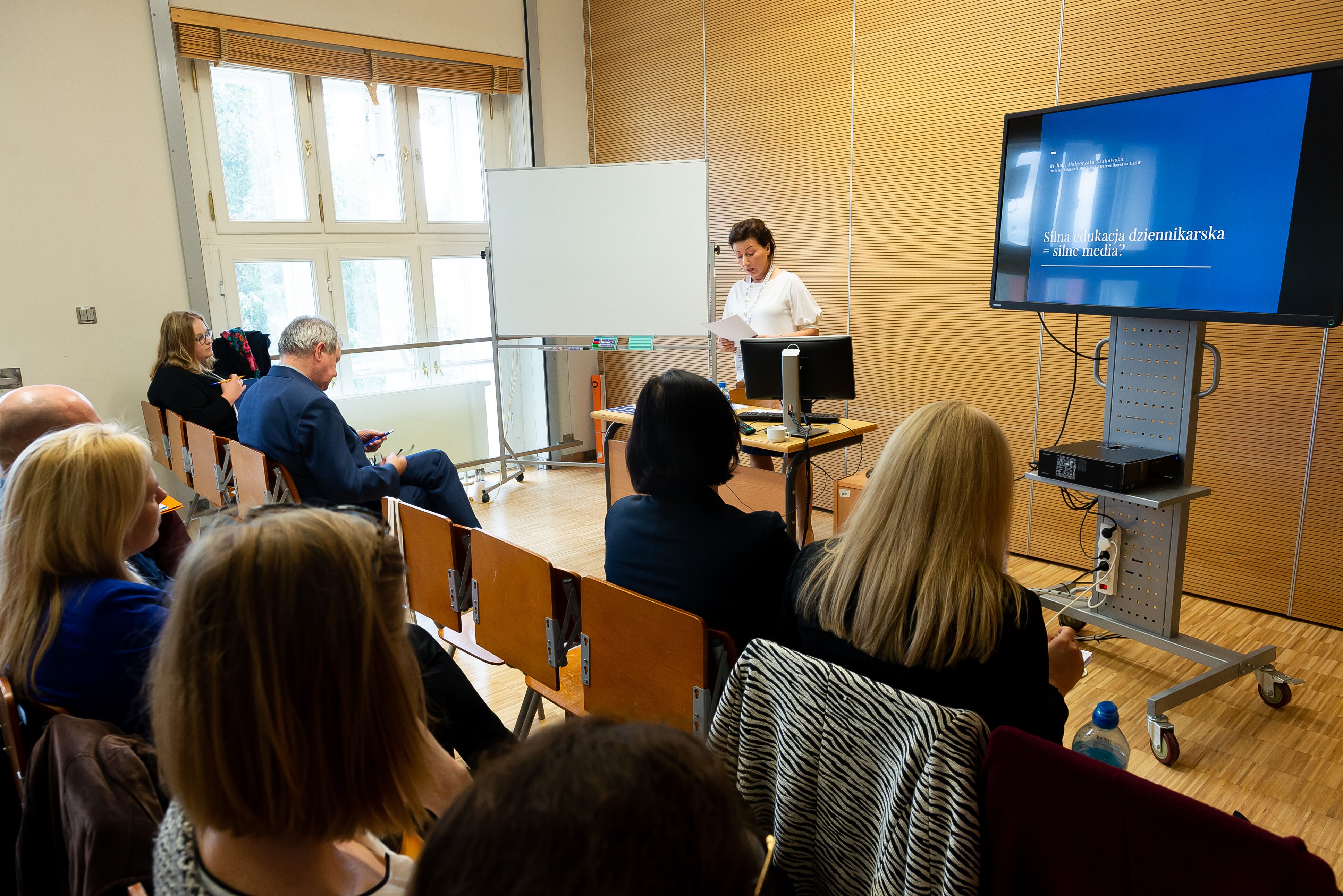
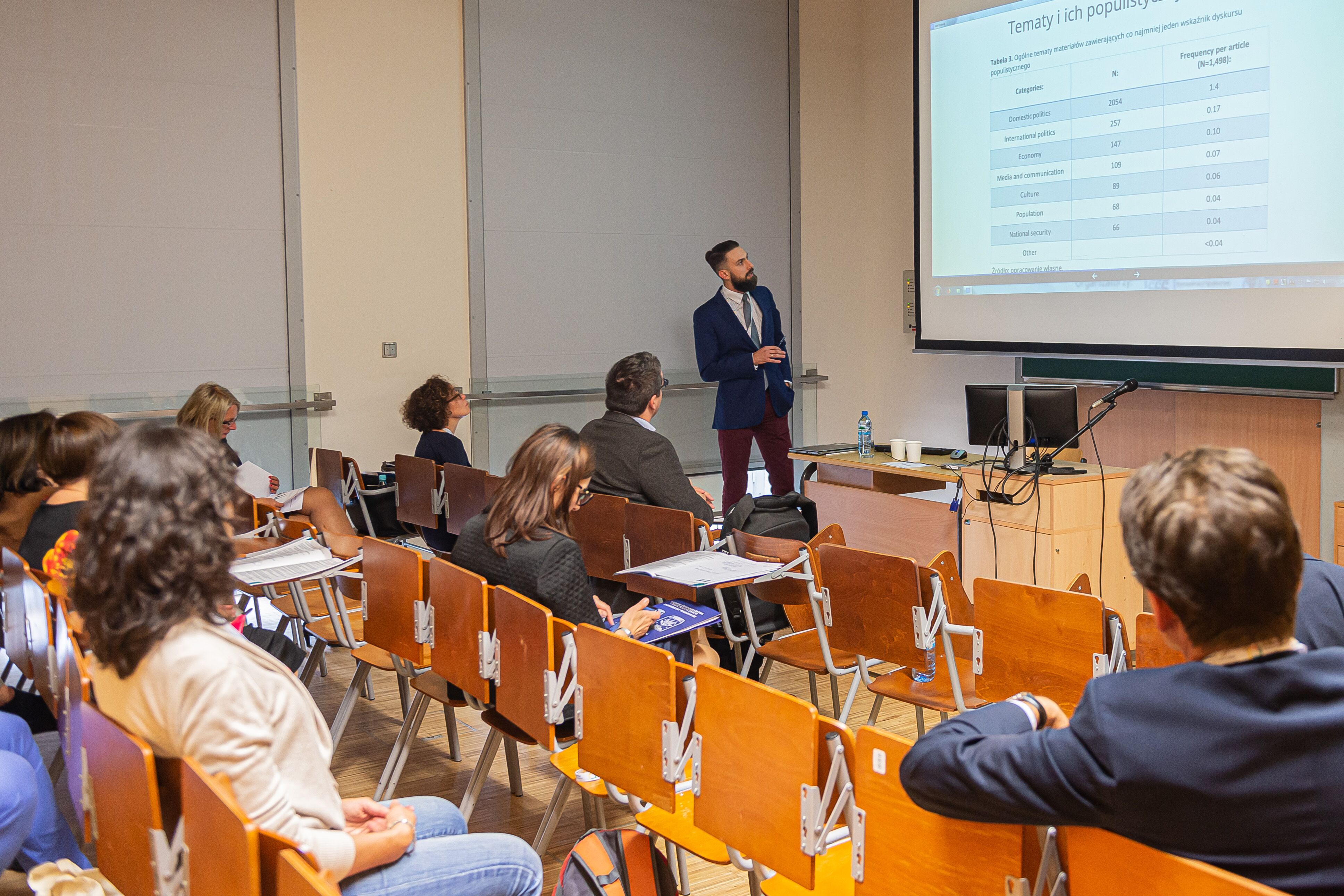
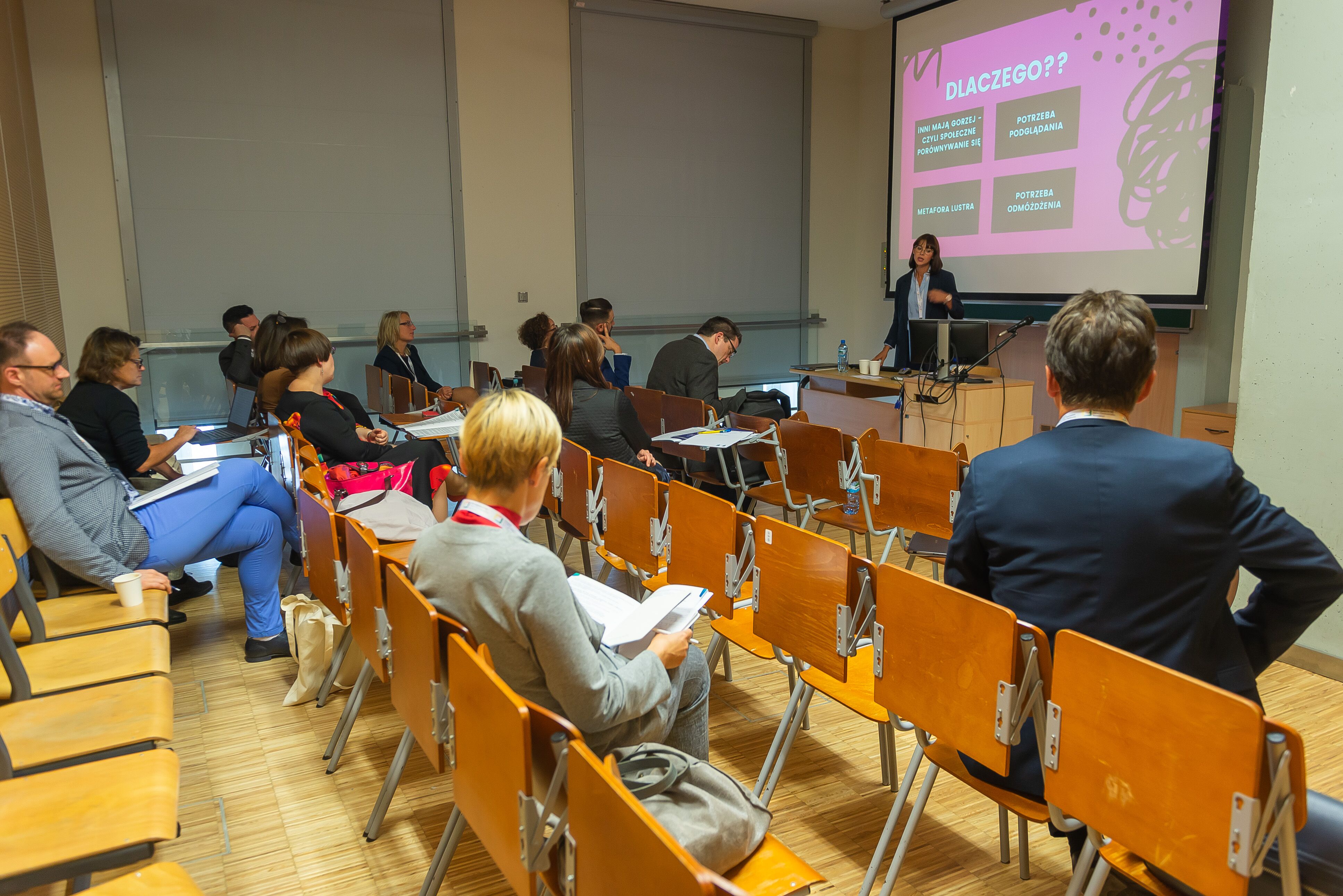
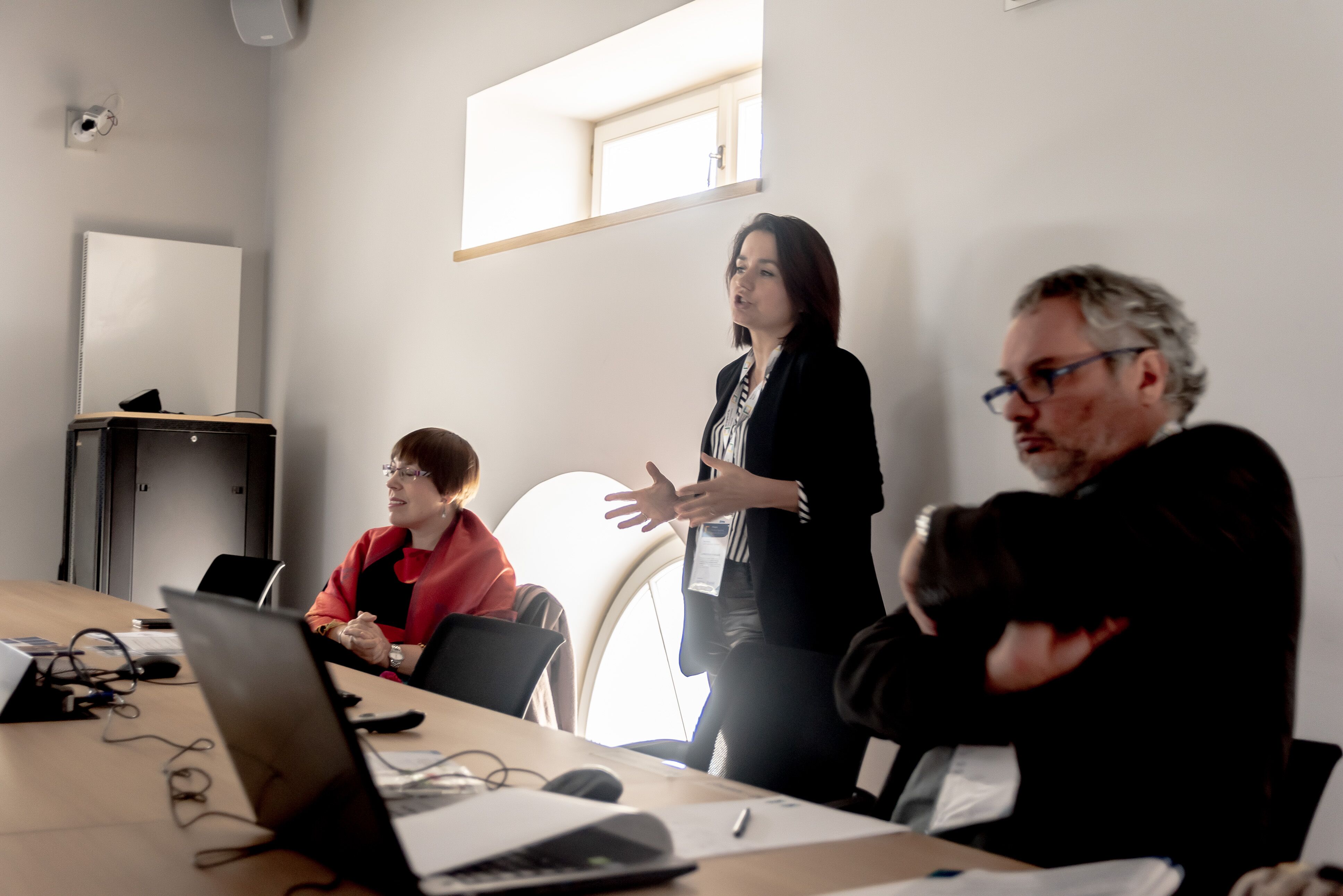
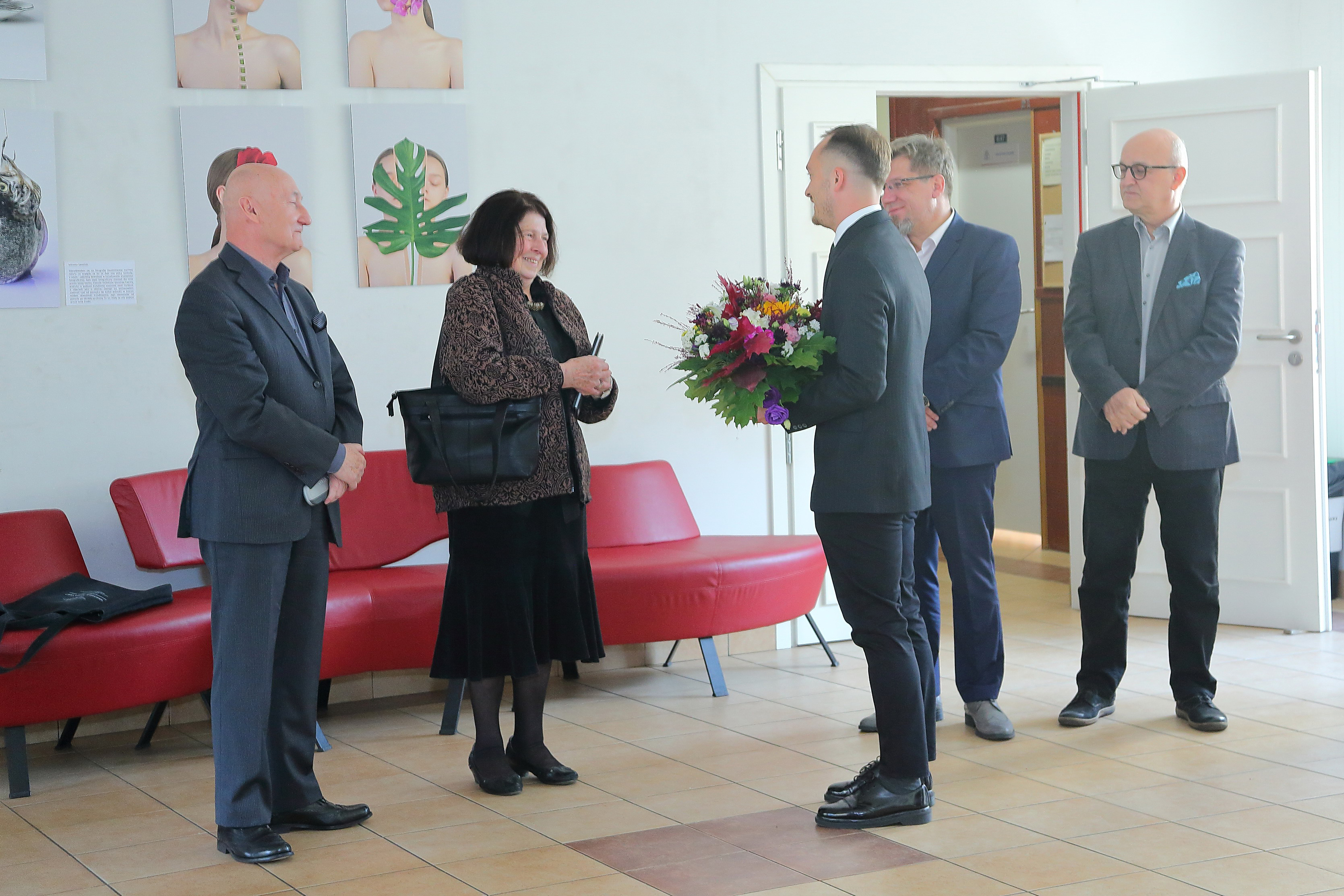
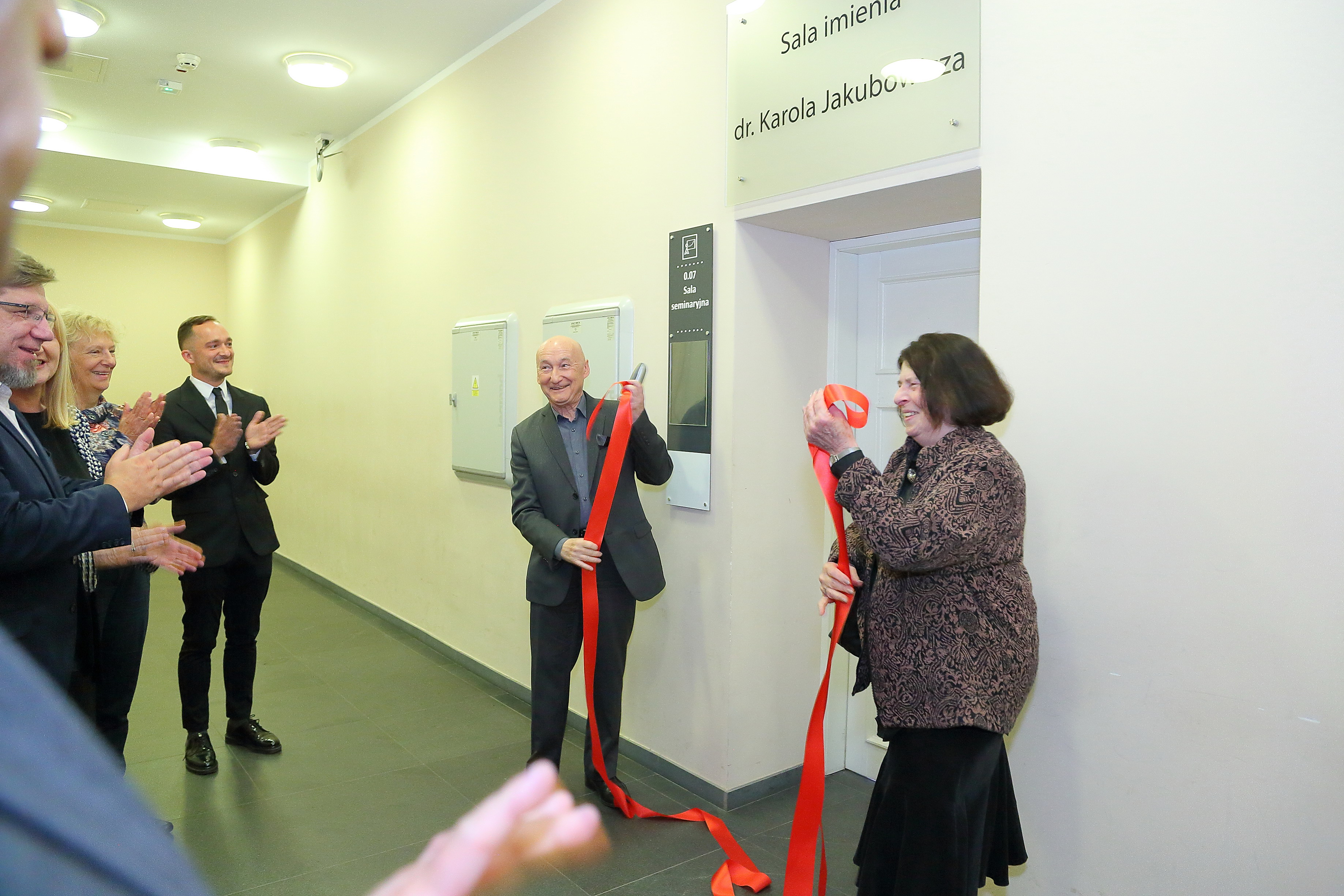
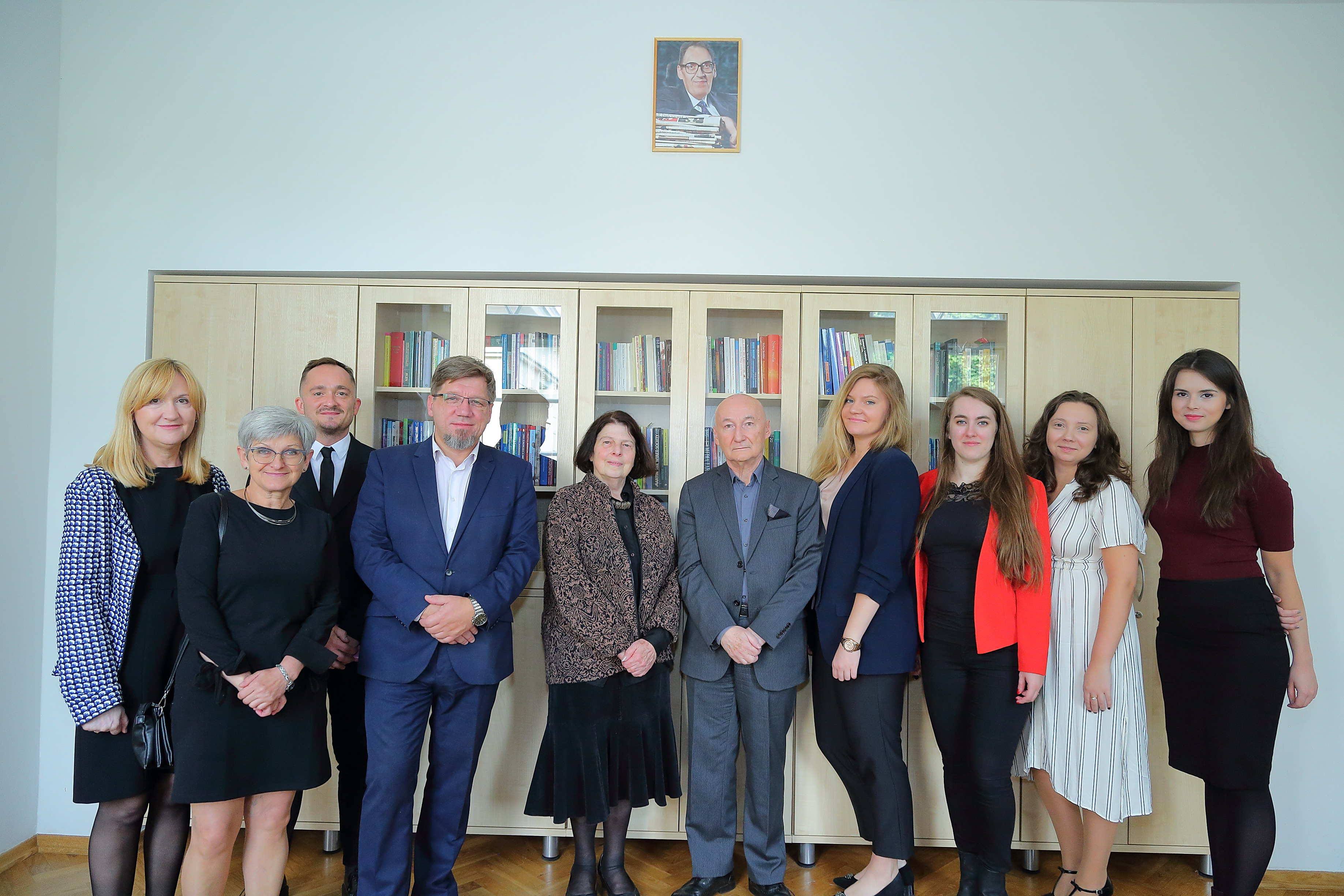
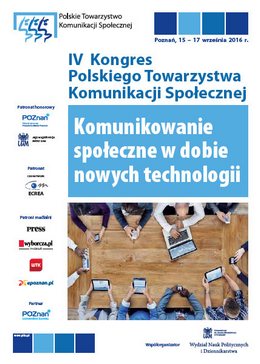
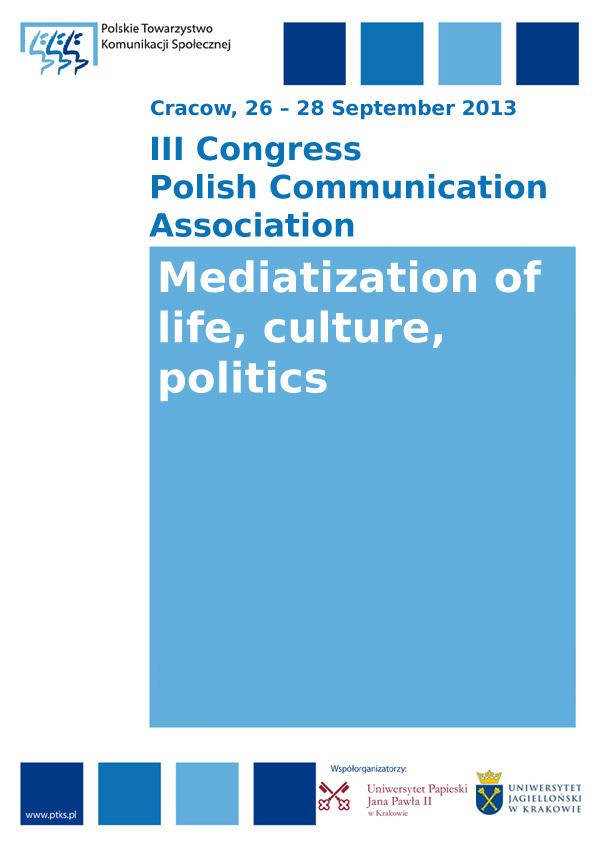


 Media and communication researchers gathered in the city of Lublin for the II Congress of the Polish Communication Association (15-17 September 2010). During the conference panel discussions were held on different aspects of contemporary communication and media studies. Keynote speeches were delivered by international researchers such as Stuart Allan (USA), Aukse Balčytiene (Lithuania), Boyko Boev (United Kingdom), Andy Channelle (United Kingdom), Inta Brikše (Latvia), Daniela Kraus (Austria), Epp Lauk (Estonia), Olaf Steenfadt (Germany), Stephan Russ-Mohl (Switzerland), Wayne Wanta (USA) and David Weaver (USA).